
Top group visit tips for engaging experiences in Hawaii
TL;DR:
- Planning based on group interests and size ensures respectful, engaging, and tailored Hawaii experiences.
- Respectful cultural conduct and choosing sustainable operators deepen meaningful connections with Hawaiian traditions.
- Balanced itineraries with flexible roles and downtime foster authentic group bonding and unforgettable memories.
Top group visit tips for engaging experiences in Hawaii
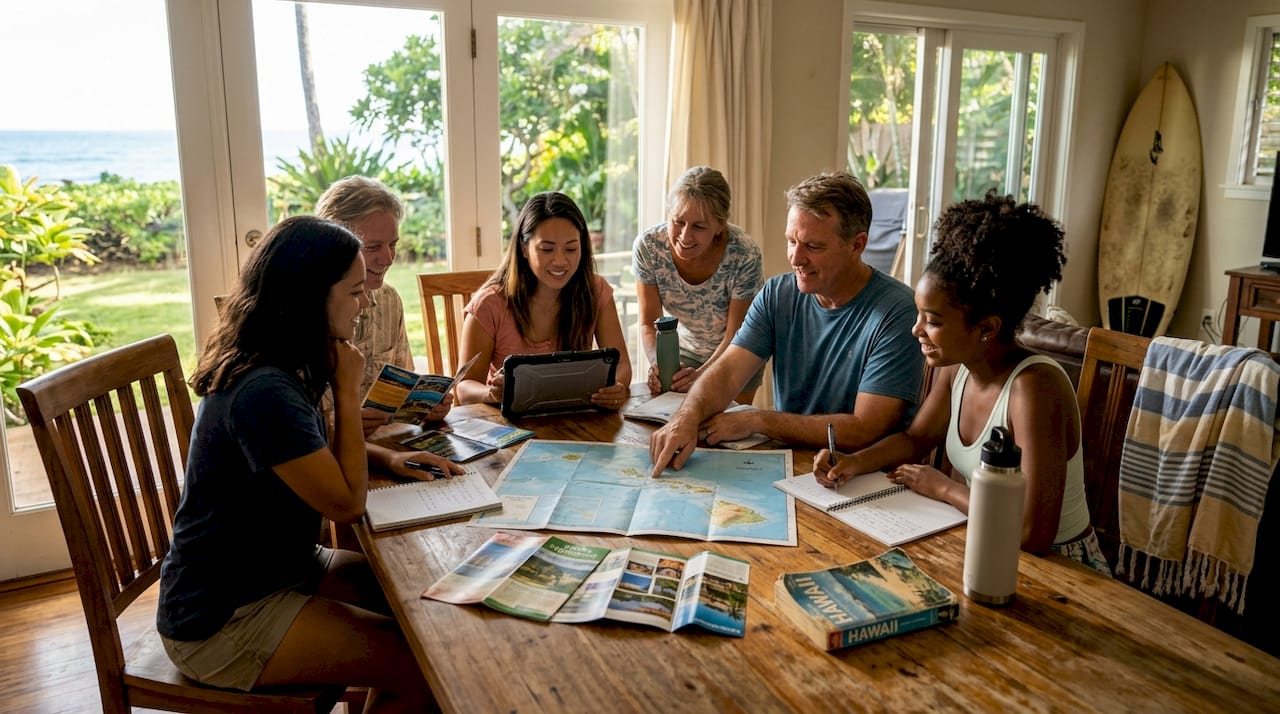
Planning a group trip to Hawai’i sounds like a dream, but the reality can hit fast. Suddenly you’re juggling a dozen opinions, a tight budget, competing schedules, and the very real pressure of not turning paradise into a frustrating logistical nightmare. On top of all that, Hawai’i isn’t just a beautiful destination. It’s a living culture with deep traditions that deserve genuine respect. Whether you’re leading a family reunion, a corporate retreat, or a group of friends, this guide gives you practical, expert-backed strategies to plan smooth, meaningful, and truly unforgettable experiences across the islands. 🌺
Table of Contents
- Understanding group needs and setting priorities
- Respecting local culture and sustainable travel
- Step-by-step group itinerary planning
- Avoiding common mistakes and maximizing engagement
- Essential group visit lessons experts rarely share
- Take your Hawaii group experience further
- Frequently asked questions
Key Takeaways
| Point | Details |
|---|---|
| Prioritize group needs | Clarifying group goals and size early makes planning smoother and avoids misunderstandings. |
| Respect local protocols | Following cultural etiquette and choosing sustainable tours ensures both memorable and responsible travel. |
| Plan in logical steps | Using a step-by-step workflow prevents confusion and makes the most of each day. |
| Maximize engagement | Interactive activities and daily check-ins keep everyone involved and allow for better shared experiences. |
Understanding group needs and setting priorities
Before you book a single thing, the most important step is understanding exactly who is in your group and what they actually want. Skipping this step is the number one reason group trips go sideways. People feel overlooked, compromises pile up, and enthusiasm drops fast.
Start by identifying the core interests of your group. Generally, most Hawaii-bound travelers fall into a few clear categories:
- Culture seekers who want to connect with Hawaiian history, legends, and traditions
- Adventure lovers looking for volcanic hikes, snorkeling, kayaking, and ziplines
- Relaxation hunters who need beach time, sunset dinners, and slow mornings
- Family groups balancing children’s needs with adult interests
Most groups are a mix of all four. That’s totally fine, but you need to know the ratio so you can weight your itinerary accordingly. A group that’s 70% adventure-driven will quickly get restless at a long cultural lecture, just as culture-first travelers may feel drained by back-to-back physical activities.
Once you know your group’s personality, tackle the practical priorities: total budget per person, daily time limits (especially for groups with seniors or young children), and a shortlist of absolute must-see spots. Get these nailed down early using a solid group visit planning workflow so you’re building from a strong foundation rather than guessing.
Group size matters more than most people realize. Small groups of 5-14 unlock access to intimate native-guided tours, secret cultural sites, and personalized attention that large groups simply cannot get. Larger groups, on the other hand, often qualify for reserved seating and bulk pricing discounts, but they trade that personal connection for convenience. Neither option is wrong. It just depends on your group’s priorities.
| Group size | Best for | Tradeoffs |
|---|---|---|
| 5-14 people | Native-led tours, cultural immersion | Higher per-person cost |
| 15-30 people | Shared activities, group discounts | Less personalized experience |
| 30+ people | Reserved venues, corporate events | Logistically complex, less flexibility |
For inspiration on what to actually do together, browse these group activity ideas that cover everything from immersive cultural experiences to outdoor adventures perfect for mixed groups.
Pro Tip: Send a quick poll to your group at least six weeks before the trip. Ask three simple questions: What’s your must-do activity? What’s your budget comfort zone? Are there any mobility or dietary needs we should plan for? You’ll prevent conflicts before they start and make everyone feel included from day one.
Respecting local culture and sustainable travel
Once your group’s priorities are set, it’s vital to plan in a way that honors Hawai’i’s unique cultural and ecological values. This isn’t just good manners. It’s essential for a genuinely meaningful experience.
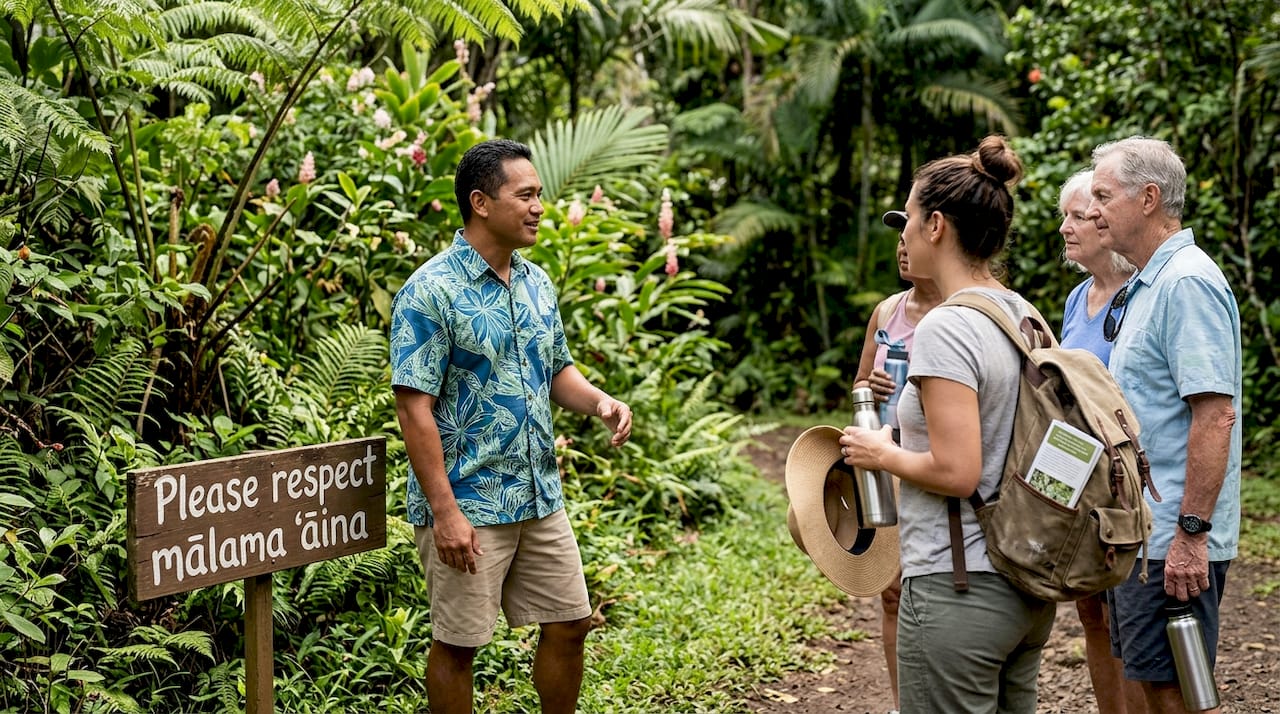
Hawai’i’s culture is still very much alive, and visitors have a real responsibility to engage with it respectfully. Here’s what every group member should know before they arrive:
Do’s:
- Stay on marked trails at all times during hikes and nature visits
- Show quiet reverence at heiau (sacred temples), burial sites, and any culturally significant location
- Use mineral-based, reef-safe sunscreen to protect coral reefs
- Tip your guides 15-20% at sacred spots, especially those offering native-led cultural experiences
- Ask permission before photographing people, ceremonies, or sacred objects
Don’ts:
- Never climb or touch heiau or burial sites. This is not just disrespectful. In many cases, it is illegal under kapu (sacred law) and state regulations
- Don’t remove rocks, sand, or plants from beaches or parks
- Avoid loud behavior at cultural sites or during ceremonial moments
- Don’t treat cultural experiences like theme park entertainment
“Hawaiians share their land, their stories, and their aloha. The least visitors can do is arrive with humility, curiosity, and a willingness to listen.” 🌺
Sustainability also means choosing the right operators. Look for tours and experiences certified by the Sustainable Tourism Association of Hawai’i (STAH). These operators are vetted to provide ethical, low-impact access to sensitive natural and cultural areas. There’s a real difference between a commercial lu’au designed purely for mass tourism and a native-led hike through the forest with a Hawaiian cultural practitioner who shares living traditions. Both can be enjoyable. But only one gives your group a connection to Hawai’i that they’ll genuinely carry home.
Part of preparing for Hawaii attractions is briefing your entire group on these expectations before departure. Don’t assume everyone already knows. A five-minute culture briefing before your first day can prevent awkward moments and real harm to sacred places.
Pro Tip: Pack reef-safe mineral sunscreen for every group member before leaving home. Many popular brands sold at airports and convenience stores in Hawai’i still contain oxybenzone, which is harmful to coral reefs. Bring your own and save the reefs while saving money.
Step-by-step group itinerary planning
With a solid understanding of cultural considerations, you’re ready to tackle the practical nuts and bolts of building your group itinerary. This is where good intentions become a real, workable plan.
Here’s a proven workflow that keeps groups on track without sacrificing fun:
-
Map your days before booking anything. Lay out each day visually, morning to evening. Identify travel time between locations. Groups move slower than solo travelers, so always add at least 30 to 45 minutes of buffer time to every major transition.
-
Book authentic, native-led tours first. These have the most limited availability and the highest demand. Small groups under 14 often get access to experiences that larger groups cannot, so lock these in as early as possible. Think intimate cultural walks, private taro farm visits, or traditional fishing demonstrations.
-
Layer in bigger group-friendly activities second. Immersive theater experiences, beach days, snorkeling tours, and waterfall hikes tend to have more flexibility and can be scheduled after your premium bookings are confirmed. Use smart attraction itinerary planning strategies to avoid clustering too many high-energy activities on the same day.
-
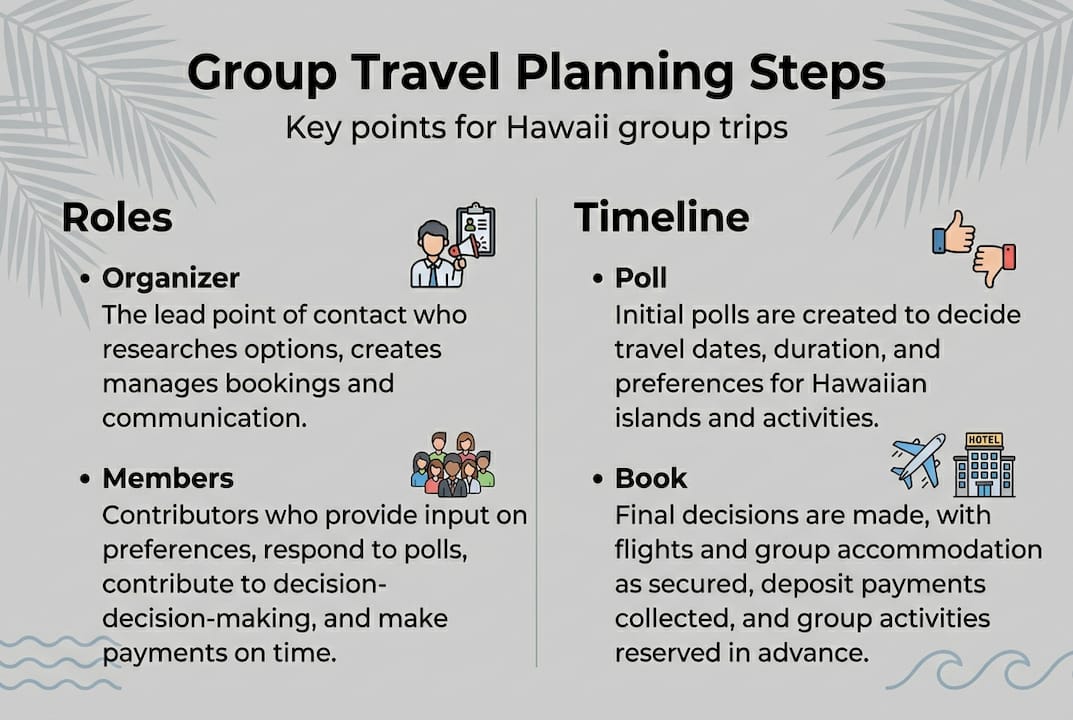
Assign group roles before you arrive. A well-organized group trip needs a navigator (handles directions and transitions), a timekeeper (keeps everyone on schedule), and a photographer (captures shared memories). You can even add a culture ambassador who reminds the group of appropriate etiquette at each location. These roles rotate daily so no one feels burdened.
-
Build in downtime intentionally. This is the mistake most groups make. They pack every hour and end up exhausted and irritable by day three. Schedule at least one open afternoon per three days of travel.
| Planning task | Who handles it | When to do it |
|---|---|---|
| Poll group interests | Trip organizer | 6-8 weeks before |
| Book native-led tours | Trip organizer | 4-6 weeks before |
| Confirm transport | Navigator | 2-3 weeks before |
| Share itinerary with group | Trip organizer | 1 week before |
| Daily role assignments | Rotating group members | Morning of each day |
When it comes to booking Hawaii attractions for groups, always call ahead rather than booking entirely online. Many venues offer group rates or reserved sections that aren’t advertised on their booking pages.
Pro Tip: Create a shared group chat or app channel specifically for the trip. Use it for real-time updates like parking changes, timing shifts, and last-minute additions. Apps like GroupMe or WhatsApp work great and keep everyone informed without flooding personal inboxes.
Avoiding common mistakes and maximizing engagement
With a solid plan in place, let’s make sure your group avoids the most common missteps and truly connects during your Hawaiian journey. Even the best-planned trips can fall apart if a few key pitfalls go unchecked.
Common mistakes to avoid:
- Overbooking activities. More is not better in Hawaii. Rushing from one activity to the next means your group never fully absorbs any experience. Quality beats quantity every single time.
- Ignoring cultural etiquette briefings. Assuming your group already knows to respect sacred sites and stay on trails is a risky assumption. Make it explicit.
- No contingency planning. Weather changes, ferries cancel, and sites close unexpectedly. Always have a backup activity for each major day.
- Splitting up without a plan. Large groups that divide without designated meeting points and check-in times create unnecessary stress.
- Neglecting personal downtime. Group energy is infectious and exhausting. Build in windows where individuals can recharge on their own terms.
Engagement boosters that actually work:
- Interactive group challenges. Set a daily photo scavenger hunt tied to Hawaiian culture, like finding a specific plant, spotting a traditional canoe, or photographing a Hawaiian mural. It gets everyone moving and observing.
- Storytelling evenings. At the end of each day, gather for 20 minutes and have two or three group members share their favorite moment. These conversations deepen bonds and create shared narratives that last long after the trip.
- Group learning moments. Ask your native guides if they’d be willing to teach a Hawaiian word or phrase each morning. Simple vocabulary like mahalo (thank you) or aloha (love/hello/goodbye) creates connection and shows respect.
For families, there are some especially practical family attraction tips that help balance adult experiences with kid-friendly fun. And if your group wants to visit multiple sites in one region, smart strategies for combining Hawaii attractions will save both time and energy.
Pro Tip: Schedule a five-minute group debrief at the end of each evening. Ask two questions: What was today’s highlight? What do we want to adjust for tomorrow? This keeps the plan flexible and makes everyone feel heard, which is everything when you’re managing diverse group expectations.
Essential group visit lessons experts rarely share
Having reviewed the mistakes and the engagement strategies, it’s worth stepping back for a deeper look at what truly makes group trips to Hawai’i remarkable. And honestly, the real secret rarely shows up in any planning checklist. 🌌
Most groups focus almost entirely on logistics and activities, which makes sense. But the trips that people talk about for years afterward are the ones where something unexpected happened. A conversation with a local elder. A spontaneous moment at a waterfall. A quiet sunset where nobody said a word but everyone felt it deeply.
True group satisfaction comes from balancing cultural authenticity with efficiency. You need structure to prevent chaos, but you also need breathing room for genuine connection to happen. The best group leaders know when to stick to the plan and when to let the plan go.
Another thing experts rarely say out loud: most groups neglect relationship-building during the trip itself. Everyone is so busy experiencing Hawai’i that they forget to experience it together. Shared stories, shared laughter, and shared moments of learning are what create lifelong memories, not just a packed itinerary.
For deeper perspective on how to make this magic happen, explore these essential Hawaiian attraction tips that go beyond the surface-level advice and get into the heart of what makes a visit truly transformative.
Memorable trips come from blending structure with space. Plan with intention. Then breathe, look around, and let Hawai’i do the rest.
Take your Hawaii group experience further
You’ve got the strategy, the cultural awareness, and the planning framework. Now it’s time to find an experience that brings it all together for your group in the most unforgettable way possible.
Flight of Aloha in Kailua-Kona is exactly the kind of experience that works beautifully for groups of all sizes and interests. Imagine soaring over breathtaking Hawaiian landscapes in an immersive flying theater that blends 8K visuals, motion, real scents, and wind. It’s like a helicopter tour and a Disney adventure had a baby rooted in the spirit of aloha. Cultural storytelling, Hawaiian legends, and pure wonder wrapped into one powerful group moment. For more help choosing the right stops for your visit, check out these tips on booking local attractions and make every day of your trip count. 🌺
Frequently asked questions
How big should a group be for tours in Hawaii?
Groups of 5-14 allow for intimate experiences and access to native-guided cultural tours, while larger groups may qualify for discounts but receive less personalized attention and fewer exclusive access opportunities.
What cultural etiquette should visitors follow during group activities?
Stay on marked trails, use mineral sunscreen to protect the reefs, show quiet reverence at sacred sites, and tip your guides 15-20% to honor their expertise and cultural knowledge.
What’s the benefit of booking sustainable operators in Hawaii?
STAH-certified operators ensure ethical, low-impact access to sensitive natural and cultural areas, providing more authentic experiences that genuinely respect Hawaiian traditions.
How can groups keep their itinerary flexible but organized?
Assign rotating group roles like navigator and timekeeper, use a shared group chat for real-time updates, and always build 30-45 minutes of buffer time into each daily transition so unexpected moments don’t derail the whole plan.
Recommended
- Group Visit Workflow Hawaii: Complete Experience Guide | Flight Of Aloha
- How To Combine Attractions For A Unique Hawaiian Adventure | Flight Of Aloha
- How To Plan Attraction Itinerary For Hawaiian Experiences | Flight Of Aloha
- How To Enhance Family Outings For Memorable Hawaiian Adventures | Flight Of Aloha