
Theme parks vs. flying theaters: Hawaii’s immersive showdown
TL;DR:
- Flying theaters offer immersive, gentle sensory experiences centered on storytelling rather than physical rides.
- They provide culturally authentic Hawaiian narratives, deepening emotional connections with the land and legends.
- Ideal for family groups, flying theaters are accessible, indoor, and ideal for quick, impactful visits.
Many families arriving in Hawai’i assume that a flying theater is just another theme park attraction, something like a simulator tucked inside a bigger resort. That assumption leads them to skip one of the most genuinely moving experiences on the island. Flying theaters and theme parks are built on different foundations, they deliver different emotions, and they serve different moments in your trip. This guide breaks down exactly what sets them apart, explains why Hawai’i’s version of the flying theater is something special, and helps you decide which experience fits your family best. 🌺
Table of Contents
- Understanding theme parks: Classic thrills and evolving experiences
- Flying theaters explained: Technology, sensation, and storytelling
- Side-by-side: The core differences between theme parks and flying theaters
- Experience Hawaii: How flying theaters reimagine cultural attractions
- Our take: Why families in Hawaii benefit most from flying theaters
- Discover flying theater adventures with Flight of Aloha
- Frequently asked questions
Key Takeaways
| Point | Details |
|---|---|
| Immersion levels | Flying theaters use motion, screens, and effects to offer a unique sense of flight unlike traditional theme park rides. |
| Family accessibility | Flying theaters are suitable for all ages, making them a perfect choice for multigenerational groups. |
| Cultural connection | Hawaii’s flying theaters uniquely showcase local stories and landscapes for an authentic experience. |
| Replay value | Swappable films mean flying theaters provide fresh experiences on each visit. |
| Choosing wisely | Understanding these attractions helps families pick the best entertainment for their Hawaii trip. |
Understanding theme parks: Classic thrills and evolving experiences
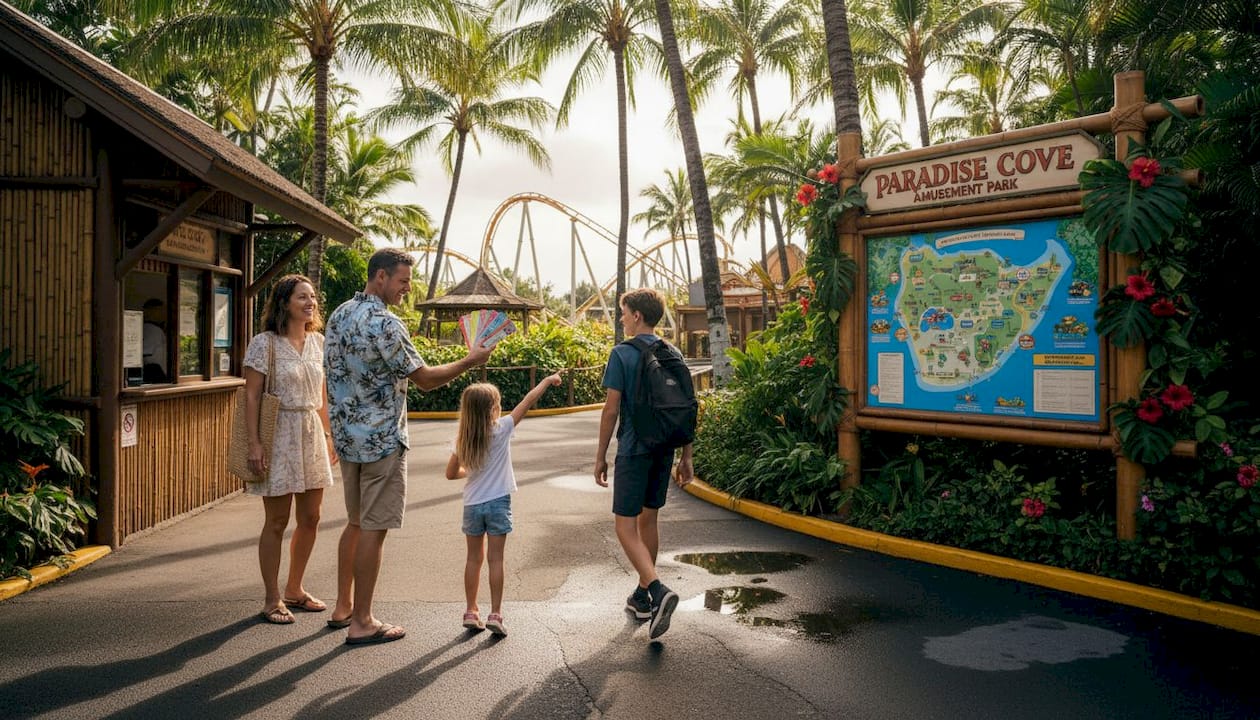
Theme parks have been shaping family vacations for decades. At their core, they are multi-ride entertainment venues built around a unifying story, character universe, or concept. You walk through a gate and you enter a world. Everything around you, from the architecture to the food stands, reinforces a theme.
Here’s what you’ll typically find inside a theme park:
- Physical roller coasters and thrill rides that use speed, height, and gravity
- Walk-through experiences like haunted houses or character meet-and-greets
- Live shows ranging from stunt performances to Broadway-style productions
- Simulator attractions that combine motion seats with screen visuals
- Themed dining and merchandise that extend the story beyond the rides
The experience is broad by design. A family with a five-year-old and a sixteen-year-old can split up, hit different attractions, and reunite for lunch. That flexibility is a big draw.
Theme parks are also evolving fast. Theme park attraction history shows that physical rides and large-scale themed environments have increasingly been blended with screen-based technology. Think Star Wars: Galaxy’s Edge or the immersive lands at Universal. The lines between “classic park” and “immersive experience” are blurring.
In Hawai’i, the theme park landscape looks a little different. The island context shifts priorities. Visitors care deeply about local culture, natural beauty, and authenticity. You won’t find a sprawling 500-acre mega-park on the Big Island, but you will find experiences that honor the land and its stories. That’s exactly where ride film experiences step in as a compelling alternative.
“The best attractions don’t just entertain, they make you feel something real about the place you’re visiting.” That’s the standard Hawai’i holds its experiences to.
One key distinction worth noting early: theme parks rely heavily on physical set design to create immersion. The environment itself does the storytelling. Flying theaters, on the other hand, use screen-based immersion layered with sensory effects. Neither is objectively better. They just work differently, and knowing that helps you plan smarter.
Flying theaters explained: Technology, sensation, and storytelling
A flying theater is not a simulator in the traditional sense. Flying theaters are simulator attractions that use motion platforms, giant panoramic screens, and synchronized sensory effects to create the convincing illusion of flight. Your seat lifts, tilts, and sways while a massive curved screen fills your entire field of vision.
Here’s a quick breakdown of how the technology layers together:
| Element | What it does |
|---|---|
| Motion platform | Tilts and sways your seat in sync with on-screen movement |
| Panoramic screen | Wraps around your view to eliminate peripheral distractions |
| Wind effects | Blows air across your face as you “fly” over landscapes |
| Scent delivery | Releases aromas like ocean mist, tropical flowers, or rain |
| Spatial audio | Surrounds you with sound from every direction |
Flying theaters trace their roots to Disney’s Soarin’ attraction, which opened at EPCOT and quickly became one of the most beloved rides in theme park history. Since then, the concept has grown exponentially. Mechanical breakthroughs continue to address limitations in synchronous movement and capacity, making flying theaters more accessible and scalable than ever before.
One huge advantage: flying theaters are genuinely family friendly. There are no intense drops or sudden jolts. The motion is gentle and deliberate. This means grandparents, toddlers, and everyone in between can ride together without anxiety.
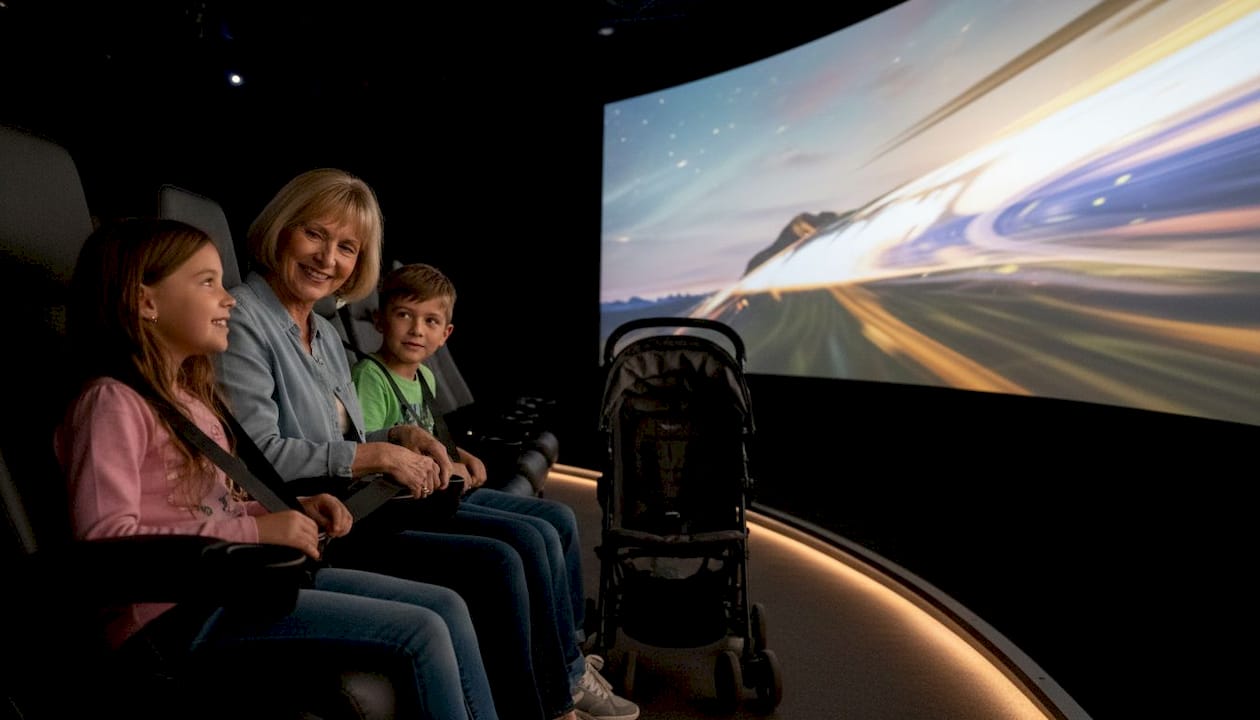
Pro Tip: If your family includes anyone with mobility limitations or motion sensitivity, look for flying theaters that clearly describe their motion intensity. Most are far gentler than traditional coasters, and some offer stationary seating options.
What makes flying theater technology especially powerful is its storytelling flexibility. A theme park ride tells one fixed story. A flying theater can swap its film, meaning the same venue can showcase a legend about ancient Hawaiian voyagers one season and a dramatic volcanic eruption journey the next. For families revisiting Hawai’i, that replay value is genuinely exciting. Learning more about what a flying theater experience involves helps set the right expectations before you arrive, and why kids love flying theaters comes down to that perfect blend of wonder and comfort.
Side-by-side: The core differences between theme parks and flying theaters
Let’s get clear on the real distinctions so you can make the best call for your family’s itinerary. 🌌
| Feature | Theme park | Flying theater |
|---|---|---|
| Primary immersion method | Physical environment and rides | Screen, motion, and 4D sensory effects |
| Age accessibility | Varies widely by ride | Broadly accessible for all ages |
| Physical intensity | Can be very high | Low to moderate |
| Storytelling flexibility | Fixed themed worlds | Swappable films and narratives |
| Time commitment | Full day or multi-day | 30 to 60 minutes per session |
| Indoor/outdoor | Mix of both | Fully indoor, weather-proof |
| Replay value | High (many attractions) | High (rotating content) |
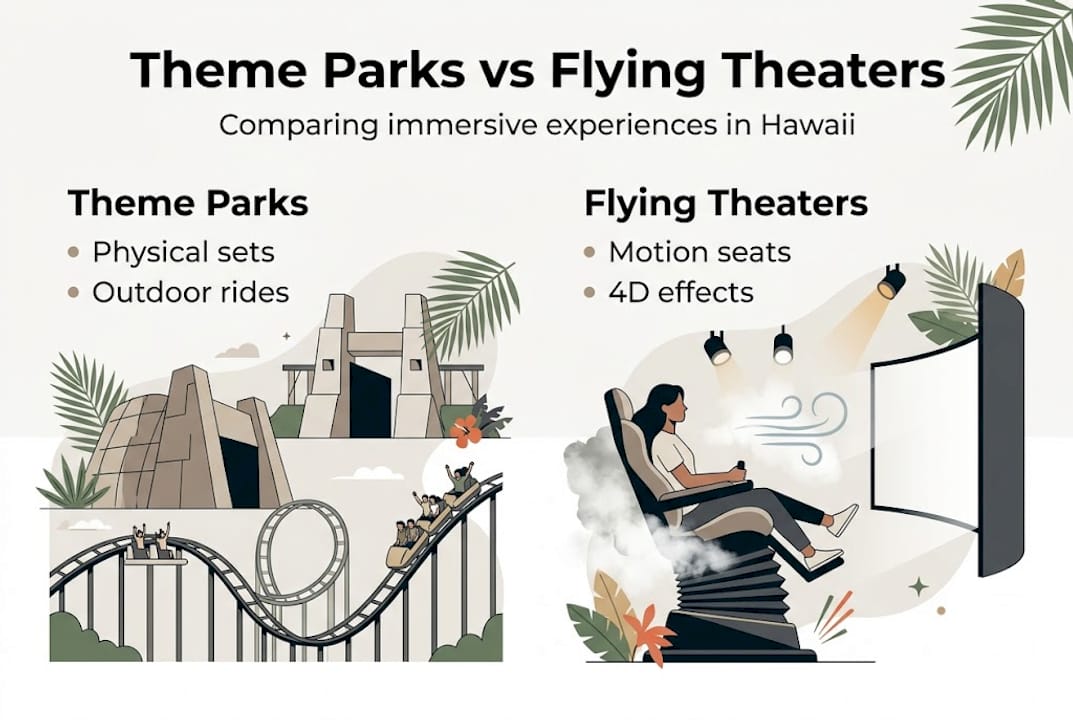
Flying theaters boost repeat visits through swappable films and offer accessibility for guests of all ages, two advantages that traditional theme parks can’t always match on both fronts simultaneously.
Here’s when to choose a theme park:
- You have a full day or more to dedicate to one venue
- Your group has mixed thrill levels and wants variety
- You love the feeling of walking through a physical story world
- Your kids are old enough for height and intensity requirements
Here’s when to choose a flying theater:
- You have two to three hours and want a powerful, focused experience
- Your group includes very young children, seniors, or guests with mobility needs
- You want authentic Hawaiian storytelling, not just entertainment
- It’s raining or extremely hot and you want a fully indoor adventure
Some prefer shared immersion of screen-based experiences, while others feel physical rides carry a deeper “soul.” Both perspectives are valid, and honestly, the best Hawaii trip includes a taste of each.
If you’re weighing your options more broadly, comparing helicopter tours vs flying theaters is another great exercise, and understanding the benefits of flying theaters for visitors gives you an even fuller picture.
Experience Hawaii: How flying theaters reimagine cultural attractions
Hawai’i is not just a backdrop. It’s a living culture with stories that stretch back thousands of years. That’s what makes flying theaters here so different from anything you’d find on the mainland. When the film centers on a Hawaiian legend, narrated in the Hawaiian language with imagery pulled from real landscapes, it hits differently. 🌺
Hawaiian-specific cultural films create emotional resonance and family appeal that generic scenic flights simply cannot match. You’re not just sightseeing. You’re being invited into a story.
Here’s how to get the most from a flying theater experience in Hawai’i:
- Research the film before you go. Knowing the legend or story behind the film deepens your emotional connection during the experience.
- Pair it with an outdoor adventure. Seeing Waipio Valley from the air in a flying theater and then hiking its trails creates a powerful double impression.
- Go during midday when outdoor spots are crowded. Flying theaters are indoors and perfectly timed for peak sun hours.
- Bring the whole family. There are no height restrictions and no scary drops. Grandma and the toddler can sit together.
- Stay for the post-experience conversation. Many families find that the cultural themes spark real questions and discussions, especially for kids.
Pro Tip: Pairing immersive flying experiences with real outdoor tours is one of the best ways to deepen your cultural understanding of the island. See it from the air in the theater, then walk the same ground outside. The combination of flying theaters with outdoor tours creates memories that stick long after you’ve flown home.
The storytelling benefits for families are well documented, ranging from stronger emotional bonds to improved cultural empathy in children. Flying theaters tap into all of that in a way that a thrill ride simply cannot.
Our take: Why families in Hawaii benefit most from flying theaters
Here’s something most travel guides won’t tell you: the families who leave Hawai’i with the deepest sense of connection are rarely the ones who packed in the most rides. They’re the ones who paused long enough to actually feel the place.
Flying theaters, at their best, create that pause. The gentle motion, the sweeping visuals, the scent of plumeria or ocean salt, these aren’t just gimmicks. They’re designed to lower your guard and let the story in.
For multigenerational families especially, flying theaters solve a real problem. Not every family member can handle a high-intensity coaster, and nobody wants to split up for the whole day. A flying theater brings everyone together in the same seat, at the same moment, sharing the same awe.
We’ve seen it firsthand: the attraction that guests mention most when they talk about their Kona trip isn’t always the most intense one. It’s the one that made them feel something true. That’s why locals love flying theaters as much as visitors do. It’s an experience rooted in real Aloha.
Discover flying theater adventures with Flight of Aloha
Ready to put what you’ve learned into action? Flight of Aloha in Kailua-Kona is exactly the kind of experience this article has been building toward.

Flight of Aloha blends 8K visuals, motion effects, wind, and scent into a one-of-a-kind flying theater experience rooted in authentic Hawaiian culture. Think of it as what you’d get if a helicopter tour and a Disney ride had a baby, and that baby grew up steeped in Aloha. From the legend of Naupaka to the story of Lahaina, every film is crafted with cultural respect and breathtaking beauty. Explore the full 2026 Hawaii flying theater experience and book your adventure today. Your whole family will thank you. 🌺
Frequently asked questions
What makes a flying theater different from a typical simulator ride?
Flying theaters combine suspended seating with synchronized motion, giant panoramic screens, and real 4D effects like wind and mist to simulate full flight, making them far more immersive than basic simulators that rely mainly on video and vibration.
Are flying theaters suitable for young children and older adults?
Absolutely. Flying theaters are designed for broad age range accessibility and involve gentle motion rather than intense drops, making them one of the most inclusive entertainment options available for families.
Do flying theaters in Hawaii feature local cultural stories?
Many do, and it makes a big difference. Cultural films boost emotional resonance far beyond what generic scenic flights deliver, especially when Hawaiian language and legends are woven into the narrative.
Are flying theaters thrilling, or better for relaxing experiences?
Flying theaters prioritize sensory experience over intense motion, so they feel captivating and exciting without being overwhelming, a perfect balance for guests who want wonder without anxiety.
Can I experience new content each time on a flying theater?
Yes! Flying theaters boost repeat visits through swappable content, so you can return to the same venue and enjoy a completely different film, story, or Hawaiian landscape on your next trip.