
What Is Flight of Aloha? Kona’s Immersive Flying Theater
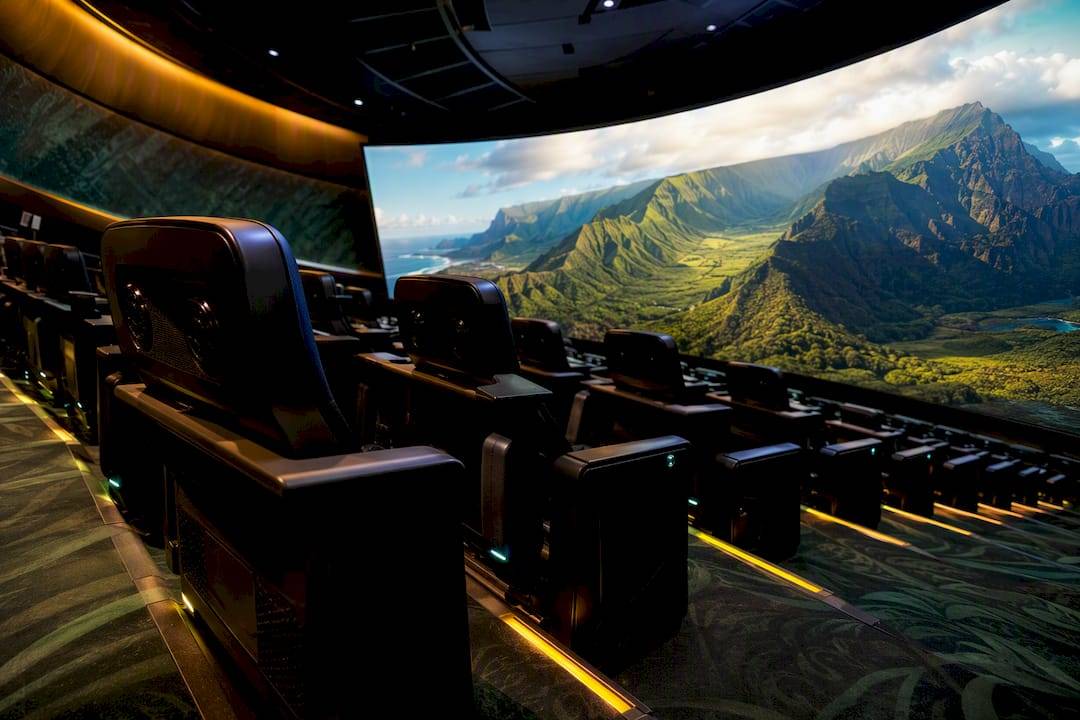
Flight of Aloha is an immersive flying theater attraction that puts you in a motion seat, wraps you in an 8K screen, and simulates soaring over Hawaiian landscapes with real wind, mist, and scent. You’ll find it in Kailua-Kona and at Whalers Village in Kaanapali, Maui, and it’s built for families, cruise visitors, and anyone who wants aerial thrills without the cost or risk of an actual helicopter ride.
TL;DR:
- The attraction uses a large 8K wraparound screen and synchronized motion seats to simulate flight with visual, wind, mist, and scent effects.
- It offers culturally themed films rooted in Hawaiian legends, providing an immersive experience suitable for families, cruise visitors, and locals.
- Unlike helicopter tours, it is more reliable, cost-effective, and accessible, especially during weather disruptions or for motion-sensitive guests.
- Sessions last about 30 minutes, with options for single or double feature tickets, and are conveniently located near cruise docks and resorts.
- Future content development will focus on new Hawaiian stories and legends, maintaining the existing high-quality hardware and storytelling approach.
What the Experience Is Like: Technology and Sensory Details
Step inside and the first thing you notice is the screen. Flight of Aloha wraps guests in 8K visuals across a 160-degree curved display, so the footage fills your peripheral vision instead of sitting flat in front of you. That’s the trick behind the “flying” sensation. Your body doesn’t just watch the coastline scroll by, it feels like it’s banking over it.
The seats do a lot of the heavy lifting here. Flight of Aloha partnered with MediaMation, a company known for motion theater systems, to install MX4D Bantam seating that pitches, tilts, and rumbles in sync with the footage. Add wind machines, fine mist, and timed scent bursts (think plumeria on a Kona coastline flyover, or ocean spray during a whale scene), and the whole thing stops feeling like a movie and starts feeling like a ride.
- 8K footage on a 160-degree wraparound screen
- MX4D-style motion seats synced frame by frame with the visuals
- Wind, mist, and scent effects timed to specific moments in each film
- The show lasts approximately half an hour, with options for one or two feature films
The Kona venue reported roughly 18 seats packed into a 1,000-square-foot theater, which keeps the experience intimate rather than stadium-sized. The films themselves aren’t generic nature reels. “Naupaka” and “Lahaina” pull from Hawaiian legend and place, while “Whale Song” follows humpback migration through island waters, giving each flight a story instead of just scenery.
Who It’s Best For and When to Visit
Flight of Aloha fits almost anyone who wants a big Hawaii moment without a big commitment of time or money. It’s especially strong for three groups.
- Families with young or older kids who want a thrill that doesn’t require a car seat, a boat, or a waiver for extreme activity
- Cruise passengers on a tight shore excursion window, since the Kona location sits within easy walking distance of the local cruise ship tender dock in Kailua Pier
- Kama’āina and repeat visitors looking for something new that still feels rooted in home
It also solves a problem every Kona and Kaanapali visitor eventually runs into: what to do when the weather turns or the vog rolls in. A 30-minute show in an air-conditioned theater beats standing under an umbrella waiting out a squall, and it works just as well as a heat break in the middle of a hot beach day.
Pro Tip: If you’re on a cruise ship tender schedule, book the earliest showtime you can. A 30-minute film leaves plenty of buffer to grab shave ice or wander the pier before your tender back to the ship.
Why It’s a Smarter Alternative to a Helicopter Tour
A helicopter tour gives you real altitude and real wind through a real cabin window. It also comes with a real price tag, often north of $400 a person, plus the kind of weather cancellations and motion sickness risk that can wreck an afternoon. Flight of Aloha was built to deliver the aerial thrill without those tradeoffs.
- Cost. A single ride here runs a fraction of a helicopter charter, which matters when you’re pricing out a family of four or five.
- Reliability. Rain, wind, and vog don’t ground a flying theater. Helicopter tours get scrubbed or delayed constantly during Hawaii’s wetter months.
- Comfort. There’s no boarding process, no headset briefing, no actual altitude. Guests prone to motion sickness or anxious about small aircraft can enjoy the same sweeping views from a seat that never actually leaves the ground.
- When a helicopter still wins. If you specifically want real aerial photography of your own or a private charter over a remote valley, a helicopter is still the right tool. For everyone else chasing the feeling of flight, Flight of Aloha delivers it for less money and zero risk. Our helicopter tour versus simulation ride comparison breaks the tradeoffs down in more detail.
Booking, Ticket Types, and Location Logistics
You can book Flight of Aloha online in advance or walk up at the door, but if you’re arriving by cruise ship, book ahead. Tender schedules are tight, and a reserved seat guarantees you’re not stuck waiting for the next showtime while your ship’s departure clock ticks down.
Ticket options generally include:
- Single feature tickets for one 30-minute film
- Double feature bundles for guests who want two stories back to back
- VIP packages with priority seating and add-on perks
- Annual passes for local residents who want repeat visits at a lower per-visit cost
The Kona location sits near the King Kamehameha Kona Beach Resort, close enough to the Kailua Pier tender dock that cruise passengers can walk over, catch a show, and walk back without needing a rental car or rideshare. The Maui location operates out of Whalers Village in Kaanapali, putting it in the middle of the resort corridor most Maui visitors already frequent. Guests planning a full day around either stop should check our step-by-step flight attraction guide for Hawaii tourists for timing suggestions that pair well with nearby shopping and dining.
Accessibility and Motion Sickness Guidance
Flight of Aloha was designed with a wide range of guests in mind, not just thrill seekers. Seating accommodates mobility needs, and staff on-site can help place guests who need extra space or a specific seat position.
- Accessible seating arrangements for guests with mobility limitations
- Motion intensity tuned to feel exciting without becoming disorienting
- Staff on hand to answer questions before you sit down
One detail worth knowing: designers intentionally slowed certain aerial sequences after learning that extreme drone-style camera moves can trigger motion sickness in sensitive riders. That pacing choice is part of why the experience tends to feel smoother than a typical simulator ride.
Pro Tip: If you’re pregnant, prone to severe vertigo, or managing a vestibular condition, call ahead or ask staff on arrival. Most guests handle the motion easily, but it’s worth a quick check for anyone with a known sensitivity.
What Microsoft Flight Simulator Means in This Guide
If you’ve searched “what is Microsoft Flight Simulator” while planning a Hawaii trip, it’s worth a quick clarification: that name refers to a realistic PC and console flight simulation game, not what you’ll find here. This guide covers Flight of Aloha, Hawaii’s immersive flying theater attraction, which delivers a comparable sense of soaring flight through motion seats, wraparound screens, and sensory effects rather than a desktop cockpit simulator. Where the video game asks you to master instrument panels and flight physics from a chair at home, Flight of Aloha asks nothing of you except to sit back and let the ride do the work.
The two share a theme (the thrill of flight) but almost nothing else. One is a hobbyist software product for aviation enthusiasts. The other is a walk-in Hawaii attraction built around Hawaiian storytelling, cultural films like “Lahaina” and “Naupaka,” and a 30-minute show designed for tourists, families, and cruise passengers with zero technical setup required.
Platforms You Can Actually Access It On
There’s no download, no console, and no system requirements to worry about here. Flight of Aloha’s “platform” is the physical theater itself: a fixed installation with an 8K wraparound screen and MX4D motion seating that you experience in person at two locations, Kailua-Kona and Whalers Village in Kaanapali. That’s a deliberate contrast to software-based flight simulation, which demands a capable gaming PC or current-generation console to run smoothly.
For visitors, that means the only “requirement” is showing up. No app to install, no controller to learn, no graphics card to upgrade. You buy a ticket, take a seat, and the theater’s own hardware, the screen, the seats, the scent and wind systems, does everything else. It’s part of why Flight of Aloha bills itself as the most accessible attraction in Hawaii: there’s no learning curve and no tech barrier between you and the experience.
How the Ride Simulates Weather, Motion, and Flight
Instead of programmable weather systems and selectable aircraft models, Flight of Aloha builds its sense of flight through pre-produced 8K footage synced precisely to motion seats and environmental effects. When the film shows you banking over a Kona coastline or drifting through a valley in “Naupaka,” the seat tilts and the wind machine kicks in at that exact frame, layering physical sensation onto the visual.
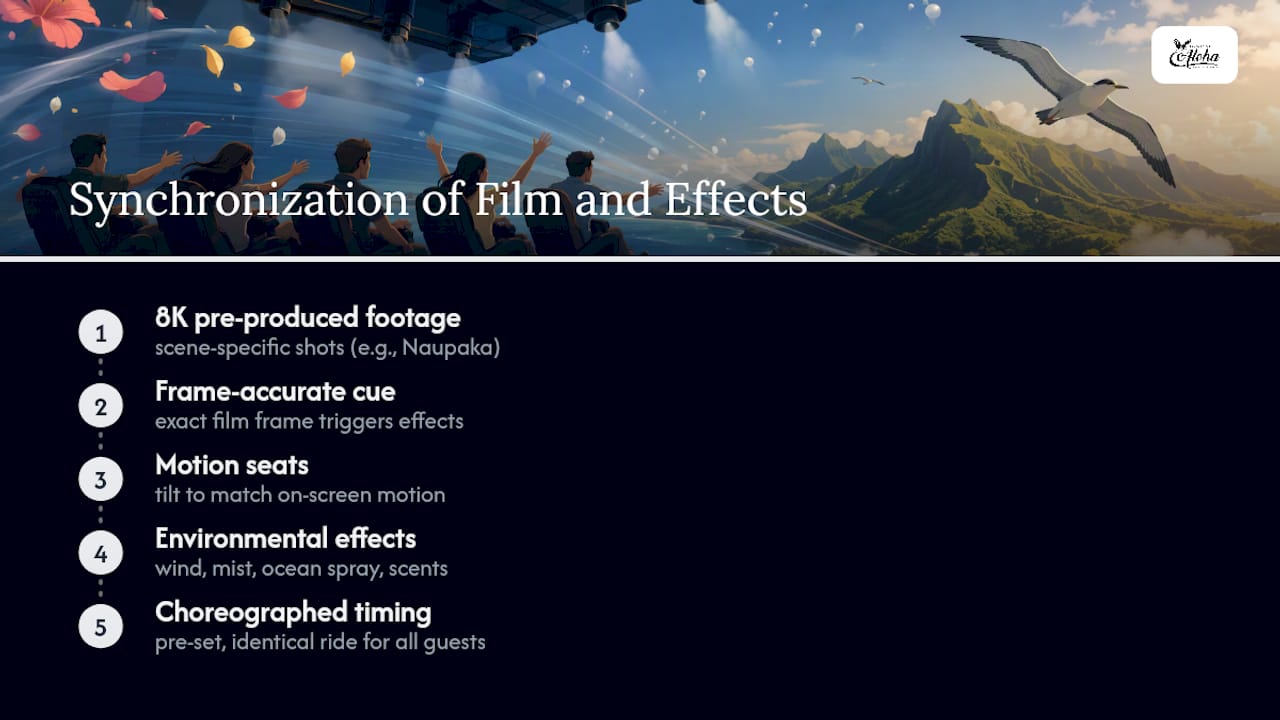
That synchronization, powered by MediaMation’s motion theater technology, is what separates this from watching a nature documentary on a big screen. Mist arrives with ocean spray shots. Scent cues shift from tropical florals to sea salt depending on the scene. The “flight physics” here aren’t calculated in real time. They’re choreographed in advance, which means every guest gets the same polished, carefully paced ride rather than a variable experience shaped by user input.
Group Visits and Shared Experiences
Flight of Aloha isn’t a solo headset experience. Every show seats a small group together in the same theater, watching and feeling the same film at the same time. With around 18 seats in the Kona location, it plays more like a shared cultural screening than an individual ride, which makes it a natural fit for families, tour groups, and cruise excursion parties who want to experience the story together and talk about it afterward.
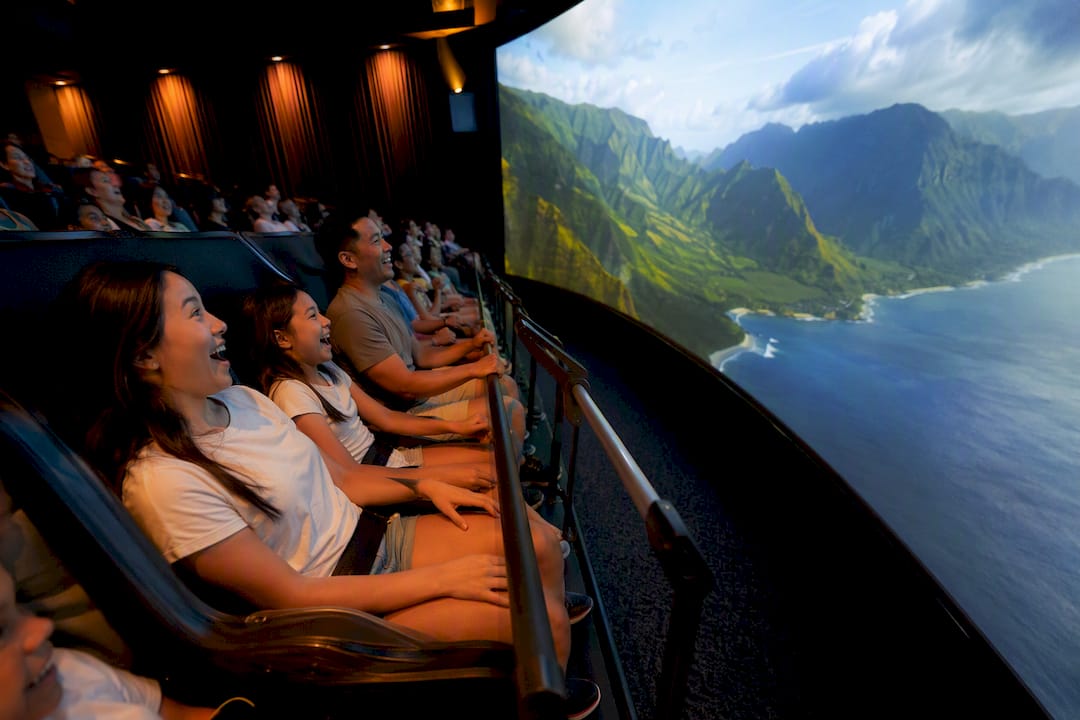
That shared format also supports the venue’s cultural mission. Films rooted in Hawaiian legend land differently when you’re watching them with your kids or your whole extended family than they would through an individual screen. Local coverage has described the attraction as suitable for both first-time tourists and longtime residents, and group viewing is a big part of why it resonates with both audiences at once. If you’re weighing this against other immersive options, our roundup of experiences like helicopter rides in Hawaii covers how group-friendly formats like this stack up.
What’s Next for the Attraction
Flight of Aloha has continued adding new cultural films since its Kona opening, with titles like “Whale Song” expanding the lineup beyond the original launch films. The Kaanapali location at Whalers Village extends the concept to Maui, giving visitors on both islands access to the same style of storytelling.
Expect the growth pattern here to keep favoring content over hardware. Rather than iterative software patches or expansion packs, future development looks like new films rooted in different legends, different coastlines, and different chapters of Hawaiian history, each one built for the same 8K wraparound screen and motion seat setup already in place. For a preview of what a first-time visit involves, our guide to immersive flight adventures in Hawaii walks through what to expect scene by scene.
The Story Behind Flight of Aloha
Founder Ola Shaw, who is Native Hawaiian, built Flight of Aloha out of something more personal than a business plan. The idea grew from family trip experiences and a desire to create a cultural tribute rather than just another tourist ride, and that intent shows up in every film choice, from “Lahaina” to “Naupaka.”
The project was originally headed toward a different path on Maui, but the 2023 Lahaina wildfires reshaped those plans, and the team refocused its launch energy on Kona instead. That pivot wasn’t just logistical. It reflected a broader commitment to telling Hawaiian stories with care during a moment when the islands needed both resilience and remembrance. Guests who walk out of the theater often describe feeling more connected to the land and its legends than they expected from what sounds, on paper, like a ride.
— Ola
Book Your Seat at Flight of Aloha
Everything covered here, the 8K screen, the motion seats, the wind and scent effects, the Hawaiian storytelling, comes down to one simple fact: Flight of Aloha is the most accessible attraction in Hawaii for the aerial thrill you’re after. No helicopter waiver, no $400 charge, no weather cancellation risk. Just a 30-minute show, within easy walking distance of the local cruise ship tender dock in Kailua Pier in Kona or right in the middle of Whalers Village in Kaanapali, Maui.

Whether you’re filling a rainy afternoon, escaping the heat and vog, or squeezing a shore excursion into a short port call, this Native Hawaiian owned attraction fits the moment better than a pricier, weather-dependent alternative. Check showtimes and reserve tickets on the official Flight of Aloha site before you finalize your Kona or Maui itinerary. Book online to secure your seat.
Sources
- Business Monday: Immerse yourself in Hawai‘i’s landscapes through Flight of Aloha theater : Big Island Now
- Immersive 8K visual storytelling experience to open in Kona – Hawaii News Now