
Best Examples of Multisensory Rides for Families 🌺
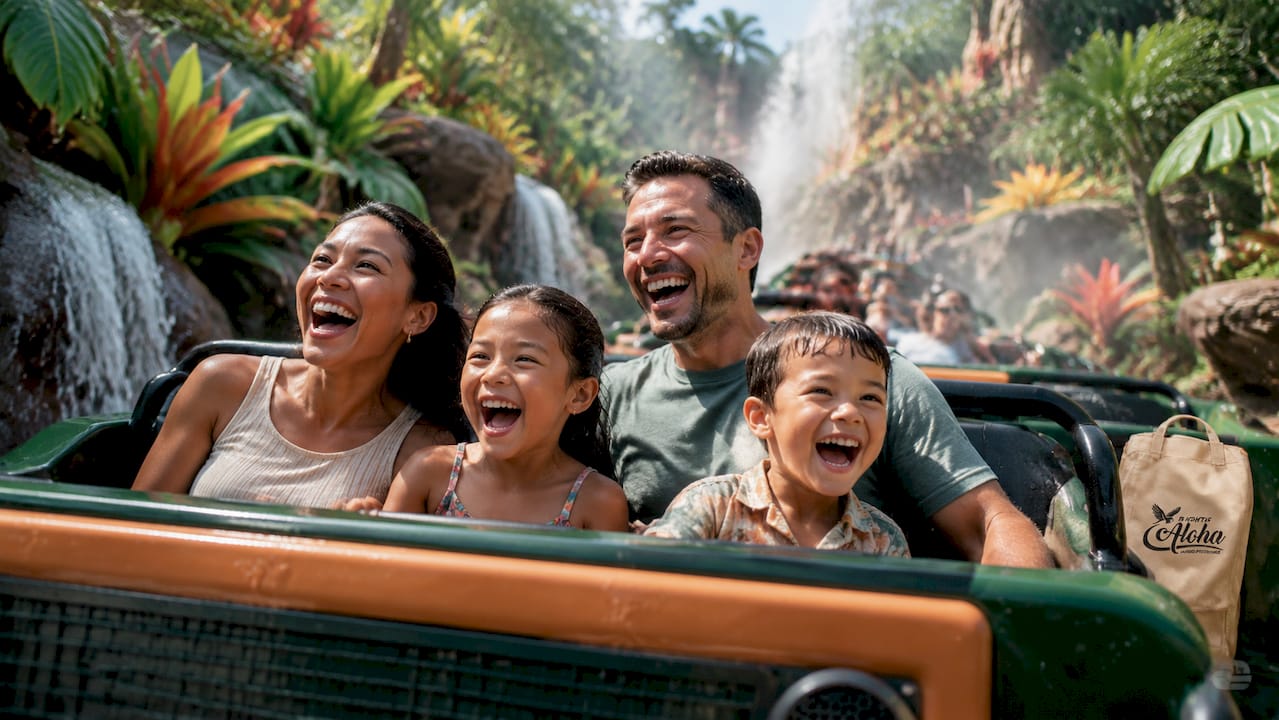
Multisensory rides are defined as attractions that stimulate two or more senses simultaneously, combining motion, wind, water, scent, sound, and lighting to create experiences that go far beyond a standard roller coaster. The best examples of multisensory rides available today use synchronized technology to make you feel like you are truly inside the story, not just watching it. From Dollywood’s NightFlight Expedition to Kings Island’s Phantom Theater: Opening Nightmare, the 2026 season has raised the bar for immersive ride experiences. Whether you are planning a theme park trip or searching for the best multisensory attractions near you, this guide covers everything worth knowing.
What features define a multisensory ride experience?
A multisensory ride, also called an immersive sensory attraction or 4D experience, is built around one core principle: the more senses engaged, the stronger the memory. Standard rides rely on speed and height. Multisensory rides layer physical effects on top of visuals and story to make the brain believe the experience is real.
The 4DX system is the most recognized example of this technology in action. It uses motion seats, wind, water spray, scents, vibrations, and strobelights to stimulate multiple senses at the same time. That simultaneous stimulation is what separates a 4D experience from a traditional film or flat ride.
Here are the sensory effects you will find most often in top multisensory ride experiences:
- Motion seats that sway, tilt, and vibrate in sync with on-screen action
- Wind effects delivered through seat-mounted or overhead fans
- Water spray at face level, calibrated for intensity
- Scent release timed to match story moments (pine forest, ocean air, smoke)
- Fog and mist for atmospheric depth
- Strobe and colored lighting to heighten tension or wonder
- Spatial audio that places sound in three-dimensional space around the rider
Pro Tip: When choosing a multisensory ride, ask whether effects are synchronized to the story or just triggered on a timer. Story-synced effects create a far more believable and emotionally engaging experience.
The indoor versus outdoor distinction matters too. Indoor rides control temperature, lighting, and sound far more precisely. That control is what makes them especially appealing for families with young children or guests sensitive to weather.
1. Dollywood’s NightFlight Expedition
Dollywood’s NightFlight Expedition is a $50 million indoor family coaster with water effects, opening in 2026 as one of the most technically ambitious family rides in the United States. The ride combines four distinct ride elements inside a fully enclosed environment, making it a year-round attraction regardless of Tennessee weather.
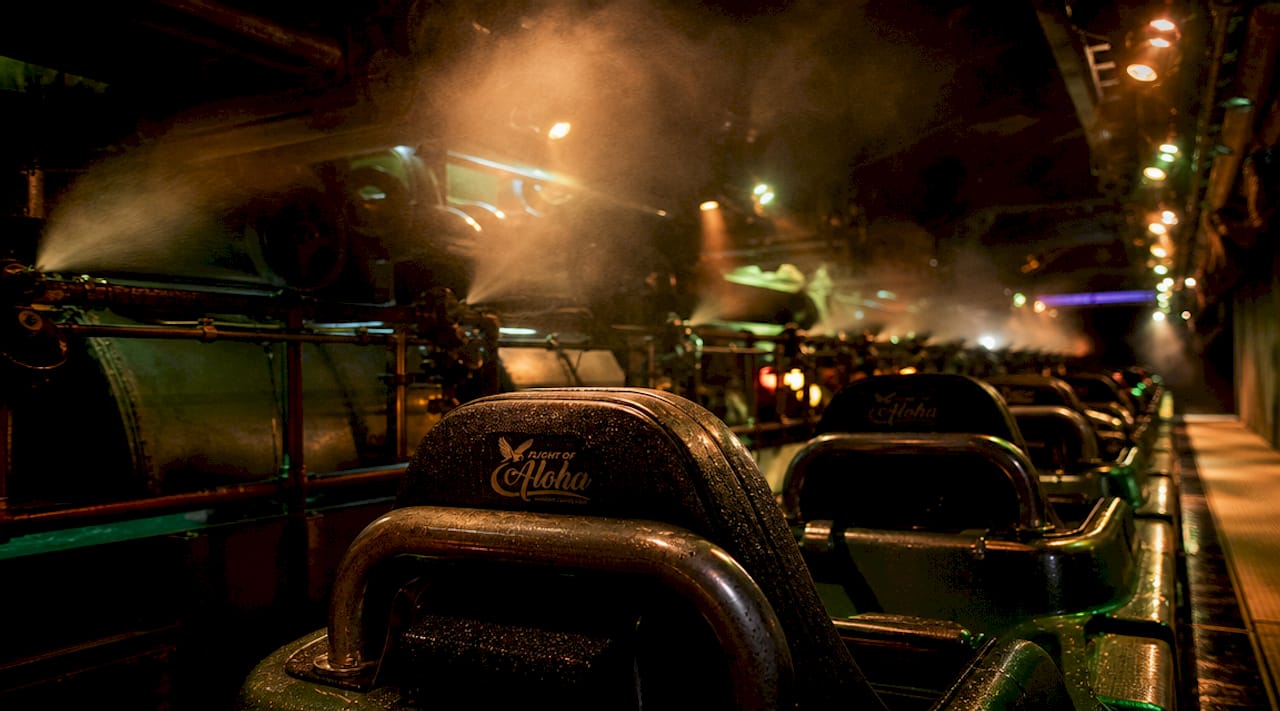
What makes this ride stand out among examples of sensory adventures is the engineering behind its water system. The attraction uses 500,000 gallons of water and controls variables including water temperature, spray intensity, and what designers call the “water factor.” Riders do not need to worry about getting soaked in cold weather. That level of precision is rare in large-scale water rides and makes it genuinely family-friendly across seasons.
The indoor setting also allows for controlled lighting and sound design that outdoor coasters simply cannot achieve. NightFlight Expedition is a strong example of how family-friendly design innovations expand multisensory appeal beyond traditional thrill-seekers to include younger guests and those who prefer predictable comfort.
2. Kings Island’s Phantom Theater: Opening Nightmare
Kings Island’s Phantom Theater: Opening Nightmare is an interactive dark ride that opened for the 2026 season, featuring “spellbound flashlights” that guests use to interact with the ride environment. Wind, layered sound effects, and hidden Easter eggs are woven throughout the experience. The ride ends with a full musical finale, giving it a theatrical quality that most dark rides lack.
The interactive element is what makes this one of the most compelling examples of multisensory rides for families. Guest participation tools like flashlights synchronize sensory effects with story elements, turning a passive ride into an active challenge. Guests who ride multiple times discover new Easter eggs and score differently, which drives repeat visits. This approach to interactive ride design is one of the fastest-growing trends in theme park entertainment.
3. 4DX cinema rides
4DX is the most widely available format for multisensory ride experiences globally, operating in hundreds of theaters across dozens of countries. The 4DX multi-sensory approach strengthens emotional presence by combining motion seats with wind, water, scents, and lighting timed to match film action. It is not a traditional theme park ride, but it delivers the same sensory layering that defines the category.
What separates 4DX from standard cinema is the physical feedback loop. When an on-screen character runs through rain, you feel water mist and hear spatial audio around you. When an explosion happens, your seat vibrates and a burst of air hits your face. The result is a ride film experience that feels closer to a theme park attraction than a movie. 4DX is also one of the most accessible examples of multisensory rides for families who are not near major theme parks.
| Ride | Key sensory effects | Best for |
|---|---|---|
| Dollywood’s NightFlight Expedition | Water, motion, lighting, sound | Families, all ages |
| Kings Island’s Phantom Theater | Wind, sound, interactive flashlights | Families, repeat visitors |
| 4DX cinema | Motion, water, wind, scent, strobe | General audiences, film fans |
4. Enchanted Greenhouse dark ride
The Enchanted Greenhouse is an interactive dark ride that blends physical sets with projection screens, mist effects, breezes, and target-shooting gameplay. The nature theme uses dew sprayers and atmospheric breezes to make the floral environment feel alive around you. Guests of all ages can participate through the shooting mechanic, which adds a scoring layer that keeps children and adults equally engaged.
What makes this ride a strong example of sensory adventures is the combination of physical and digital. The mist and breeze effects are timed to match moments in the projected scenes, so the sensory input feels earned rather than random. You can read more about why immersive rides like this one consistently rank among the most popular attractions for repeat visitors.
Sensory effects featured in the Enchanted Greenhouse include:
- Dew sprayers and fine mist timed to floral scenes
- Gentle breezes synced to movement through the greenhouse
- Projection mapping on physical set pieces
- Interactive target shooting with real-time scoring
5. Animal Treasure Island at Gardaland
Animal Treasure Island at Gardaland in Italy is one of the most technically detailed multisensory dark rides in Europe. The attraction features 19 scenes, 39 projectors, and 250+ speakers for spatial 3D audio, with synchronized lighting, water, scent, and fog effects throughout. The scale of the audio system alone puts it in a different category from most theme park rides.
The synchronization of projection mapping, lighting, audio, and physical effects with the ride vehicle’s position is what makes this attraction feel seamless. Each scene triggers its own combination of sensory inputs precisely as the vehicle arrives, so the experience feels like a live performance rather than a looping program. Animatronics add a physical presence that pure projection rides cannot replicate. For families visiting Europe, this is one of the best multisensory attractions on the continent.
Pro Tip: Interactive rides with scoring systems like Animal Treasure Island and Phantom Theater reward repeat visits. Your second ride will feel completely different once you know where to aim and what to look for.
6. Flying theater attractions
Flying theater attractions are a distinct category of immersive sensory rides that suspend guests in front of a giant curved screen while motion, wind, and scent effects simulate aerial flight. The format is used at major parks worldwide and delivers one of the most convincing multisensory illusions available without a roller coaster. The benefits of sensory attractions like flying theaters include accessibility for guests who cannot handle intense motion, since the movement is gentle and controlled.
The scent element in flying theaters is particularly powerful. When the film passes over a pine forest or ocean coastline, a matching scent releases at seat level. That single addition transforms a visual experience into a full-body memory. Flying theaters also tend to be among the most family-friendly options in any park because height restrictions are low and the motion is smooth.
How multisensory rides enhance family entertainment and learning
Multisensory rides create stronger memories than single-sense experiences because the brain encodes information more deeply when multiple sensory channels are active at once. A child who feels wind, smells ocean air, and sees a coastline from above will remember that experience far longer than a child who simply watched a video of the same scene. This is why immersive attractions have a measurable impact on family travel satisfaction.
The controlled indoor environment of most modern multisensory rides also removes barriers that keep some families away from traditional theme parks. No sunburn, no rain delays, no extreme heat. Families with sensory-sensitive children can preview the effects in advance and choose rides calibrated for comfort rather than shock.
Key benefits of multisensory rides for families include:
- Emotional engagement that outlasts the ride itself, creating shared memories
- Accessible thrills for guests who cannot handle high-speed or high-altitude rides
- Interactive participation that keeps children actively involved rather than passive
- Cultural storytelling woven into sensory effects, adding educational depth
- Repeat value through scoring systems and hidden details that reward multiple visits
Key takeaways
The most memorable multisensory rides combine story-synced sensory effects with interactive participation to create experiences that engage every member of the family.
| Point | Details |
|---|---|
| Story-synced effects matter | Effects timed to narrative moments feel earned and create stronger emotional impact. |
| Indoor rides expand access | Controlled environments make multisensory rides comfortable for all ages and weather conditions. |
| Interaction drives repeat visits | Scoring systems and hidden Easter eggs give guests a reason to ride again. |
| Scale of audio and projection | Rides like Animal Treasure Island use 250+ speakers and 39 projectors for true immersion. |
| Flying theaters offer gentle thrills | Wind, scent, and motion simulate flight without intense speed, ideal for families. |
Why the best multisensory rides are raising the bar in 2026
I have spent years watching theme park technology evolve, and 2026 feels like a genuine turning point. The gap between a standard ride and a multisensory experience has never been wider, and parks are finally investing in the engineering to close it. NightFlight Expedition’s water temperature controls and Phantom Theater’s interactive flashlight system are not gimmicks. They are evidence that designers now understand what actually creates a lasting memory.
What surprises me most is how the best new rides prioritize families over thrill-seekers. The industry spent decades chasing height records and speed records. Now the most talked-about openings are indoor, controlled, and designed for guests who want to feel something rather than just survive something. That shift is good for everyone.
If you are choosing between rides on a park visit, I always recommend prioritizing interactive sensory rides over passive ones. The rides where you hold a flashlight, make choices, or trigger effects yourself are the ones you will talk about for years. Passive rides, no matter how beautiful, fade faster. Look for experiences that put something in your hands.
— Ola
Experience multisensory wonder at Flight of Aloha in Kona
If you love the idea of multisensory ride experiences but want something rooted in real culture and breathtaking beauty, Flight of Aloha delivers exactly that. Located inside King Kamehameha’s Kona Beach Hotel and walking distance from Kailua Pier, this Native Hawaiian-owned flying theater blends 8K visuals, motion effects, authentic Hawaiian scents, and wind to simulate soaring over Hawai’i. Think of it as what you would get if a helicopter tour and a Disney ride had a baby, rooted in aloha.

It is the smartest alternative to a $400 helicopter tour, with no motion sickness and the best air conditioning on the Big Island. Perfect for rainy days in Kona, escaping the vog, or a quick shore excursion between activities like Manta Ray Snorkel or Kona Coffee Farms tours. Whether you are looking for indoor activities on the Big Island or family friendly Kona experiences, Flight of Aloha belongs at the top of your list. Book your seat online and secure your spot today.
FAQ
What are multisensory rides?
Multisensory rides are attractions that stimulate two or more senses at the same time, using combinations of motion, wind, water, scent, sound, and lighting to create immersive experiences beyond standard visual entertainment.
What are the best examples of multisensory rides in 2026?
The top examples include Dollywood’s NightFlight Expedition, Kings Island’s Phantom Theater: Opening Nightmare, and 4DX cinema experiences, all of which combine multiple synchronized sensory effects for family-friendly immersion.
Are multisensory rides suitable for young children?
Most modern multisensory rides are designed with families in mind. Indoor attractions like NightFlight Expedition control water temperature and intensity, making them comfortable and predictable for guests of all ages.
How does 4DX work as a multisensory experience?
4DX uses motion seats, wind, and water spray alongside scents and strobelights, all synchronized to film action, to make cinema feel like a physical ride experience.
What makes interactive sensory rides different from standard dark rides?
Interactive sensory rides use guest participation tools like flashlights or scoring systems to alter effects and story outcomes based on what guests do, creating a deeper emotional connection and strong repeat visit appeal.