
What Is a Local’s Guide? Insider Travel Tips That Work 🌺
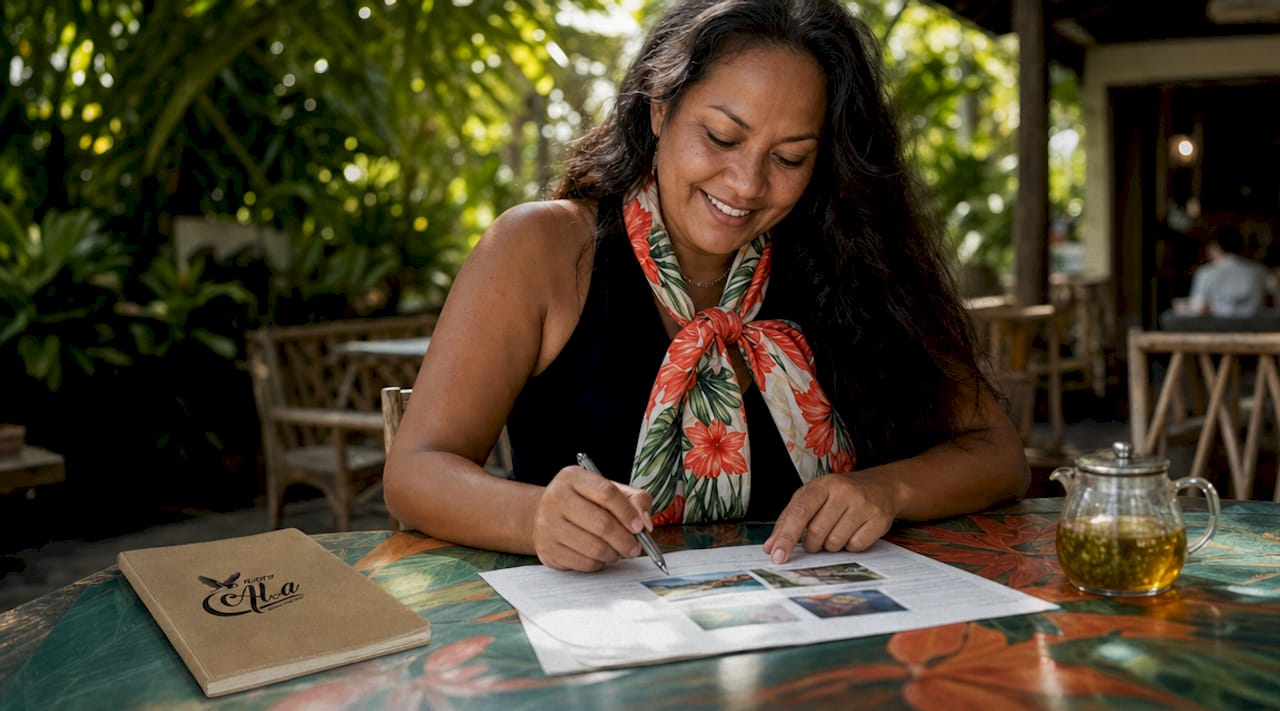
A local’s guide is an insider-led resource offering travelers deep cultural knowledge, practical norms, and hidden-gem access that no algorithm or tourist brochure can replicate. Known formally as destination-specific guided interpretation, this type of travel assistance goes far beyond pointing out landmarks. It delivers the context, customs, and lived experience that turn a good trip into an unforgettable one. Whether you’re exploring Kailua-Kona’s lava fields, wandering a Parisian neighborhood, or discovering a tucked-away Kona Coffee farm, a local’s guide is the difference between seeing a place and truly understanding it.
What is a local’s guide and why does it matter?
A local’s guide is defined as a person or curated resource that provides insider cultural knowledge beyond landmarks, adding context and local lifestyle interpretation for travelers. This is distinct from a standard tour guide who follows a script, and very different from relying on Google Maps or a travel app. The core value is human context. A local knows which beach gets crowded by 10 a.m., which coffee shop the fishermen use before dawn, and which cultural gesture will earn you a warm smile versus an awkward silence.
Google Maps Local Guides is a popular crowd-sourced example of this concept in digital form, where residents contribute reviews, photos, and tips to help visitors navigate authentically. But the richest version of a local’s guide is still a person, not a platform. Apps give you directions. Locals give you meaning. That distinction shapes every authentic travel experience worth having.
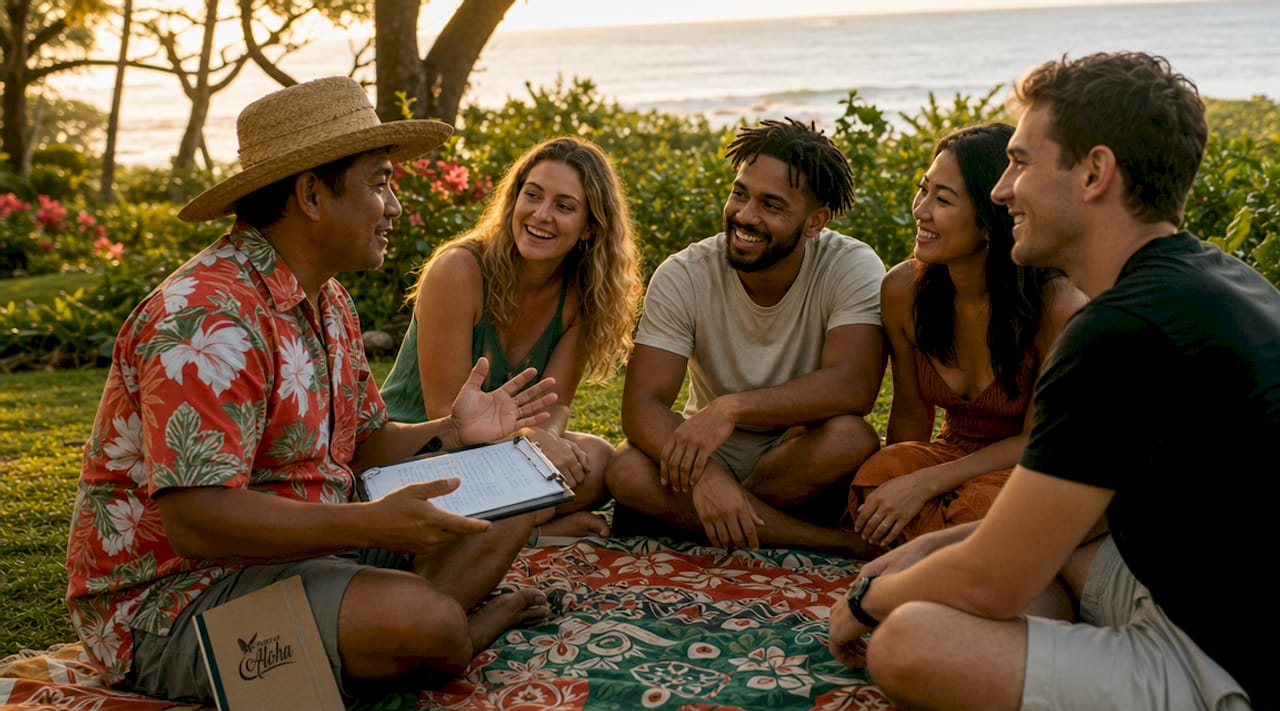
The best local guides also serve as safety translators. In destinations with complex social norms or limited tourism infrastructure, cultural interpretation and safety translation become critical services that protect travelers and deepen their respect for the places they visit. This is the core insight every traveler should carry into trip planning.
What roles do local guides play in enhancing travel?
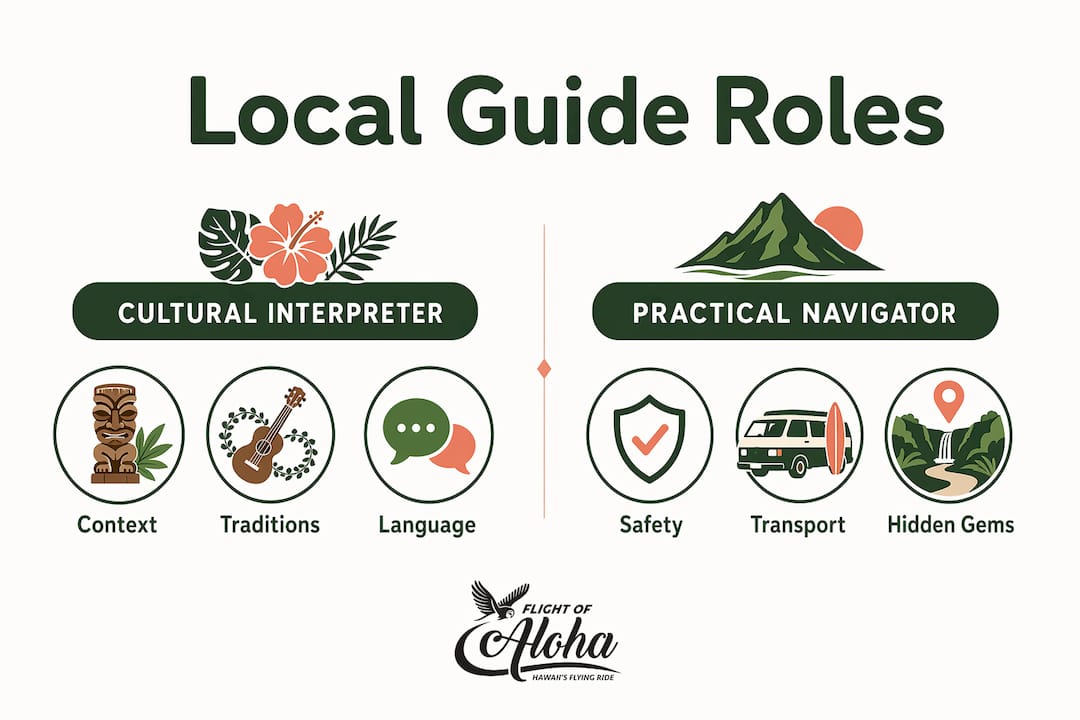
Local guides serve at least three distinct functions: cultural interpreter, practical navigator, and authentic experience facilitator. Each role fills a gap that no travel app currently covers well.
As cultural interpreters, local guides explain why things happen, not just what is happening. In Kona, for example, a knowledgeable guide explains the significance of a heiau (sacred site) before you walk past it, so you approach with the right respect. In Tokyo, a local guide tells you the unspoken rules of a neighborhood izakaya that no guidebook lists. This layer of meaning transforms sightseeing into genuine connection.
As practical navigators, local guides handle the friction that slows travelers down:
- Language nuances: They translate not just words but tone, formality, and regional slang.
- Timing of visits: They know when the Manta Ray Snorkel sites are least crowded and when Kona Coffee Farms open for tastings.
- Local customs: They prep you on tipping norms, dress codes at sacred sites, and neighborhood etiquette.
- Transit shortcuts: They use local buses and shared rides that tourists typically overlook, saving time and money.
- Food and market access: They lead you to the farmers’ market stalls that sell out by 8 a.m., not the tourist-facing shops that stay open all day.
As authentic experience facilitators, local guides connect you to the real daily rhythm of a place. Group bus tours move 40 people through the same five stops. A local guide takes you to the neighborhood where residents actually live, eat, and celebrate. The immersion is incomparable.
Pro Tip: Ask your local guide to plan one full morning around how they personally spend their day off. That single request will reveal more authentic experiences than any curated itinerary.
How do volunteer Greeter programs differ from professional local guides?
Volunteer Greeter programs represent a distinct and fascinating category within the local’s guide world. The International Greeter Association defines Greeters as local volunteers offering free tours focused on authentic local life, serving groups of up to six people through personalized, non-commercial walking experiences. This is not a professional service. It is a people-to-people exchange rooted in genuine hospitality.
The contrast with professional guides is meaningful and worth understanding before you book anything:
| Feature | Volunteer Greeter | Professional Local Guide |
|---|---|---|
| Cost | Free | Paid (varies widely) |
| Group size | Up to 6 people | Flexible, often larger |
| Format | Informal walking tour | Structured itinerary |
| Commercial focus | None | Varies by operator |
| Booking | Through IGA network | Platforms or direct |
| Best for | Intimate cultural exchange | Larger groups, specific expertise |
Greeter programs now operate in over 170 destinations worldwide and actively contribute to United Nations Sustainable Development Goals through responsible, low-impact tourism. Routes are adapted to use public transport, spread visitor foot traffic away from overcrowded hotspots, and channel economic benefit into local neighborhoods. This makes Greeter programs one of the most genuinely sustainable forms of travel available today.
Professional guides are the better choice when your group exceeds six people, when you need specialized expertise (wildlife biology, culinary history, archaeological context), or when you want a structured itinerary with guaranteed timing. Mismatching guide type to group size is one of the most common mistakes travelers make, and it consistently reduces satisfaction on both sides of the experience.
How to find and vet a trustworthy local guide
Finding a great local guide takes about 30 minutes of focused research. Skipping that step is how travelers end up with generic tours dressed up as insider experiences. Here is a practical process that works:
- Start with vetted platforms. ToursByLocals and Airbnb Experiences provide transparent reviews, verified profiles, and clear pricing. GetYourGuide adds another layer of consumer protection with a refund policy. These platforms are not perfect, but they filter out the worst actors.
- Check specialty and language skills. A guide who specializes in Hawaiian cultural history delivers a fundamentally different experience than a generalist. Vetting by specialty, language, and credentials is the single most reliable predictor of a meaningful tour.
- Ask your hotel concierge or tourism board. Hotel staff and official tourism boards stake their reputation on referrals. A bad recommendation reflects on them directly, so their suggestions carry real accountability.
- Read the most recent reviews, not the highest-rated ones. A guide with 200 five-star reviews from three years ago may have changed their approach. Look for reviews from the last six months that describe specific moments, not just generic praise.
- Ask these three questions before booking: What is the maximum group size? What happens if weather disrupts the plan? Can you share one specific story or fact about this destination that most tourists never hear?
Red flags to avoid: guides who refuse to share references, operators who bundle you into groups larger than advertised, and any service that cannot clearly explain what makes their experience different from a standard bus tour.
Pro Tip: Search “[destination] + local guide + [your interest]” on YouTube before booking. Many excellent guides post free content that shows their personality, depth of knowledge, and communication style before you spend a dollar.
Practical tips for traveling like a local
Traveling like a local means avoiding tourist traps, using local transit, and following residents’ language and lifestyle habits. Most travelers miss genuine local culture by sticking to tourist hubs. The fix is deliberate and surprisingly simple.
Here is how to integrate local guides and resident insights for a genuinely immersive trip:
- Base your days on neighborhoods, not landmarks. Pick one neighborhood per day and explore it on foot. In Kailua-Kona, the area mauka (toward the mountain) of Ali’i Drive has coffee farms, local eateries, and cultural sites that most cruise visitors never reach.
- Use public transit at least once. Riding the local bus or shared shuttle puts you next to residents going about their actual lives. The conversations that happen naturally on public transit are worth more than any guided commentary.
- Learn five phrases in the local language. In Hawai’i, knowing “mahalo” (thank you), “aloha” (hello/goodbye/love), and “pau hana” (after work) signals respect and opens doors. Locals’ advice consistently points to language as the fastest way to earn genuine warmth.
- Ask the right people for recommendations. Taxi and rideshare drivers, hotel bartenders, coffee shop baristas, and farmers’ market vendors are your best sources of real insider knowledge. Ask them where they ate last weekend, not where they send tourists.
- Stay in residential areas when possible. Vacation rentals in neighborhoods away from the hotel strip give you access to local grocery stores, morning routines, and the quiet rhythms of daily life that define a place far better than any attraction.
- Let your local guide lead you off the itinerary. The best moments on any guided tour happen when the guide says, “This wasn’t planned, but follow me.” Say yes every time.
Local guides on the Big Island can unlock experiences like authentic Hawaiian attractions that range from Kona Coffee farm tastings to Manta Ray Snorkel sites that only residents know how to time correctly. These are the best local attractions that never appear on the first page of a travel search.
Key takeaways
A local’s guide delivers cultural context, safety translation, and authentic access that no app or group tour can match, making it the most effective tool for travelers who want real experiences over curated ones.
| Point | Details |
|---|---|
| Definition of a local’s guide | An insider-led resource providing cultural context, hidden gems, and practical norms beyond landmarks. |
| Greeter vs. professional guide | Greeters are free, volunteer-led, and ideal for groups of six or fewer; professionals suit larger groups or specialized needs. |
| Vetting your guide | Check specialty, language skills, recent reviews, and ask three specific questions before booking. |
| Traveling like a local | Base days on neighborhoods, use public transit, learn local phrases, and ask residents for real recommendations. |
| Big Island insider access | Local guides unlock Kona Coffee farms, Manta Ray Snorkel timing, and cultural sites most tourists never find. |
Why local guides changed how I see the Big Island
I have spent years exploring Kona, and the single biggest shift in how I experience it came from stopping to actually talk to people who live here. Not tour operators. Not hotel staff reading from a script. Actual residents who fish the same waters their grandparents fished, who know which lava field trail goes somewhere extraordinary, and who can tell you the story behind a place in a way that makes you feel it.
The Big Island is one of those destinations where a local’s guide is not a luxury. It is the only way to access what makes this island genuinely extraordinary. Kona Coffee Farms are spectacular on their own, but a local guide who knows the farm owner personally turns a tasting into a conversation about generations of agriculture. Manta Ray Snorkel experiences are thrilling regardless, but knowing exactly when and where to go makes the difference between a crowded boat and a private encounter.
My honest advice: prioritize Native Hawaiian-owned guide services whenever you can. Supporting those businesses sustains the communities that keep Hawaiian culture alive. It also means your guide has a personal, generational connection to the stories they’re telling you. That depth is irreplaceable.
For families, rainy days, or anyone who wants aerial views of Hawai’i without the $400 helicopter price tag or the motion sickness risk, I always point people toward Flight of Aloha. It belongs in your top three Kona experiences, full stop. Book early, especially if you’re coming off a cruise ship.
— Ola
Experience authentic Hawai’i with Flight of Aloha
Flight of Aloha is the insider’s answer to experiencing Hawai’i’s breathtaking landscapes without the cost or physical demands of a helicopter tour. Located inside King Kamehameha’s Kona Beach Hotel and walking distance from Kailua Pier, this Native Hawaiian-owned immersive flying theater blends 8K visuals, motion effects, wind, and authentic scents to simulate soaring over the islands. It is the best indoor activity on the Big Island, making it the top choice for rainy days in Kona, vog escapes, and family-friendly shore excursions.
Whether you’re a first-time visitor or a returning traveler looking for the best Big Island activities, Flight of Aloha delivers cultural storytelling rooted in Hawaiian legends in a way no other attraction in Kona offers. It is the smart, comfortable, and culturally rich alternative to pricey aerial tours. Book your experience online today to secure your seat.
FAQ
What is a local’s guide in travel?
A local’s guide is an insider-led person or resource that provides cultural context, hidden-gem access, and practical travel knowledge beyond what standard tourist resources offer. It differs from a professional tour guide by emphasizing lived experience and authentic daily life over scripted landmark commentary.
Are Greeter programs really free?
Yes. Greeter programs are run entirely by volunteers through the International Greeter Association and charge no fee to travelers. They serve groups of up to six people and focus on genuine cultural exchange rather than commercial tourism.
How do I find a trustworthy local guide for Kona?
Start with platforms like ToursByLocals or Airbnb Experiences, then cross-reference with your hotel concierge or the Hawaii Tourism Authority. Prioritize guides who specialize in Hawaiian culture, speak clearly about group size limits, and have recent reviews describing specific, memorable moments.
What is the best indoor activity on the Big Island for families?
Flight of Aloha, located inside King Kamehameha’s Kona Beach Hotel in Kailua-Kona, is the top family-friendly indoor activity on the Big Island. It combines 8K immersive visuals, motion, scent, and wind effects to simulate flying over Hawai’i, making it ideal for rainy days, vog conditions, and cruise ship shore excursions.
How do local guides help you travel like a local?
Local guides help travelers avoid tourist traps by directing them to authentic neighborhoods, local transit routes, and resident-favorite food and cultural spots. They provide the timing, language, and cultural context that transforms a standard visit into a genuinely immersive experience.