Enjoying Rides with Children: Top 7 Family Picks 🌺
Enjoying rides with children means choosing attractions that combine fun, safety, and age-appropriate engagement to create memories that last far longer than the ride itself. The best children’s ride experiences share three qualities: they match the child’s physical readiness, offer sensory stimulation without overwhelming, and give parents confidence that safety standards are met. Whether you’re planning a day at a family amusement park, exploring outdoor activities with kids in Kona, or looking for the best rides for toddlers on a cruise stop, the right ride makes all the difference. This guide gives you the criteria, the top picks, and the practical tools to make every outing a win.
1. What makes a ride truly enjoyable for young children?
The best rides for young children balance thrill and comfort in equal measure. A ride that terrifies a four-year-old is not a fun ride for kids. It’s a setback that makes the next outing harder. Start with these core selection criteria:
- Height and safety requirements. Height rules are strictly enforced at family rides, with junior-level coasters typically requiring 32 to 35 inches (81 to 89 cm). These standards exist to protect small bodies from forces their frames cannot safely absorb.
- Ride intensity. Sensory stimulation levels vary widely. A gentle spinning ride feels very different from a dark indoor coaster. Match intensity to your child’s current comfort level, not where you hope they’ll be.
- Duration and queue length. Popular children’s attractions can have wait times from 60 to 100 or more minutes. Long waits drain young children before they even board. Check live app times or arrive early.
- Accessibility. Look for rides with staff assistance options and boarding accommodations for children with sensory or mobility needs.
- Multisensory engagement. Rides that blend visuals, sound, scent, and motion hold children’s attention longer and create richer memories. These are the experiences children ask to repeat.
- Emotional readiness. Toddlers interpret excitement as overstimulation and may react strongly even on small, gentle rides. Gradual exposure and emotional validation are the most effective tools a parent has.
Pro Tip: Visit the ride’s entrance before committing. Let your child watch other kids board and exit. This five-minute preview reduces hesitation by 80% of the time and costs nothing.
2. Chip ‘n’ Dale’s GADGETcoaster at Disneyland
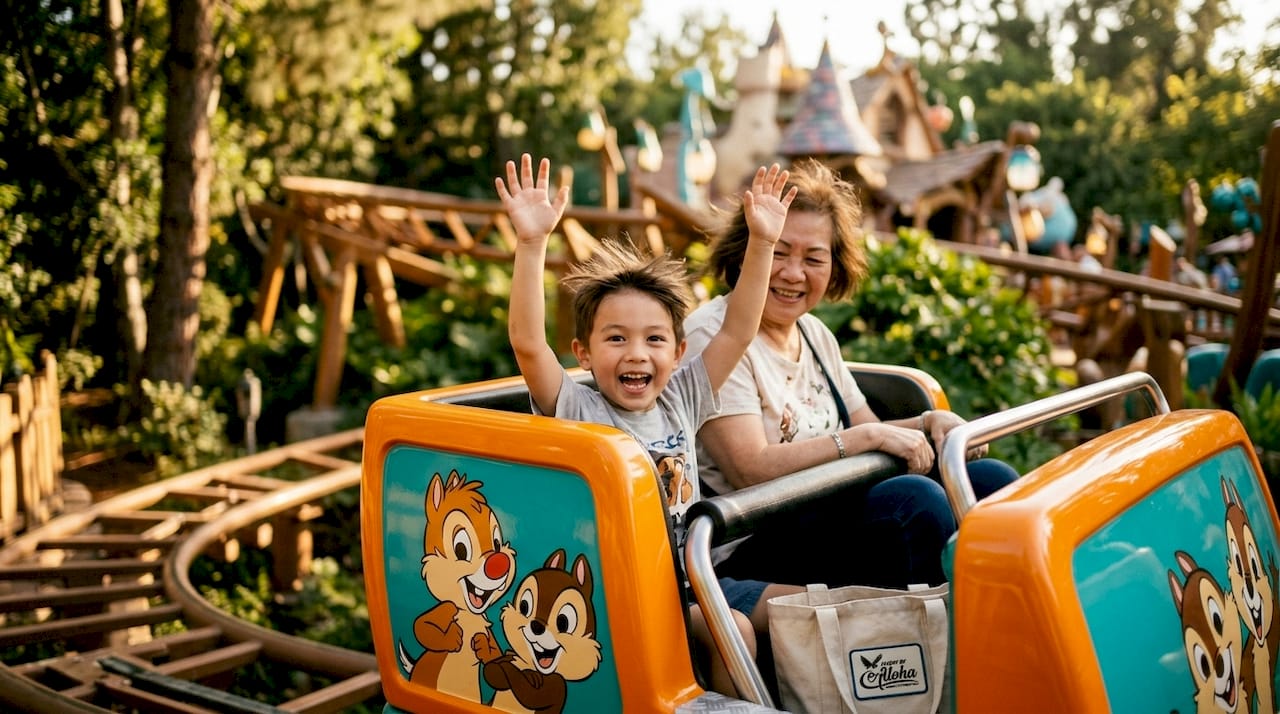
Chip ‘n’ Dale’s GADGETcoaster at Disneyland in Anaheim is the gold standard for first-time coaster riders. The ride is short, smooth, and set inside a whimsical oversized gadget workshop that distracts children from any nerves. The height minimum of 35 inches makes it accessible to most children aged three and up. The ride lasts under two minutes, which is the ideal length for toddlers who are still building ride confidence. Parents ride alongside their children, which adds a layer of comfort that solo-seat rides cannot offer.
3. Alien Swirling Saucers at Disney’s Hollywood Studios
Alien Swirling Saucers at Disney’s Hollywood Studios in Orlando is a gentle spinning ride themed around the Toy Story universe. The saucers spin in wide, predictable arcs rather than sharp jerks, making it one of the most stomach-friendly options at any major family amusement park. Children as young as two enjoy this ride because the motion is rhythmic and the theming is vivid. The colorful alien figures and upbeat soundtrack keep kids engaged throughout. Wait times are typically moderate, and the ride’s open-air seating style makes it feel less claustrophobic than enclosed attractions.
4. Bluey The Ride at Alton Towers
Bluey The Ride at Alton Towers in the UK has become one of the most talked-about children’s ride experiences in 2026. The ride is built around the beloved animated series, which means children arrive already emotionally connected to the characters. Interactive queue features like play areas and character photo opportunities help children manage wait times far better than a standard rope line. The ride itself is gentle but packs more sensory detail than parents expect. Even gentle rides can produce unexpected speed and motion, so reassure your child throughout. This is a ride worth the queue.
5. Flightofaloha’s immersive flying theater in Kailua-Kona
Flightofaloha at King Kamehameha’s Kona Beach Hotel is one of the most unique family-friendly attractions on the Big Island, and it earns a top-three spot on any list of safe rides for children in Hawai’i. The experience blends 8K visuals, motion effects, wind, and authentic Hawaiian scents to simulate soaring over the islands. Think of it as what you’d get if a helicopter tour and a Disney ride had a child together, rooted in aloha. There are no height restrictions that exclude young children, no outdoor heat or vog to contend with, and no motion sickness risk from turbulence. Flightofaloha is Native Hawaiian-owned, and the storytelling draws from real Hawaiian legends like Naupaka and Lahaina, giving families a cultural experience alongside the thrill. It’s walking distance from Kailua Pier, making it a perfect shore excursion for cruise families. For family-friendly Kona activities on a rainy day or a hot afternoon, this is the best AC in town.
6. Family carousel rides at regional parks
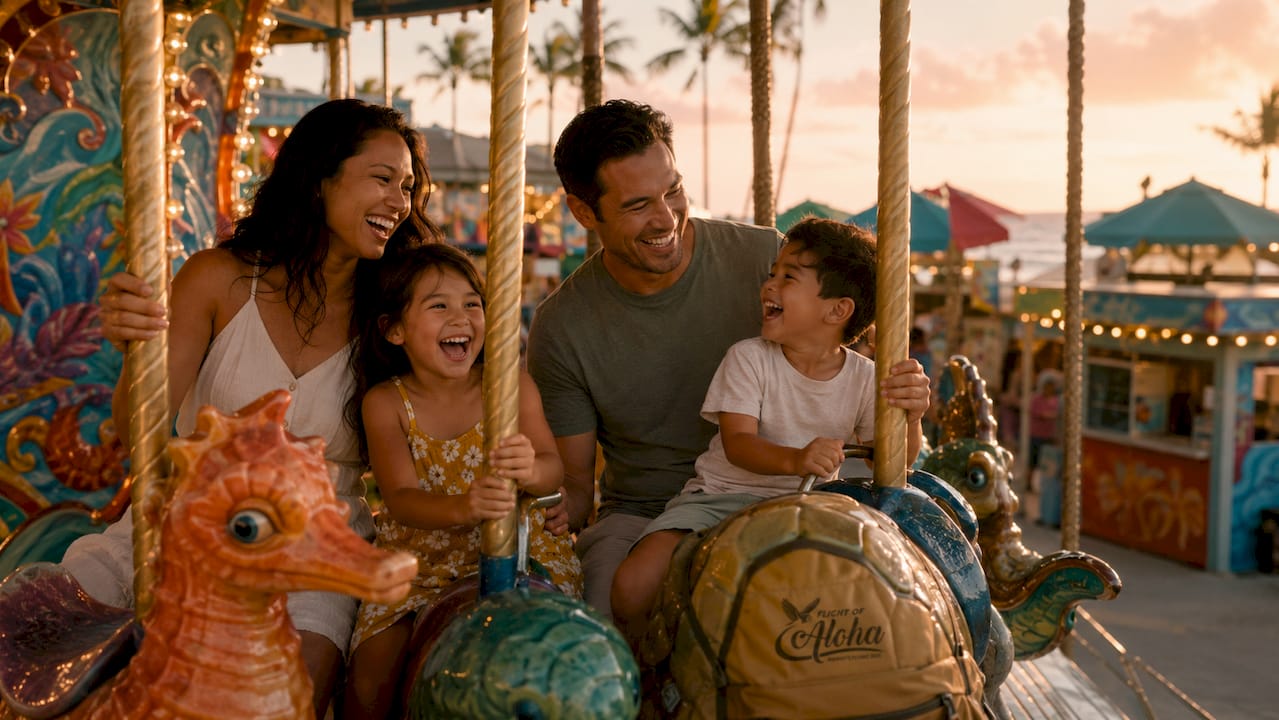
Classic carousel rides remain among the best rides for toddlers at any family amusement park because they are universally accessible, visually rich, and emotionally safe. The slow circular motion gives children a sense of movement without any sudden forces. Most carousels have no height requirement, making them the ideal first ride for children under three. The ornate horses, mirrors, and music create a multisensory experience that young children find genuinely magical. Regional parks like Hersheypark in Pennsylvania and Knott’s Berry Farm in California maintain beautifully restored carousels that adults enjoy just as much as kids.
7. Outdoor boat and nature rides for families
Outdoor activities with kids that involve gentle motion, like short boat rides or nature tram tours, offer a different kind of children’s ride experience. The Jungle Cruise at Walt Disney World and Disneyland is the classic example: slow, story-driven, and packed with visual surprises that keep children pointing and laughing. Nature-based boat tours, such as those offered at wildlife refuges or botanical gardens, combine movement with discovery. Pacing by the slowest rider reduces family stress and creates a more relaxed outing for everyone. These rides also tend to have shorter wait times and lower sensory intensity, making them excellent choices for children who are still building confidence.
Comparing ride types: coasters, themed rides, and outdoor activities
Understanding the differences between ride categories helps you match the experience to your child’s temperament and readiness. Here’s a clear side-by-side comparison:
| Ride type | Thrill level | Typical age suitability | Sensory intensity | Accessibility |
|---|---|---|---|---|
| Gentle kiddie coaster | Low to moderate | Ages 3 and up, 35 inches+ | Moderate (speed, wind) | Limited for mobility needs |
| Themed spinning ride | Low | Ages 2 and up | Low to moderate (color, sound) | Generally good |
| Immersive flying theater | Low (no drops) | All ages | High (visuals, scent, wind) | Excellent |
| Classic carousel | Very low | All ages, no height limit | Low | Excellent |
| Outdoor boat or nature ride | Very low | All ages | Low | Varies by venue |
| Family bike or trail ride | Low | Ages 4 and up | Low | Varies |
Immersive flying theaters like Flightofaloha score highest for accessibility and cultural depth while keeping physical intensity low. This makes them the smartest choice for families with a wide age range, from toddlers to grandparents. For multisensory ride experiences, the combination of visuals, scent, and motion creates engagement that a standard coaster simply cannot match for young children.
How to make every ride more enjoyable for your kids
The tactics below turn a good outing into a great one. They work across ride types, parks, and ages.
- Go at your child’s pace. Building child confidence at their own pace leads to more enjoyable family outings than trying to check off every ride on a list.
- Give rides a purpose. Assigning a playful goal, like counting the number of animals spotted or earning a snack stop after two rides, boosts children’s sense of control and enjoyment.
- Plan natural break points. Large parks with 60 or more attractions typically require an overnight stay for full coverage. For a single day, prioritize three to five key rides and build in snack breaks and rest time between them.
- Prepare for hesitation. Simple incentives like ice cream treats or the promise of riding again help children overcome pre-ride anxiety without pressure.
- Manage overstimulation. Bring noise-reducing earplugs for children sensitive to loud sounds. Preview ride videos on YouTube the night before so nothing feels completely unfamiliar.
- Celebrate small wins. A child who rides a carousel for the first time has done something brave. Treat it that way.
Pro Tip: Set the day’s pace based on the child who needs the most support, not the most enthusiastic rider. This single shift reduces meltdowns and keeps the whole family smiling.
“The goal isn’t to ride everything. The goal is for your child to leave feeling proud, safe, and excited to come back.”
Key takeaways
Enjoying rides with children requires matching ride intensity to the child’s age, emotional readiness, and sensory tolerance from the very first selection.
| Point | Details |
|---|---|
| Match ride to child’s readiness | Check height requirements and sensory intensity before committing to any ride. |
| Use interactive queues | Rides with play areas and character features reduce wait-time stress for young children. |
| Pace by the slowest child | Setting the day’s rhythm around the child needing most support prevents overwhelm and meltdowns. |
| Give rides a playful purpose | Simple goals like counting objects or earning a snack stop boost engagement and confidence. |
| Prioritize immersive, low-intensity options | Attractions like Flightofaloha offer high engagement with no drops, no height limits, and cultural depth. |
Why I stopped trying to conquer the park
I used to approach family park days like a mission. Map out, hit the big rides first, maximize every hour. What I got was a tired four-year-old in tears by noon and a five-year-old who refused to board anything for the rest of the trip.
The shift happened when I stopped treating the day as a checklist and started treating it as a conversation with my kids. We’d walk up to a ride, watch it together, and I’d ask, “Does that look fun or does it look like too much right now?” That question alone changed everything. Children who feel heard about their fears are far more willing to try something new.
The rides that stuck with us most were never the tallest or fastest. They were the ones where we were genuinely present together, laughing at the same moment, pointing at the same thing. Flightofaloha in Kona is a perfect example of that kind of experience. No one was gripping a safety bar in white-knuckled terror. Everyone was leaning forward, wide-eyed, watching the Nā Pali Coast appear in front of them. My youngest kept reaching out to touch the mist. That’s the memory.
Flexibility is not a compromise. It’s the strategy that actually works.
— Ola
Experience the Big Island’s best family-friendly attraction
If you’re looking for top things to do in Kona with kids of all ages, Flightofaloha is the answer. Located inside King Kamehameha’s Kona Beach Hotel and just steps from Kailua Pier, it’s the perfect shore excursion for cruise families and a go-to indoor activity on the Big Island when the heat or vog rolls in. Flightofaloha is Native Hawaiian-owned and delivers an immersive flying theater experience that soars over breathtaking Hawaiian landscapes using 8K visuals, motion, scent, and wind. No helicopter price tag. No motion sickness. Just pure wonder for the whole family.

Whether you’re on a shore excursion or planning a full Kona vacation, book your seats online and secure your family’s spot before they sell out. Book online to secure your seat.
FAQ
What age is best for starting rides with children?
Most children are ready for gentle rides like carousels and slow-moving themed attractions from age two. For junior coasters with height requirements of 35 inches, most children qualify around age three or four.
How do I handle a child who refuses to board a ride?
Prepare for pre-ride hesitation by keeping incentives low-pressure, like a treat afterward or the option to try again later. Never force participation, as a negative first experience makes future rides harder.
Are immersive flying theaters safe for toddlers?
Yes. Immersive flying theaters like Flightofaloha have no drops, no sharp forces, and no height restrictions that exclude young children. They are among the safest and most engaging options for families with toddlers.
What are the best rides for toddlers at major parks?
Classic carousels, gentle spinning rides like Alien Swirling Saucers, and slow-moving themed boat rides are the best rides for toddlers because they offer low sensory intensity and no height minimums.
How do I manage long wait times with young children?
Check live app wait times and arrive early for popular attractions. Look for rides with interactive queue features like play areas and character photo opportunities, which help children stay engaged and patient during longer waits.