
Explaining Renewable Experiences: Travel That Gives Back
A renewable experience is one that replenishes what it draws on. The term borrows from energy: a renewable source refills as fast as we use it. In travel, that means an activity that supports the people, culture and land behind it, so the place is still there, and still thriving, for the next visitor. In Hawaii, this idea has a name: regenerative tourism. Here is how the idea works, how to spot it, and how to plan a Kona or Maui day around it.
TL;DR
- “Renewable” means naturally replenishing. The U.S. Energy Information Administration lists solar, geothermal, wind, biomass and hydropower as the major types.
- A renewable experience is the travel version: it gives back to the community and culture instead of just using them up. Hawaii calls this regenerative tourism.
- Choosing Native Hawaiian-owned, locally told experiences is one of the simplest ways to do it.
- Flight of Aloha, at Kailua-Kona and Whalers Village Kaanapali on Maui, is a Native Hawaiian-owned flying theater that works on rainy, hot or vog-hazy days.
What “renewable” actually means
Start with the energy meaning, because the travel meaning grows from it. The EIA explains that renewable energy comes from sources that are naturally replenishing but flow-limited. They are virtually inexhaustible, yet limited by how much is available at a given moment. The sun only shines by day, and the wind comes and goes.
That last point matters for the comparison. Renewable does not mean effortless or free of tradeoffs. The U.S. Department of Energy points out that a fully renewable power system needs more than generation. It needs storage and careful grid management, and a rushed transition can strain reliability.
Hawaii is a good place to see this up close. The state has committed to the nation’s first 100 percent renewable portfolio standard by 2045, a goal the governor renewed in 2023. Islands that once depended on imported fuel are building solar, storage and grid upgrades to get there. Keep that picture in mind: a system only renews if you put back at the rate you take out.
From energy to experiences
Now apply the same test to a vacation. A one-way experience takes: it uses a sacred place, a crowded trail or a local workforce, then moves on. A renewable one gives something back that lets it continue.
The Hawaiaʻi Tourism Authority frames this as regenerative tourism. According to Meet Hawaii’s overview, the authority wants to balance tourism’s economics with the wellbeing of communities, natural resources and culture. It also wants visitors who respect residents and the Hawaiian culture. Sustainable tourism aims to reduce harm. Regenerative tourism aims higher: to leave the place better than it was.
In practice, a renewable experience tends to have four traits:
- Local ownership. Your money stays with people who live there.
- Cultural voice. Stories are told by or with Hawaiian advisors and storytellers, not borrowed from them.
- Low strain on fragile places. It does not add foot traffic to a spot already worn thin.
- Access for everyone. Kupuna, toddlers and visitors with mobility needs can take part, so the benefit spreads.
No single activity is perfect on all four. The goal is a trip where most of your choices lean this way.
How to spot one on the Big Island and Maui
Look for place-based learning
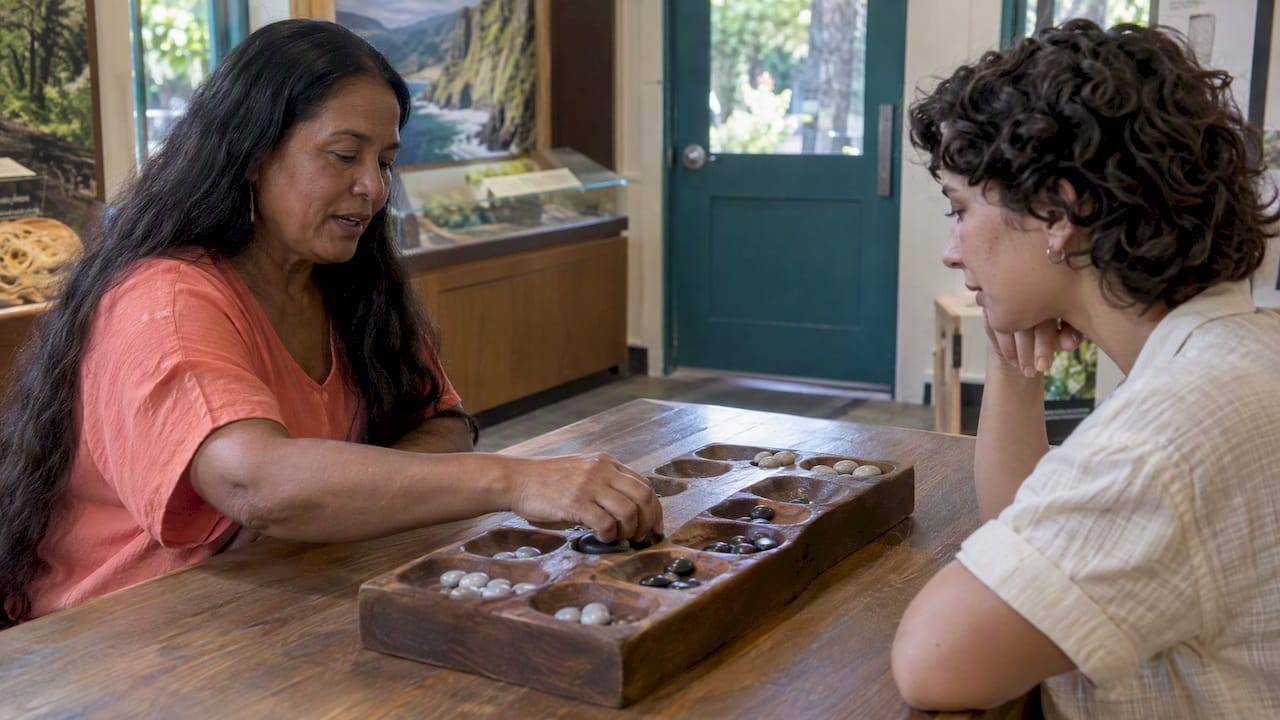
The National Park Service notes that culture in Hawaii is often best learned through place-based, hands-on activities such as demonstrations by cultural practitioners, rather than by reading plaques. It suggests checking park visitor center calendars for daily demonstrations. The same page points to games like kōnane, a traditional strategy game, as a tangible way in.
Ask who tells the story
Before booking anything cultural, ask a few simple questions. Who owns it? Who advised on the stories? Are the legends presented with context or just used as decoration? We cover this in more depth in our guide to Native Hawaiian owned tourist attractions and in why Hawaiian stories matter for travelers and locals.
Spread out, and skip the crush
The Tourism Authority encourages visitors to see the whole destination rather than only the best-known hotspots. If you like that mindset, the same logic applies to how you book. Skipping packed, one-size-fits-all bus itineraries is part of it, and there are practical alternatives to mass group tours in many destinations. Pick a few things you care about instead of ticking off ten.

Match the activity to the day
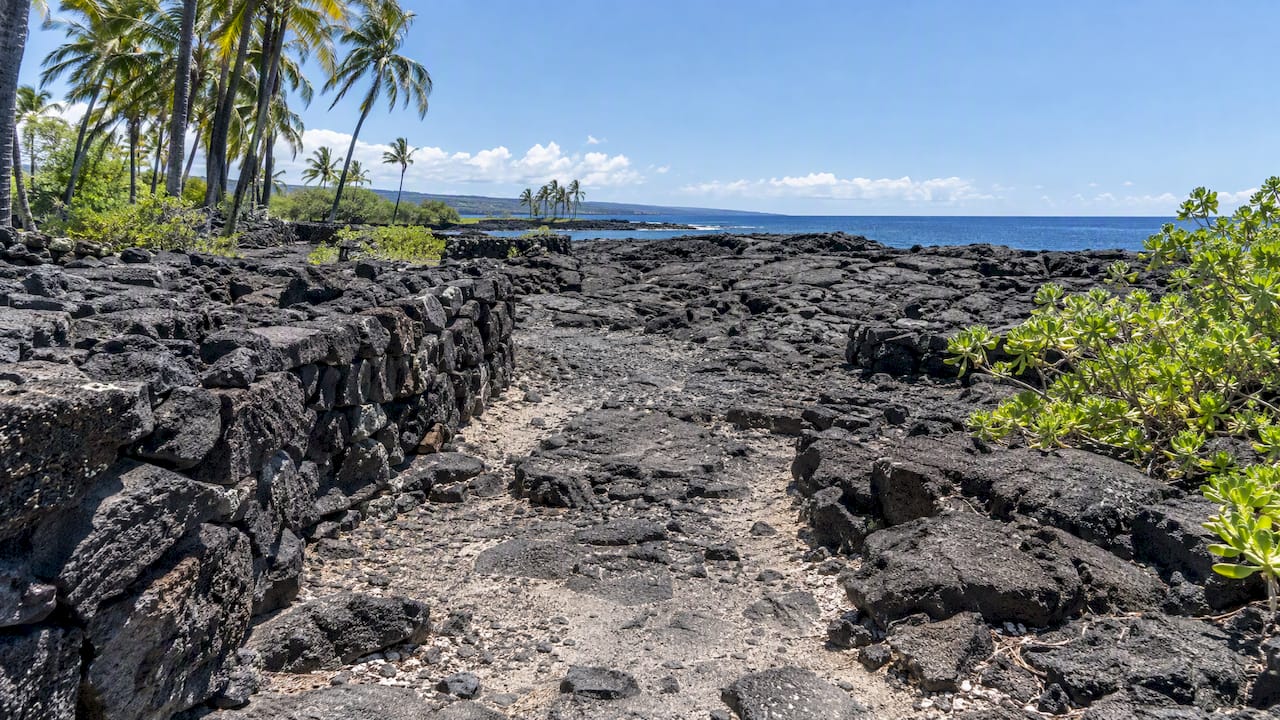
This is the part many visitors miss. Many cultural sites on the Kona side are open lava landscapes with little shade. The Park Service’s page on the Puʻuhonua o Hōnaunau walking tour shows the kind of exposed, historic ground you will be walking. A renewable trip is one you can sustain, and that includes your own energy. Heat, vog or a surprise downpour can end an outdoor day early and leave you reaching for whatever is nearest.
A renewable day in Kona
Here is a day that keeps the money local and your energy up.
- Morning outdoors. Visit Puʻuhonua o Hōnaunau or another cultural site while it is cool. Watch for ranger or practitioner demonstrations.
- Late morning, indoors. Walk to Flight of Aloha in Kailua-Kona for a flying ride over Hawaii in air-conditioned comfort.
- Lunch. Plate lunch, poke or musubi from a local spot.
- Afternoon. Swim, snorkel or browse the Aliʻi Drive shops once the heat has peaked.
Cruise visitors can use the same plan in shorter form. Flight of Aloha is within walking distance of Kailua Pier and the tender dock, so a quick shore excursion fits between tenders without a rental car or a shuttle.
A renewable day on Maui
On Maui, our second home is at Whalers Village in Kaanapali. A good rhythm is beach time early, when the sand is cool and the water is calm. Then shopping and lunch at Whalers Village, with a flight in the middle of the day when the sun is strongest or the clouds roll in. On a rainy Maui afternoon, it is a dependable plan that does not need a refund or a rebooking.
Where Flight of Aloha fits
Flight of Aloha is an immersive flying theater. You sit in a motion seat while 8K visuals, wind and scents carry you over Hawaii. Films are rooted in Hawaiian stories and places. The lineup includes Naupaka, Lahaina and Europe, along with others such as Whale Song.
We think it belongs near the top of any short list for a renewable trip, for these reasons:
- Native Hawaiian-owned. Your ticket supports a local, Native Hawaiian-owned business that works with local advisors and storytellers.
- Culture first. The films are built around Hawaiian legends and places rather than generic scenery.
- The smart alternative to a helicopter. You get sweeping aerial views without the motion sickness, and without a price that often runs to several hundred dollars a seat. Because the whole thing happens indoors, there is no fuel burn overhead and no engine noise over neighborhoods.
- Comfortable in any weather. It is a go-to plan for rainy days in Kona and Maui, and a cool, air-conditioned break from heat and vog.
- Accessible. We aim to be the most accessible activity on the islands, open to all ages and abilities. Our guide to accessible cultural storytelling in Kona and Kaanapali explains how that works.
Perspective: why we think about renewal
We are asked a lot whether a theater ride can be “cultural.” Our answer is that it depends on who tells the story and who benefits. We built Flight of Aloha so that Hawaiian legends are shared with care, with advisors and storytellers helping shape the films. We also wanted people who cannot hike a lava field, ride in a small aircraft or stand in the sun for hours to still meet Hawaii.
We do not see this as a replacement for the real places. We see it as a doorway. Many guests tell us they came in for the flying and left wanting to learn more, then went to a park ranger talk or a lei-making demonstration afterward. That is the cycle we hope for: curiosity that sends people back out into the community with more respect than they arrived with. Our piece on Hawaiian storytelling traditions for immersive trips goes deeper on that idea.
— Ola
Tickets and what they cost
Prices below are as published on our site. Single-film flights run $29.99 to $34.99. The Double Feature Flying Ride is $49.99 to $59.99. The VIP Package is $69.99 to $79.99. If you live on island or come back often, the Annual Pass is $200 per year.
| Option | Price (USD) | Best for |
|---|---|---|
| Single flight (Naupaka, Lahaina, Europe) | $29.99 to $34.99 | A quick, easy shore excursion or rainy-day break |
| Double Feature | $49.99 to $59.99 | Families wanting two films |
| VIP Package | $69.99 to $79.99 | Celebrations and a special-occasion visit |
| Annual Pass | $200 per year | Residents and repeat visitors |
Gift cards are also available through our homepage, which suits friends planning a Hawaii trip.
Making the rest of your trip renewable
A few habits go a long way:
- Choose local owners. Eat, shop and book with businesses based on the island you are on.
- Learn before you go. Read up on the sites you plan to visit, and follow posted rules and cultural protocols.
- Pace yourself. Fewer, better activities beat a packed schedule. Pair one outdoor outing with one indoor one.
- Keep learning at home. Our sustainable tourism in Hawaii attractions guide offers more ideas, and our Kailua-Kona local tips are written with residents in mind.
Traveling with kids? Our list of Hawaiian storytelling highlights every family can enjoy is a good next read.
FAQ
What does “renewable” mean?
It describes a resource that naturally replenishes, so it does not run out the way fossil fuels do. The EIA’s definition covers sources such as sun, wind and flowing water. The word has since been borrowed for travel, where it means experiences that replenish communities and culture.
What is the difference between sustainable and regenerative tourism?
Sustainable tourism tries to reduce harm. Regenerative tourism, which the Hawaii Tourism Authority is working toward, aims to leave communities and natural and cultural assets better off. For you as a traveler, the difference shows up in choices like local ownership and respectful cultural storytelling.
Is Flight of Aloha a good option on a rainy day?
Yes. It is indoors and air-conditioned, so rain, heat and vog do not change the experience. We have locations in Kailua-Kona and at Whalers Village in Kaanapali on Maui.
Is it close to the cruise ship dock in Kona?
Yes. We are within walking distance of Kailua Pier and the tender dock, which makes us an easy fit for a short port call.
Sources
- Renewable energy explained, U.S. Energy Information Administration
- Hawaiʻi Clean Energy Initiative, Hawaii State Energy Office
- Hawaiʻi’s Regenerative Tourism Movement, Meet Hawaii
- Experience Culture, U.S. National Park Service
- Play Kōnane, U.S. National Park Service
- Self-Guided Walking Tour, Puʻuhonua o Hōnaunau, U.S. National Park Service
Book online to secure your seat.