
102 Studies: How Heritage Tourism Delivers Socio Cultural Benefits
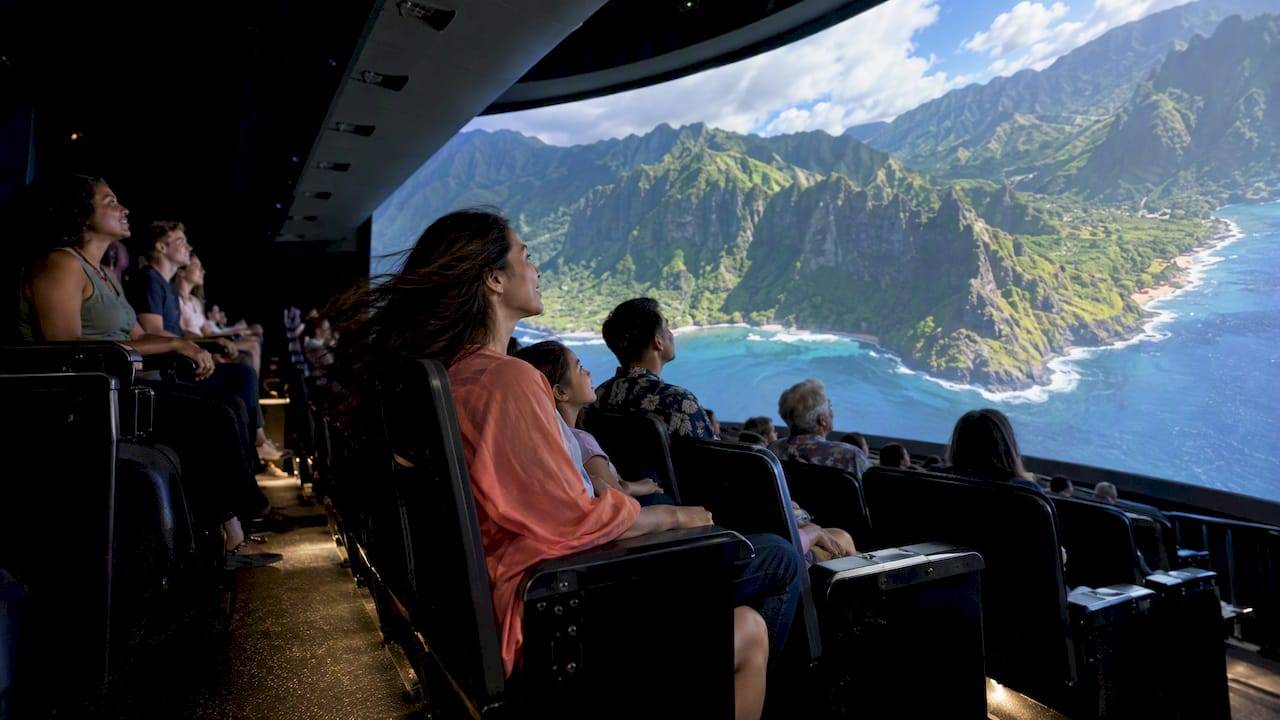
Tourism can preserve and revitalize culture, strengthen community identity, and fund local heritage when communities lead the process. The Advisory Council on Historic Preservation and the National Park Service both document this pattern across the United States, and we see it firsthand through our own immersive storytelling at Flight of Aloha. Done right, visitors become partners in keeping traditions alive rather than spectators watching them fade.
TL;DR:
- Heritage tourism funds restoration projects through visitor spending and grants, especially when local communities manage and benefit from the process.
- Active community participation and authentic governance are crucial to prevent commodification and ensure long-term cultural preservation.
- Visitors tend to spend more and stay longer at heritage sites, directly increasing funding for cultural revitalization and infrastructure improvements.
- Tourism risks include displacement of residents, loss of access to sacred sites, and profits leaving the community when governance is weak or outside interests dominate.
- Immersive experiences like Flight of Aloha offer affordable, culturally respectful ways to introduce visitors to Hawaiian legends, complementing but not replacing living traditions.
What counts as a socio-cultural benefit of tourism?
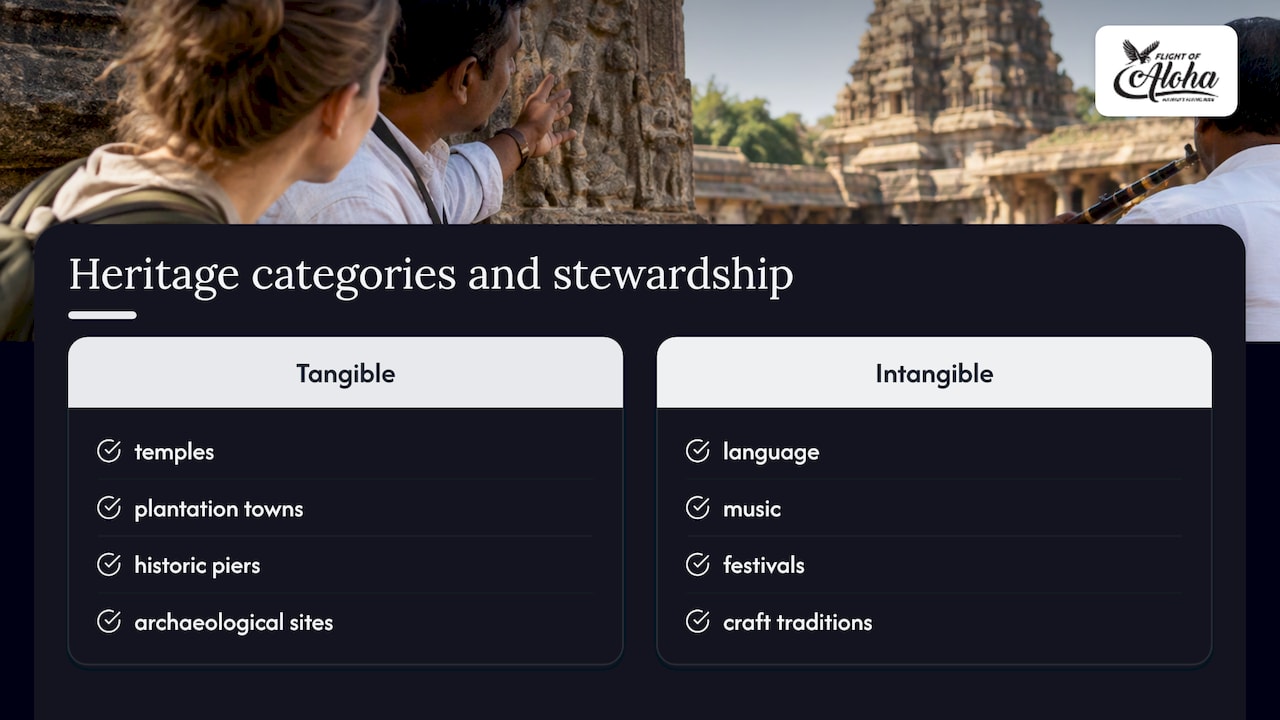
Socio-cultural benefits are the social and cultural gains a destination earns from hosting visitors, separate from pure dollars and cents. They split into two buckets: tangible heritage (temples, plantation towns, historic piers, archaeological sites) and intangible heritage (language, music, festivals, craft traditions, oral histories, culinary customs). Both matter, and both can erode without active stewardship.
The Heritage Tourism program at the Advisory Council on Historic Preservation frames this well: travelers drawn specifically to history and culture tend to stay longer and spend more at local businesses than general sightseers, and that extra spending often funds the very restoration work and community programming that keeps heritage sites standing. Longer stays, local spending patterns, resident participation in cultural events, and ongoing stewardship activity all serve as signals that tourism is building something lasting rather than just passing through.
UNESCO’s framework around cultural heritage protection has shaped how destinations worldwide think about this balance, pushing many toward heritage tourism as a formal category rather than an afterthought. A historic downtown with a walking tour, a living history farm, or a cultural center built around traditional storytelling all fall under that umbrella. So does an immersive attraction that uses modern technology to carry forward legends and places that might otherwise exist only in textbooks. The through line is intention: heritage tourism treats culture as something to protect and share, not as something to package and forget.
The main socio-cultural benefits worth knowing
When tourism is built around heritage rather than against it, the gains show up in several overlapping ways. Here is how the pieces fit together.
- Preservation and conservation funding: Visitor spending and matching grants, including Preserve America funds, have turned modest federal investment into larger restoration projects and civic programming at the local level.
- Cultural revitalization: Festivals, language programs, and craft traditions that had been fading often return to daily practice once there is renewed audience interest and a reason to keep teaching them.
- Support for artisans and cultural small businesses: Craftspeople, performers, and small cultural operators gain steady customers, which keeps traditional skills economically viable instead of purely ceremonial.
- Social cohesion and civic pride: Shared events, from parades to storytelling nights, give residents a reason to gather and a source of pride in showing visitors what makes their home distinct.
- Infrastructure that serves residents too: Interpretation centers, improved transit, and public spaces built for visitors frequently become everyday community assets.
- Cross-cultural understanding: Visitors who engage with local stories and customs tend to leave with more respect for the place, which reduces friction between hosts and guests over time.
- Reinvested identity and resilience: When tourism revenue cycles back into local hands, communities build a stronger, more durable sense of place rather than a diluted one.
A systematic review of 102 studies across six World Health Organization regions found heritage tourism delivering real gains in culture rejuvenation and local infrastructure, alongside a clear warning: these benefits depend heavily on whether host communities actually have a seat at the table. Our guide to the advantages of cultural tourism digs deeper into how these pieces connect for communities building a tourism strategy from scratch.
Pro Tip: Look for destinations where cultural events are run by local organizations, not outside operators. That ownership usually predicts whether the benefits above actually reach residents.
How tourism revenue turns into cultural outcomes
The path from a visitor’s ticket purchase to a restored heritage site or a revived festival runs through a few specific channels.
- Admission fees and visitor spending flow into conservation budgets, often matched by grants from agencies like the Advisory Council on Historic Preservation, funding restoration work that would otherwise stall.
- Festivals and markets create recurring demand for intangible heritage, giving performers, musicians, and craftspeople a reason to keep practicing and teaching their skills.
- Capacity building happens when attractions hire locally and build supply chains with regional artisans, spreading economic benefit beyond a single ticket counter.
- Interpretation and visitor education shape how respectfully guests engage, turning a casual stop into a meaningful cultural exchange.
- Regional partnership models, like the National Heritage Area approach the National Park Service highlights in places like Wheeling and Niagara, spread visitor traffic and benefit across a wider area instead of concentrating it at one overloaded site.
Our own post on heritage tourism funding preservation walks through how these revenue mechanisms work in practice, including why skipping a $400 helicopter tour in favor of a grounded, culturally rooted experience can still fund the same kind of preservation work.
What makes these benefits stick around
Good intentions do not guarantee good outcomes. The research is consistent on this: participation and governance decide whether tourism helps a culture or hollows it out.
- Community participation: Co-governance structures and clear benefit-sharing agreements keep decision-making with the people whose heritage is on display.
- Authenticity governance: Communities that control their own narratives avoid the trap of staged, tourist-only performances that feel hollow to visitors and residents alike.
- Local hiring and reinvestment policies: Requiring that a share of tourism revenue stays local, through jobs or reinvestment funds, builds durable economic participation.
- Year-round infrastructure: Visitor centers and transit built to also serve residents daily make the investment worth it even in slow tourist seasons.
- Social wellbeing monitoring: Tracking health, access, and livelihood indicators alongside visitor counts catches problems before they become crises.
Practitioner insights echo this: tourism programs that hand locals governance rights over interpretation and revenue allocation see less commodification and more cultural continuity than top-down operations. Our piece on cultural heritage, identity, and community explores why that sense of ownership matters so much to long-term outcomes.
Pro Tip: Ask who wrote the signage at a cultural site. If it is the community’s own historians and elders rather than an outside marketing team, you are likely looking at a well-governed attraction.
Real examples of heritage tourism in action
Documented cases make this less abstract. The Advisory Council on Historic Preservation’s Preserve America grants show small federal investments leveraging larger local economic and civic wins through matching funds and community-led projects. The National Park Service’s work on National Heritage Areas points to Wheeling and Niagara as places where regional partnerships diversified visitor flows and stimulated local business rather than funneling everyone to a single overcrowded landmark.
- Heritage areas that pair conservation funding with community programming consistently show stronger civic pride outcomes than sites preserved in isolation.
- Hybrid infrastructure, like visitor centers that double as community meeting spaces, extends the useful life of tourism investment well past peak season.
- Cultural tourism projects built around participatory local planning tend to perform better on inclusion and resilience than those designed without resident input.
One documented pattern stands out: heritage visitors stay longer and spend more than general tourists, and that extra spending is a repeatedly cited driver of conservation funding.
The immersive flying theater attractions are built around films that bring Hawaiian legends and places to life through 8K visuals, motion, scent, and wind, designed to carry stories that might otherwise stay confined to books or oral tradition into a format visitors of all ages can experience directly. An attraction like ours cannot replace a heritage site or a living festival, but it can introduce visitors to a place’s stories before they ever set foot on a trail or in a museum, which is its own small contribution to cultural transmission and visitor education.
Where tourism gets culture wrong
None of this works automatically, and the same research that documents the benefits is just as clear about the risks. Commodification, staging, displacement, and unequal benefit capture show up repeatedly when tourism is built without community input.
- Commodification and staging: Traditions performed only for tourists, stripped of their original meaning, tend to feel hollow and erode over time.
- Displacement and lost access: Residents can lose access to land, housing, or sacred sites when tourism infrastructure expands without local protections.
- Unequal benefit capture: Outside ownership and short-term investment focus often mean profits leave the community instead of funding local priorities.
- Weak governance: Without inclusive decision-making, the same systematic review that documents tourism’s benefits also notes increases in crime and loss of livelihoods in poorly managed destinations.
The fix is not avoiding tourism. It is building governance, diversified local livelihoods, and protective regulations into the plan from day one, so that the people whose culture is on display stay in control of how it is shared.
Our take on authentic storytelling in tourism
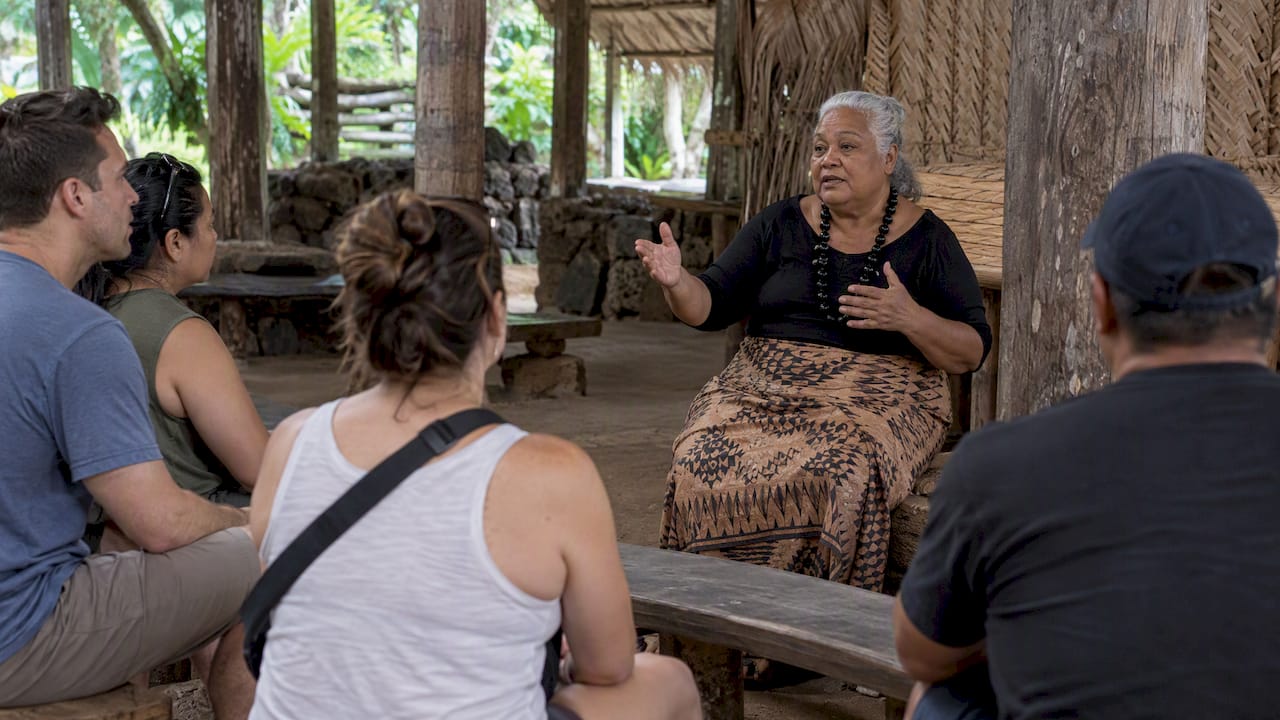
We built Flight of Aloha around a simple belief: cultural storytelling works best when the people who hold that culture help tell it. We work with local advisors and storytellers to shape films like Naupaka and Lahaina, because a legend told without input from the community it belongs to usually feels thin, no matter how good the visuals are.
Immersive attractions will never replace a living heritage site, a hula hālau, or a kumu passing down oral history firsthand. But we think they can play a useful supporting role, giving visitors a respectful introduction to a place’s stories before they explore further, and giving residents a platform that treats their culture with the weight it deserves rather than reducing it to a photo backdrop.
— Ola
Experience Hawaiian storytelling without the helicopter price tag
The experience is designed as an accessible cultural alternative in Kona and Maui, with no flight training, no motion sickness risk, and no expensive helicopter ticket required to see Hawaii’s coastline and legends from above. One location is near Kailua Pier and the tender dock, making it an easy stop for cruise visitors with just an hour or two ashore. Another location offers the same immersive format for visitors on that side of the islands.

When Kona’s skies open up or Maui’s heat and vog make outdoor plans miserable, our theaters offer the best air conditioning in town alongside a show that still delivers the feeling of flight. As a Native Hawaiian-owned attraction, we built Naupaka, Lahaina, and Europe around real places and legends, with motion effects, scent, and wind layered into 8K visuals for a sense of flying over Hawaii that does not depend on clear weather.
| Experience | What it includes | Price |
|---|---|---|
| Naupaka | Single immersive flight film | $29.99 to $34.99 |
| Lahaina | Single immersive flight film | $29.99 to $34.99 |
| Double Feature Flying Ride | Two flight films in one visit | $49.99 to $59.99 |
| VIP Package | Premium seating and extras | $69.99 to $79.99 |
| Annual Pass | Unlimited visits for a year | $200 per year |
Book online to secure your seat.
FAQ
What are the socio-cultural benefits of tourism?
Tourism can preserve historic sites, revitalize festivals and crafts, strengthen community identity, and improve shared infrastructure like transit and interpretation centers. The Advisory Council on Historic Preservation documents these outcomes as consistent results of heritage-focused tourism when communities lead the planning.
How does tourism help preserve cultural heritage?
Visitor spending and matching grant programs fund restoration of historic sites and ongoing cultural programming, since heritage-focused travelers tend to stay longer and spend more at local businesses. A systematic review of 102 studies confirms this pattern while noting that success depends on including host communities in governance.
Can tourism cause harm to local culture?
Yes, tourism can lead to commodification, displacement, and unequal benefit capture when communities are excluded from decision-making. The same systematic review found both positive outcomes and real risks, including restricted access and lost livelihoods, tied directly to how inclusive the governance process is.
What is heritage tourism and how is it different from regular tourism?
Heritage tourism specifically centers trips around historic sites, traditions, and cultural storytelling rather than general sightseeing or recreation. The National Park Service highlights regional models like National Heritage Areas that spread these cultural and economic benefits across whole communities rather than a single site.
Is Flight of Aloha a good option for experiencing Hawaiian culture?
Flight of Aloha is a Native Hawaiian-owned immersive flying theater in Kailua-Kona and Whalers Village Kaanapali Maui, built around cultural storytelling films like Naupaka and Lahaina. It offers an accessible, weather-proof way to engage with Hawaiian legends and places, with tickets starting at $29.99.
Sources
- Heritage Tourism | Advisory Council on Historic Preservation
- Exploring the relationships between heritage tourism, sustainable community development and host communities’ health and wellbeing: A systematic review
- Tourism and Community Character (U.S. National Park Service)