
Visitor Parking Guide for Kona and Maui
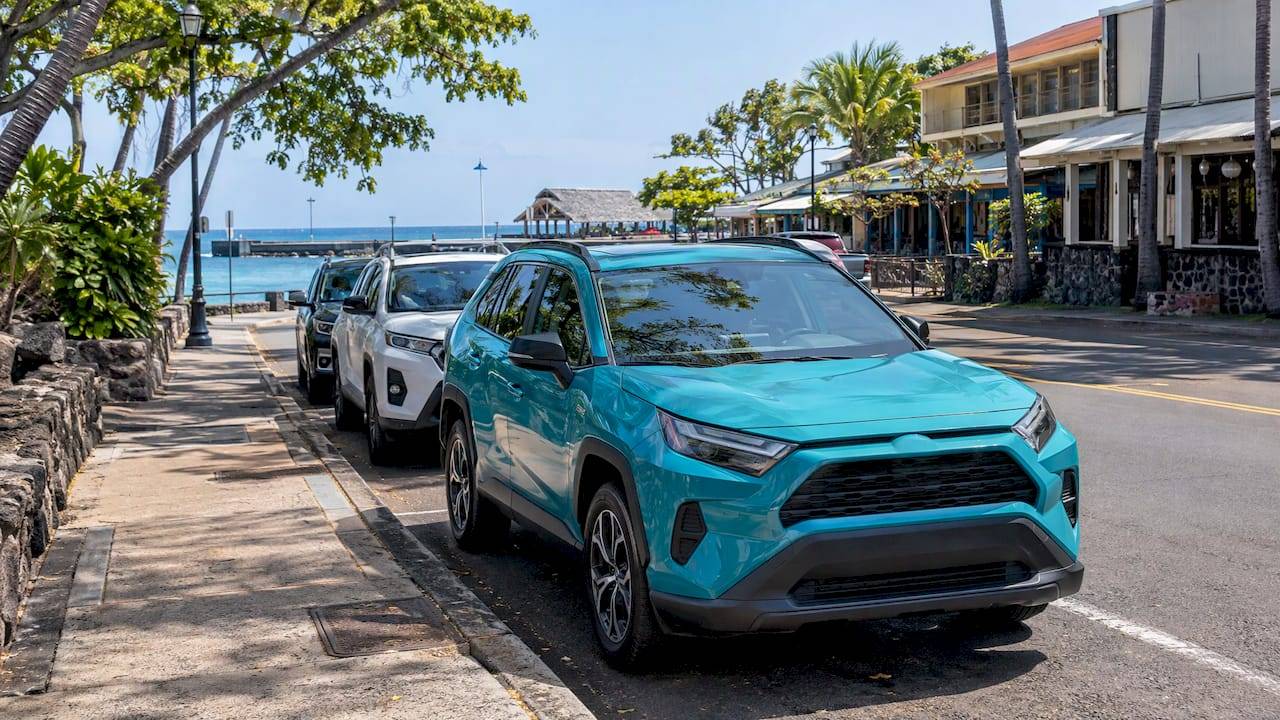
Parking in Kona and on Maui is easy once you know the pattern. Downtown Kailua-Kona has a mix of paid lots and limited street spaces near the pier. Kaanapali has a paid garage at Whalers Village. Many Maui beaches and state parks now use pay-by-app or advance online reservations for non-residents. Plan your parking before you leave the hotel and the rest of your day gets a lot calmer.
We are Flight of Aloha, a Native Hawaiian-owned flying theater in Kailua-Kona and at Whalers Village in Kaanapali. Our guests ask us about parking every day, so this guide covers what we know, what the official sources say, and how to build a day around it.
TL;DR
- In Kona, the walkable pier area is the easiest base: leave the car at your hotel or in a lot, and walk to the waterfront and to Flight of Aloha.
- At Whalers Village in Kaanapali, the garage costs $8 per hour with a $50 daily maximum, and validation is available with a minimum purchase at its stores and restaurants.
- Maui’s Park Maui system charges non-residents $10 daily, $50 weekly or $150 monthly at its beach locations.
- State parks such as Kekaha Kai and ʻĪao Valley have their own fees and, at ʻĪao Valley, advance reservations for non-residents.
- Cruise guests can skip the car entirely. Our Kona theater is a short walk from Kailua Pier.
How parking works in Kona and Maui
The islands handle visitor parking in four ways, and you will meet all of them on one trip.
- Private and commercial lots and garages. Shopping centers and downtown lots charge by the hour or by the day. Whalers Village in Kaanapali is the example most Maui visitors meet.
- County beach and park lots. On Maui, many are managed through the Park Maui program, with different treatment for residents and non-residents.
- State parks and monuments. These charge per vehicle, per person, or both, and some require a reservation made online.
- Street parking. It is limited near busy waterfronts. Time limits, loading zones and local rules change, so read the posted signs every time.
The common thread: non-residents usually pay, and the way you pay is increasingly digital. Keep your phone charged and your card handy. Some lots are credit card only.
Parking in Kailua-Kona
Kailua-Kona’s historic waterfront is compact, and that is the good news. The pier, Ali‘i Drive, shops, snacks and our theater all sit within a short stroll. The tricky part is that everyone wants a space in the same few blocks.
Near Kailua Pier and Ali‘i Drive
Parking close to the pier has been a talking point for years. Hawai‘i County has trialed turning part of Ali‘i Drive, from the pier to Hualālai Road, into a one-way road to create roughly 50 free street spaces, with the possibility of two-hour limits. Because trials get extended, changed or ended, treat that as background and look at the signs on the street when you arrive.
A few habits help here:
- Arrive early. Mornings give you the widest choice of spaces, and you will beat the midday heat.
- Read every sign. Look for time limits, loading zones and any resident-only notes before you walk away from the car.
- Budget extra minutes. Circling for a space on a busy Saturday eats into your day. A show that starts at a set time is easier to hit when you aren’t hunting for a spot.
- Consider leaving the car. If your hotel is within a short ride, a rideshare or shuttle to downtown can be less stressful than the hunt.
Kekaha Kai State Park and Kona’s beaches
Kona’s famous beaches are a different story from downtown. At Kekaha Kai (Kona Coast) State Park, non-resident vehicles pay a $10 parking fee and each non-resident adult pays a $5 entrance fee, by credit card only. Bring a card, not cash, and plan to pay for each person in your car. The State Parks division lists current details on that page, so check it before a beach day.
Walking from the cruise ship
If you arrive by ship, you probably do not need a parking plan at all. Ships anchor off Kailua-Kona and guests come ashore by tender to the pier. Flight of Aloha in Kailua-Kona is walking distance from Kailua Pier and the tender dock, so a quick shore excursion fits without a rental car, a shuttle or a parking fee. Our guide to walkable shore activities in Kailua-Kona lays out an easy on-foot afternoon, and our cruise-friendly ticket guide explains how to book ahead so you walk right in.
Parking in Kaanapali and West Maui
Kaanapali is built around its beachfront and its resorts, and parking tends to follow resort and shopping center rules rather than county ones.
Whalers Village garage
Whalers Village is at 2435 Kaanapali Parkway. According to the center, parking in the garage is $8 per hour, with a maximum of $50 per day. Validation is available with a minimum purchase at the center’s stores and restaurants. The garage sits on the north side of the center, and the surface lot on the south side has limited space. The center is open 9 a.m. to 9 p.m. daily, according to its own page.
Because fees are hourly, timing matters. A morning of shopping and a show costs far less than an all-day stay. If you are staying at a Kaanapali resort, walking or taking a shuttle along the beach path often beats paying for the garage altogether. Check the Whalers Village page for the latest rates and validation rules, since they can change.
Our Maui theater is inside Whalers Village, so you can fold a flight into a stop that already includes lunch, shopping and the beach. Plan your parking length around a visit of a few hours, and you will avoid paying for hours you do not use.
Lahaina and the rest of West Maui
Lahaina is rebuilding and visiting patterns keep changing. Before you drive into town, check current county and local guidance for road access and public lots. If you want to experience Lahaina’s story in a respectful, uplifting way, our Lahaina flight film is available at our Kaanapali location.
Maui’s Park Maui system and beach parking
Maui has been rolling out a managed parking program at popular beach locations. Here is what the official and news sources say:
- Non-residents pay $10 daily, $50 weekly or $150 monthly, and passes are available through the Park Maui app and at pay stations.
- The program launched July 15 at the paved Kamaole I and III lots in Kihei, with free daily parking for residents and ticketless options for visitors.
- At Park Maui-managed beach locations, weekend and county-observed holiday parking may be reserved for Hawaii residents only before 10 a.m.
The takeaway for visitors: download the app before you reach the beach, because cell service at some lots can be spotty. Plan a weekend beach visit for after 10 a.m., or choose a weekday. Weekly passes make sense if you will visit several managed beaches during a week-long stay.
Pā‘ia and informal lots
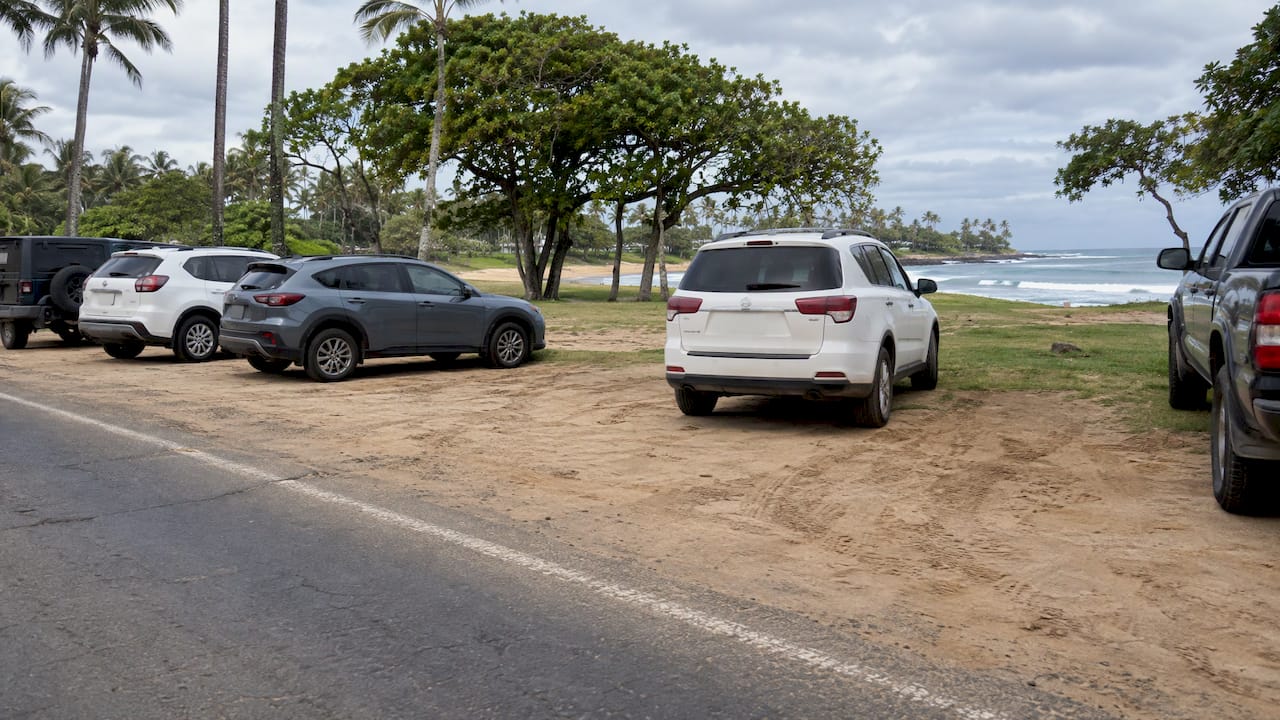
Some Maui beach parks have shoulder and sand-lot parking rather than marked garages. H.A. Baldwin Park in Pā‘ia, for example, has shoulder parking for roughly 100 cars and an unmarked sand lot with about 70 spaces. Informal lots fill early, so the same rule applies: arrive early, park fully off the roadway, and never leave valuables visible in the car.
ʻĪao Valley: reserve first
Some places will not let you simply drive up. For ʻĪao Valley State Monument, non-residents must reserve entry and parking in advance through the State Parks online portal. Book your slot before you go, and have the confirmation on your phone. Our guide to making attraction reservations in Hawaii walks through the habit of booking early, and it applies to more than parks.
Parking costs at a glance
| Location | What visitors pay | How to pay |
|---|---|---|
| Whalers Village garage, Kaanapali | $8 per hour, $50 daily maximum, validation with minimum purchase | At the garage |
| Park Maui beach locations | $10 daily, $50 weekly, $150 monthly for non-residents | Park Maui app or pay stations |
| Kekaha Kai State Park, Kona | $10 per vehicle plus $5 per adult for non-residents | Credit card only |
| ʻĪao Valley State Monument | Advance reservation required for non-resident entry and parking | State Parks online portal |
| Ali‘i Drive, Kailua-Kona | Street spaces subject to posted rules | Read posted signs |
Rates and rules change. The sources linked above are the place to confirm them before your trip.
Rainy days, heat and vog: a parking plan that keeps you comfortable
A parking plan is also a weather plan. A beach lot with no shade and a forecast of showers is a bad bet. Kona’s vog and midday heat can make a long walk from a far-off space feel longer than it is.
This is where an indoor activity earns its place. On a rainy day in Kona or Maui, or when vog and heat make the outdoors tiring, our air-conditioned theaters give you a cool, comfortable break. You can park once, walk in, and enjoy a flight over the islands without getting wet or sweaty. We designed the experience to be comfortable for all ages and abilities, so grandparents and little ones can ride together.
Planning for families, groups and accessibility
Big groups make parking harder, and the best fix is to reduce the number of stops.
- Pick one anchor. Park once, then walk to a few things. Downtown Kona and Whalers Village both suit this.
- Drop off first. Let strollers, grandparents and kids out near the entrance while the driver parks.
- Carpool where you can. One van beats three cars in a paid garage.
- Plan accessible parking ahead. County and state pages list accessible parking for specific parks, so check the venue’s page for the closest accessible spaces and routes before you go.
- Allow buffer time. A show with a start time is stress-free when you arrive 15 minutes early.
We take pride in being the most accessible attraction in the islands. That means indoor comfort, no height drama, and a ride that families with different ages and abilities can share.
Our perspective
We hear it from guests all the time: the best part of a Hawaii trip is the moment you stop worrying about logistics. Parking, traffic, weather and long lines are the things that pull you out of that moment.
That is why we built Flight of Aloha to be easy. Our theater in Kailua-Kona is a short walk from Kailua Pier and the tender dock, so cruise guests can fit it into a few hours ashore. Our Kaanapali theater sits inside Whalers Village, a single stop that already has food, shops and the beach nearby.
We are Native Hawaiian-owned, and our films are rooted in Hawaiian stories and culture. We think a flight over the islands should be something everybody can do. Compared with a helicopter tour, our flying theater gives you the sweep of the landscape without a $400 ticket and without worrying about motion sickness. It is comfortable, indoors and air-conditioned, which makes it a favorite on rainy days and when the heat or vog is up.
Park once, walk in, and let us take you flying.
Ola
Sample plans: park once, do more
A cruise day in Kona
Tender in to Kailua Pier and walk the waterfront. Visit our theater for a flight, then browse shops and grab a snack on Ali‘i Drive. You never need a car, and you can be back at the tender dock with time to spare. Our Kona flying ride page has the details.
A rainy day in Maui
Drive to Kaanapali and park in the Whalers Village garage for just the hours you need. Catch a show, have lunch and wait out the weather indoors. If you validate with a purchase at a store or restaurant, you may lower your parking cost, so check the center’s current rules.
A beach morning, then a cool-down
Hit a Park Maui beach early, after the weekend 10 a.m. window if it applies, and use the app to pay. Head to an indoor attraction for the hottest part of the afternoon. If you are exploring more of the island, our list of must-visit places in Maui can help you stitch the day together.
What to book at Flight of Aloha
Our single flights, including Naupaka, Lahaina and Europe, range from $29.99 to $34.99. The Double Feature Flying Ride is $49.99 to $59.99, and the VIP Package is $69.99 to $79.99. If you will visit more than once, the Annual Pass is $200 per year, and our annual pass step-by-step guide explains how it works.
You feel eight-K visuals, wind, scents and motion as you soar over Hawaii, with cultural storytelling woven through each film. Think of it as a helicopter tour and a theme park ride sharing a story rooted in aloha, without a tarmac or a hefty bill.

Guests with several days on the islands can also compare options in our guide to Hawaii annual passes. Book online to secure your seat.
Where to check current rates and rules
Parking details change more often than anything else in a trip plan. Before you go:
- For Park Maui beach lots, check the Park Maui beaches page for fees and passes.
- For state parks, use the Division of State Parks pages, such as the one for Kekaha Kai or ʻĪao Valley.
- For the Kaanapali garage, see the Whalers Village visit page.
- For county facilities, use the Maui County facilities listings.
- Always read posted signs on arrival, because they override anything you saw online.
FAQ
Is parking free in Kailua-Kona?
Some street spaces near the waterfront are free, and the county has trialed adding more on Ali‘i Drive, but spaces are limited and posted rules apply. Paid lots and garages are also available. Read the signs and arrive early for the best choice.
How much does it cost to park at Whalers Village in Kaanapali?
The center lists garage parking at $8 per hour with a $50 daily maximum. Validation is available with a minimum purchase at its stores and restaurants. Check the Whalers Village page for the latest rates before you go.
Do I need a car if I am visiting from a cruise ship?
Not for downtown Kona. Ships tender guests to Kailua Pier, and our theater is within walking distance of the pier and tender dock. That makes a quick shore excursion easy with no parking to worry about.
How do non-residents pay for beach parking on Maui?
At Park Maui locations, non-residents pay $10 daily, $50 weekly or $150 monthly through the Park Maui app or at pay stations. Some state parks differ, so check each park’s page. Kekaha Kai on the Big Island takes credit cards only.
What is a good indoor activity on a rainy or vog-heavy day?
An air-conditioned attraction lets you park once and stay comfortable. Our flying theaters in Kailua-Kona and Kaanapali are indoors and designed for all ages and abilities.
Sources
- Whalers Village: Visit and parking information
- Park Maui: Beaches
- Kekaha Kai (Kona Coast) State Park, Division of State Parks
- New Park Maui program starts Wednesday at Kamaole I, III
- ʻĪao Valley State Monument, Division of State Parks
- Facilities, Maui County
- Trial run: Ali‘i Drive being turned into one-way road for free public parking in Kona