What Is Visitor Engagement at Hawaii’s Best Attractions?
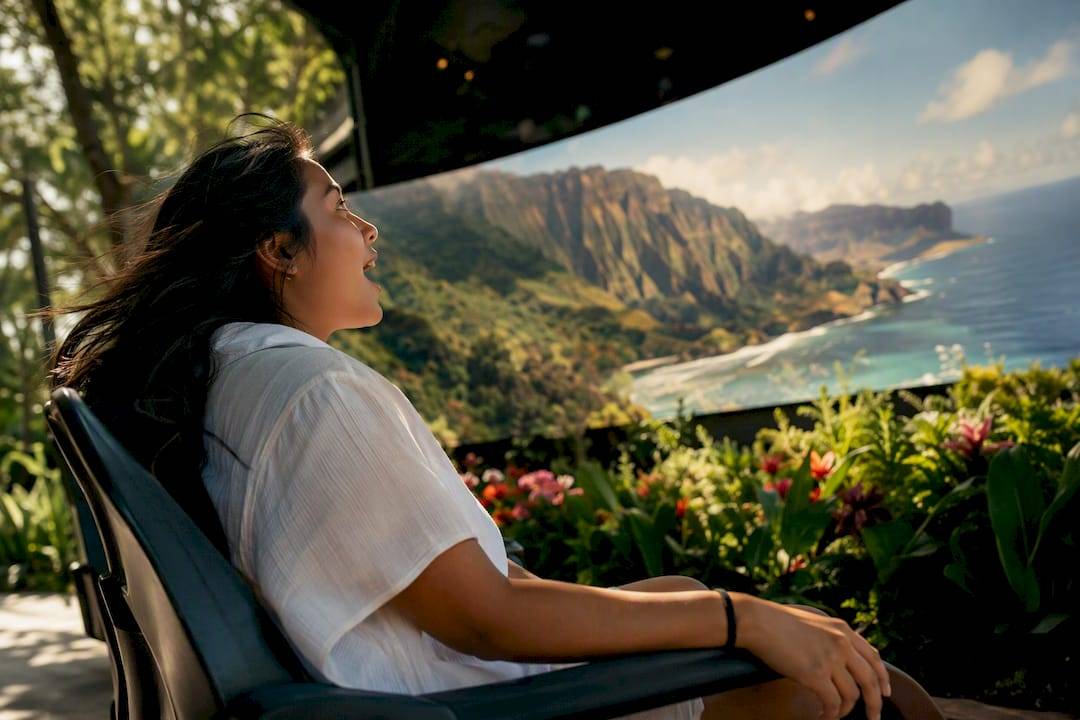
Visitor engagement at an in-person attraction is the degree to which the experience makes guests feel, act, and remember, through story, multisensory cues, and participation. It is not the same as a flashy screen or a big-budget stunt. A place can spend a fortune on effects and still lose a family’s attention in the first five minutes if the story does not land.
Why should you care before you buy a ticket? Because engagement is what separates an activity you talk about for years from one you forget by dinner. Research from Gensler on immersive design identifies storytelling, sensory design, and participant agency as the combined ingredients that make an experience actually land with a guest.
Before you commit your vacation hours (and your money) to any Kona activity, run these three checks:
- Are you asked to do something, not just watch? Even a small task, like leaning into a turn or answering a guide’s question, signals real participation.
- Do the sensory cues match the story? Wind, scent, and sound should feel synchronized, not slapped on top of the visuals.
- Do people leave talking? Genuine engagement shows up as visible emotion: gasps, laughter, or a kid immediately asking to go again.
Key Takeaways
Genuine visitor engagement depends on story clarity, synchronized multisensory cues, and real participation, not on screen size or effect count alone.
| Point | Details |
|---|---|
| Definition matters | Engagement means guests feel, act, and remember, driven by story, senses, and participation working together. |
| Story beats spectacle | Attractions that use technology to support a clear narrative arc outperform those that lean on effects alone. |
| Check sensory sync | Watch for scent, wind, and motion cues that land in time with the visuals, not a beat behind. |
| Measure with pairs | Dwell time alone is unreliable; pair it with participation rate and completion rate for a real signal. |
| Flight of Aloha fits the checklist | Our flying theaters in Kailua-Kona and Whalers Village Kaanapali pair story-driven films with climate-controlled comfort, offering aerial-style thrills without the $400 helicopter price tag. |
What Makes an Attraction Engaging, Not Just Loud
Story is the backbone. Every immersive experience worth your vacation time follows a clear arc: a beginning that sets stakes, a middle that builds tension, and an ending that resolves it emotionally. Without that structure, even the best 8K screen or motion rig feels like a demo reel, not a memory. Harvard Business Review’s analysis of immersive experiences makes a point worth remembering before you spend $200 on a family outing: technology that serves the story wins, while technology used to distract from a weak story usually falls flat.
Social and empathic hooks matter almost as much. When a cast member treats you like part of the story, rather than an audience member watching from a distance, your brain treats the experience differently. Academic work on immersion backs this up: a comprehensive framework published in Nature names social and empathic immersion, alongside narrative and bodily immersion, as core facilitators of total engagement.
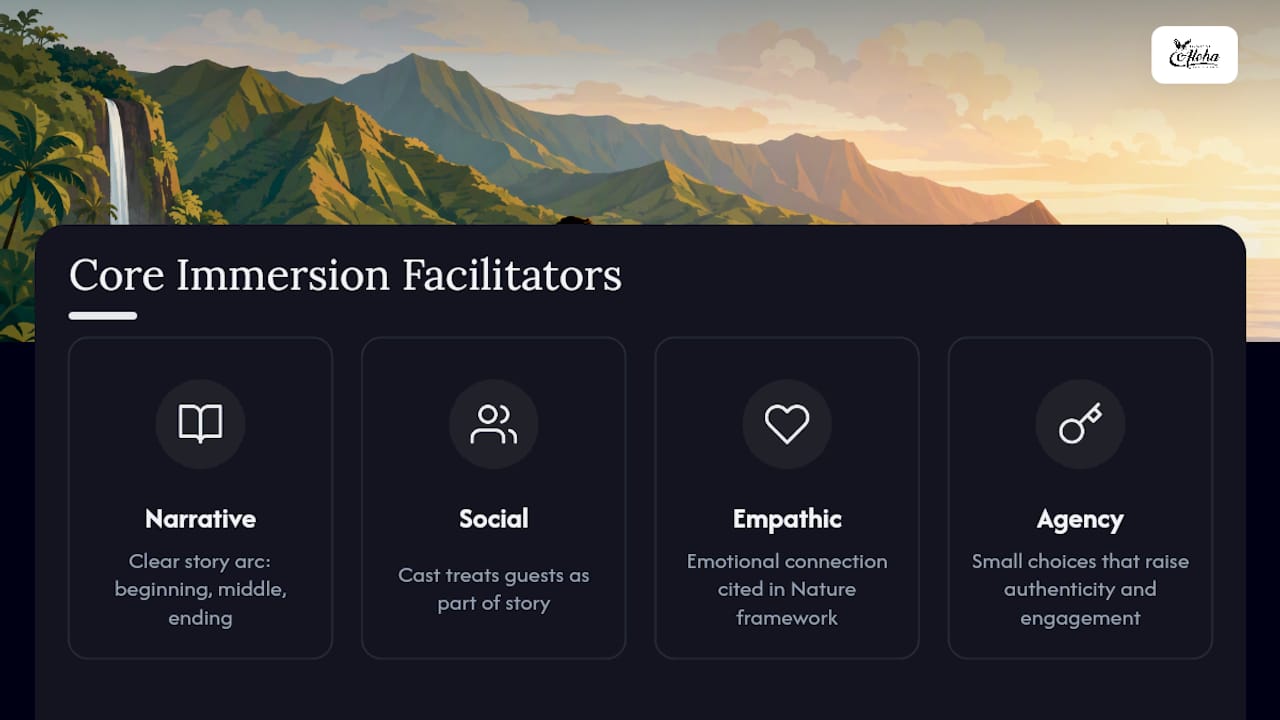
Agency seals the deal. Giving guests small choices, a task, a direction to look, a decision that seems to matter, turns a passive audience into active participants. Studies on interactive technology in visitor settings found that interactive elements like this raise perceived authenticity, which in turn drives both engagement and satisfaction.
Pro Tip: Ask yourself one question during any Hawaii attraction: “Am I a character in this story, or just watching one?” If the answer is the second, you are probably overpaying for the ticket.
The Sensory Signals That Make Immersion Feel Real
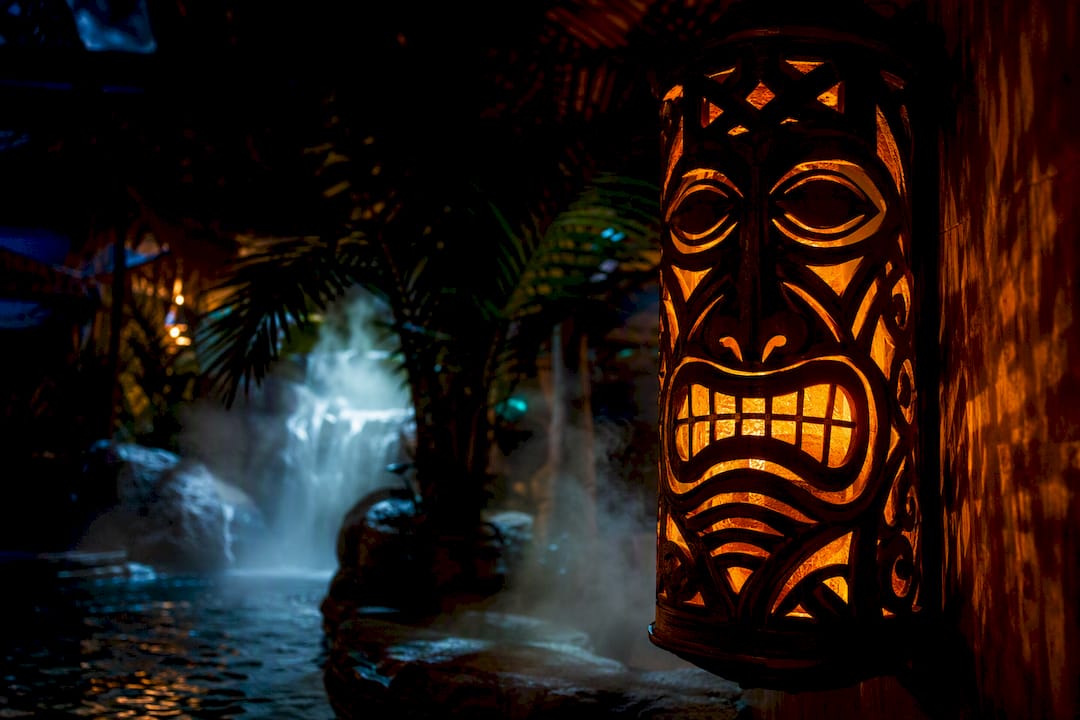
Multisensory design is what makes a Hawaiian legend feel like you are living it rather than watching it. But sensory overload can ruin an experience just as easily as sensory neglect. The best attractions layer sound, scent, motion, and temperature with real discipline.
Audio clarity matters more than most guests realize. Attractions that use sonic orchestration, meaning sound designers deliberately spread effects, music, and dialog across different frequency bands, keep the narration clear even when wind machines and rumble seats are running. Industry design writing at blooloop explains that this technique reduces cognitive load and prevents the show from becoming a wall of noise, an effect most visitors notice as “clarity” without knowing why.
Scent and temperature cues carry surprising weight for memory. One industry survey cited in trade coverage found that 78% of event planners believe multisensory elements make experiences more memorable, a number that tracks with why a whiff of plumeria or a cool ocean breeze during a flight scene sticks with you longer than the visuals alone.
Timing is the quiet variable that breaks or makes immersion. A scent that arrives half a second after the visual cue, or a motion jolt that lands before the sound, tells your brain something is fake. Watch for:
- Wind, mist, or motion that hits in sync with what’s on screen, not a beat behind it.
- Temperature shifts (cool mist for a waterfall scene, warm air for a lava scene) that match the story moment.
- Smooth queue-to-seat timing with no long dead air between shows.
Simple Checks To Run Before, During, And After The Show
You don’t need an engagement dashboard to judge whether an attraction is worth your ticket. You need about 90 seconds of attention at three points in your visit.
- At arrival: Look at the queue theming, signage, and staff. Clear directions, themed queue areas, and accessible seating options signal an operator who thought through the whole visitor path, not just the main event.
- During the show: Notice whether you’re prompted to participate, whether scent and motion cues land in sync with the visuals, and whether the dialog stays clear over the sound effects.
- After the show: Pay attention to your own reaction. Are you smiling? Reaching for your phone to text a photo? Asking your kids what their favorite part was? That instinct to share is one of the most reliable engagement signals there is.
Accessibility deserves its own check, especially if you’re traveling with young kids, older relatives, or a tight cruise schedule. Ramped entry, clear wait-time signage, and climate-controlled indoor seating all reduce the friction that keeps families from actually enjoying the show instead of just enduring it.
Pro Tip: If you only have time for one check, make it the “after” one. Genuine emotional reaction after the lights come up is harder to fake than a flashy queue area.
How Operators Actually Measure Engagement
Attraction operators do not rely on a single number to know whether a show works. A practical measurement model built around 360-degree immersive projection breaks engagement into four layers: exposure, participation, quality, and business impact.
- Exposure tracks how many people encounter the experience at all, ticket sales, foot traffic near the entrance.
- Participation measures active involvement, how many guests respond to prompts, use interactive elements, or complete the full show without leaving early.
- Quality covers the guest’s subjective experience, often gathered through short post-show feedback rather than a long survey.
- Business impact ties engagement to results operators actually care about, repeat visits, referrals, and annual pass renewals.
Dwell time alone is a weak signal. A guest can sit through a whole 25 minute show and feel nothing. Pairing dwell time with participation rate and completion rate gives a far more honest picture of whether people were actually engaged or just seated. For families and cruise passengers on a tight schedule, one operational detail matters just as much as any engagement score: steady throughput. Long unexplained waits and unclear signage usually point to deeper problems with how the whole visitor experience is designed, not just the show itself.
Flight of Aloha: How We Design Engagement In Kona And Whalers Village Kaanapali
Every checklist in this guide, story clarity, synchronized sensory cues, and real participation, is the exact framework Flight of Aloha built its shows around. Our flying theater experiences in Kailua-Kona and Whalers Village Kaanapali use 8K visuals, motion effects, scents, and wind synced to Hawaiian legends like Naupaka and Whale Song, so the sensory layer supports the story instead of competing with it.
Comfort and accessibility were not an afterthought. As a Native Hawaiian-owned attraction, we built our theaters with:
- Climate-controlled seating that makes us one of the best spots in town to escape Kona’s heat or a vog-heavy afternoon.
- Accessible entry and seating designed for families, older relatives, and anyone who wants an easier day out.
- A location within walking distance of Kailua Pier and the tender dock, ideal for a quick, satisfying shore excursion.
If you want the aerial view of Hawaii’s coastline and valleys without the $400 price tag or the motion sickness risk of a helicopter tour, a flying theater gives you the sensation of flight while your feet stay on solid ground. That trade-off, thrill without the risk or the bill, is the whole point of the pivot away from helicopters.
What Most Travel Guides Get Wrong About “Must-Do” Attractions
Most Kona guides rank attractions by spectacle: biggest screen, longest ride, most Instagram angles. That misses the point entirely. The research is consistent on this: story clarity and synchronized sensory cues predict genuine engagement far better than raw technical specs do. A $400 helicopter tour delivers real aerial views, but it also delivers real motion sickness risk, weather cancellations, and zero narrative structure. You’re a passenger, not a participant.
The advice I’d give any traveler weighing options in Kona is simple: prioritize the “after” check over anything else. Don’t ask how big the screen is. Ask whether you’ll walk out wanting to tell someone about it. A show that puts you inside a story, with scent and wind and motion timed to match, beats a bigger screen every time. Families short on time, cruise passengers on a tender schedule, and anyone dodging a rainy afternoon should weigh accessibility and comfort just as heavily as spectacle. The interactivity and choice guidance that governs good attraction design applies whether you’re 8 or 80.
— Ola
Book The Most Accessible Flying Experience In Hawaii
Every criterion in this guide points to the same conclusion: story, synchronized senses, participation, and comfort are what make an attraction worth the price of admission. Flight of Aloha was built around exactly that checklist, and it’s the smart alternative to a $400 helicopter tour when you want the same aerial thrill of soaring over Hawaii’s coastline without the cost or the motion sickness risk.
Rainy afternoon in Kona? Escaping the vog on a hazy day in Maui? Our climate-controlled theaters in Kailua-Kona and Whalers Village Kaanapali are among the best air-conditioned spots in town, and the Kona location sits within walking distance of Kailua Pier and the tender dock, making it one of the easiest add-ons to any cruise shore excursion. As a Native Hawaiian-owned attraction, we tell stories like Naupaka and Lahaina with the same story-first, sense-synced approach this whole guide just walked you through. Check show times and book your seats online for Kona or Whalers Village Kaanapali. Book online to secure your seat.
Sources
- The 5 attributes that define an immersive experience — Gensler
- Why the best immersive experiences succeed — Harvard Business Review
- The importance of sonic orchestration | blooloop
- Measuring Visitor Engagement with 360 Immersive Projection
- A comprehensive framework for immersive experience — Nature (2023)
Recommended
- How Customer Engagement Shapes Unforgettable Tourism Experiences | Flight Of Aloha
- Visitor Guide Cultural Storytelling: Hawaiian Immersion Impact | Flight Of Aloha
- Sustainable Tourism In Hawaii Attractions: Visitor Guide | Flight Of Aloha
- How Visitor Workflow Shapes Immersive Attractions In Hawaii 🌺 | Flight Of Aloha