Why Use Scents in Attractions: A Guide for Operators 🌺
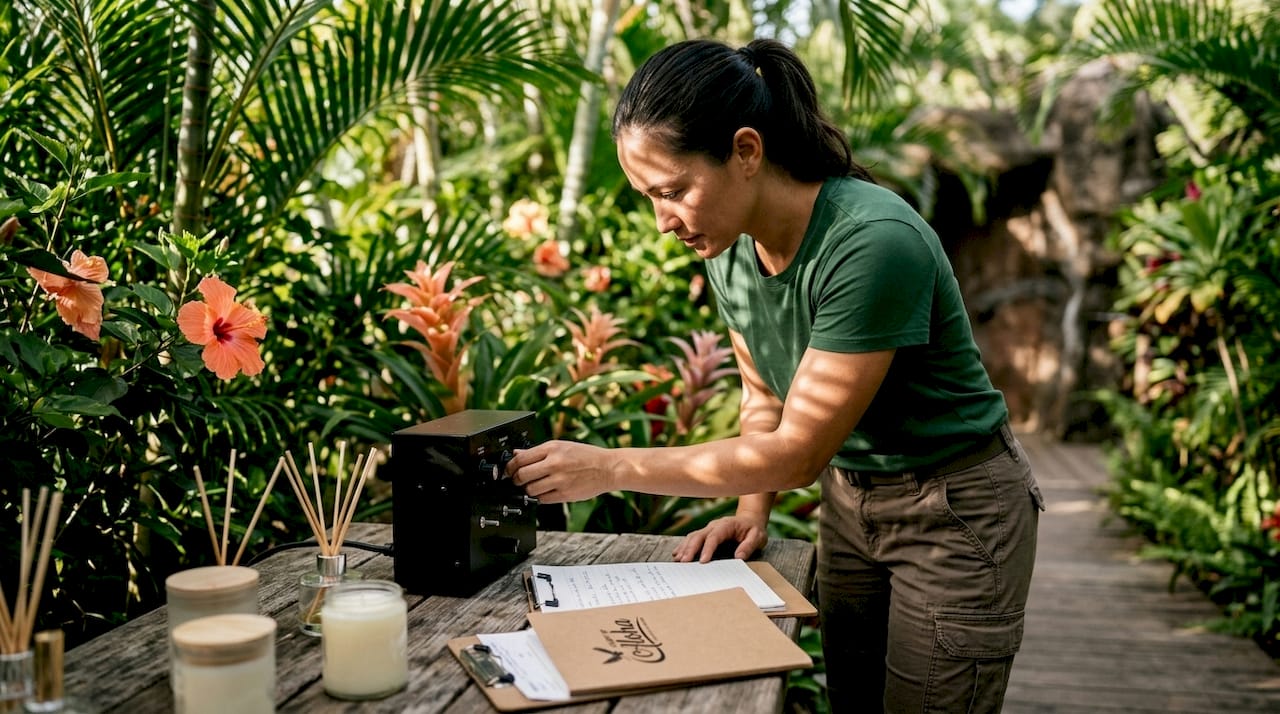
Scent marketing in attractions is defined as the deliberate use of fragrance to shape visitor emotion, behavior, and memory at every stage of the guest experience. Operators who understand why use scents in attractions gain a measurable edge: visitors spend 20% more time in environments with optimized signature scents, generating approximately 45% more daily revenue in scented areas. Companies like AromaPrime and Eco French Lab have built entire service lines around this insight. The global ambient fragrance industry was valued at $1.5 billion in 2025 and is projected to grow 30% by 2028. That growth reflects how seriously the world’s top attractions now treat smell as a design material.
Why use scents in attractions: the neuroscience behind it
Smell is the only sense with a direct pathway to the brain’s limbic system, specifically the amygdala and hippocampus. Those two regions govern emotion and long-term memory. Every other sense routes through the thalamus first, adding a processing delay. Scent skips that step entirely.
The result is speed and depth. Fragrance triggers emotional response in less than 3 seconds. That means a visitor walking into your attraction forms an emotional impression before they consciously register anything else in the space.
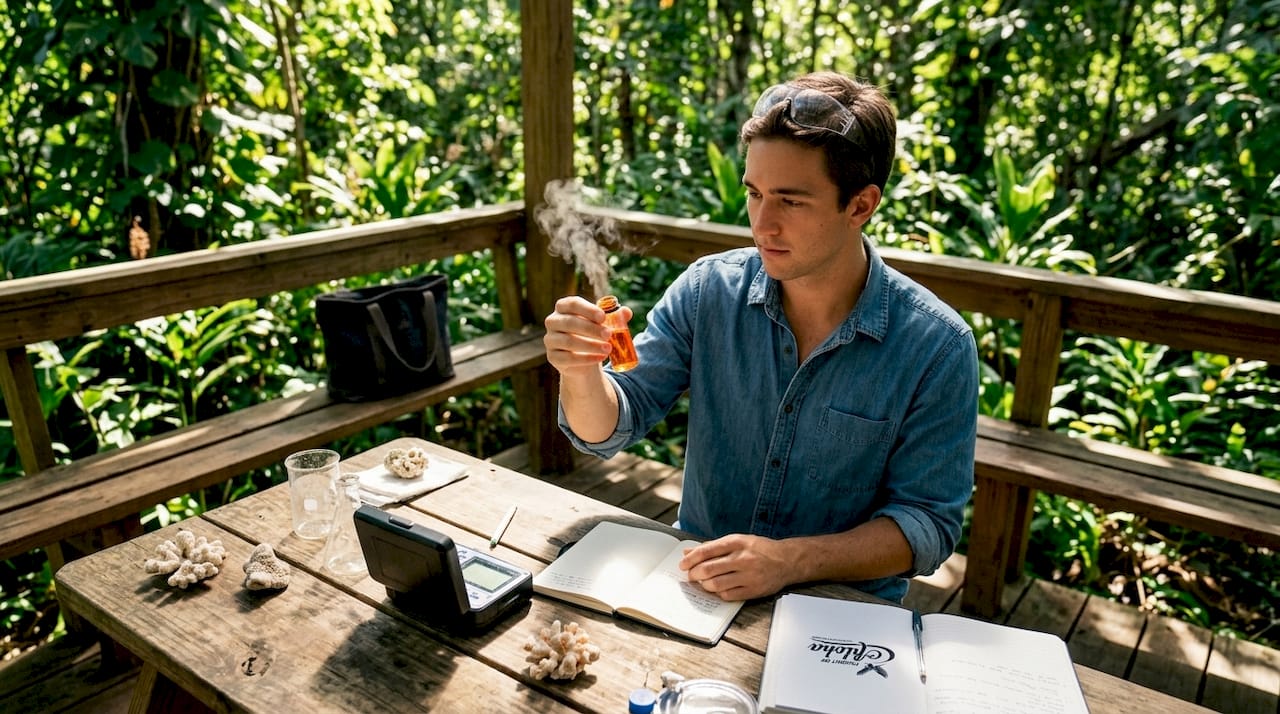
Memory retention follows the same pattern. Humans recall 35% of what they smell compared to just 5% of visual memory. That gap is enormous for attraction operators. A visitor who smells something distinctive during your experience is seven times more likely to remember it than one who only saw it.
Scent also shapes behavior without the visitor knowing it. Scent affects nearly 75% of daily emotional states through a direct, non-conscious pathway to the limbic system. Visitors linger longer, spend more freely, and report higher satisfaction, all without attributing any of it to the fragrance around them.
“Scent is invisible architecture. It defines space, guides mood, and anchors memories in ways that competitors find nearly impossible to replicate.” — CRAV Company
The benefits of sensory attractions extend well beyond novelty. When scent is layered with visuals, sound, and motion, the brain encodes the experience as a unified, vivid memory rather than a collection of separate inputs.
Ambient diffusion vs. localized scent delivery: which works better?
Not all scent strategies produce equal results. The two primary methods are ambient diffusion and localized, timed delivery. Each has a distinct use case.
| Method | How it works | Best for | Key risk |
|---|---|---|---|
| Ambient diffusion | Fragrance fills the entire space continuously via HVAC or standalone diffusers | Lobbies, retail areas, waiting zones | Nose blindness over time |
| Localized timed delivery | Scent bursts triggered by ride events or zone transitions | Ride theaters, dark rides, themed corridors | Requires ride control integration |
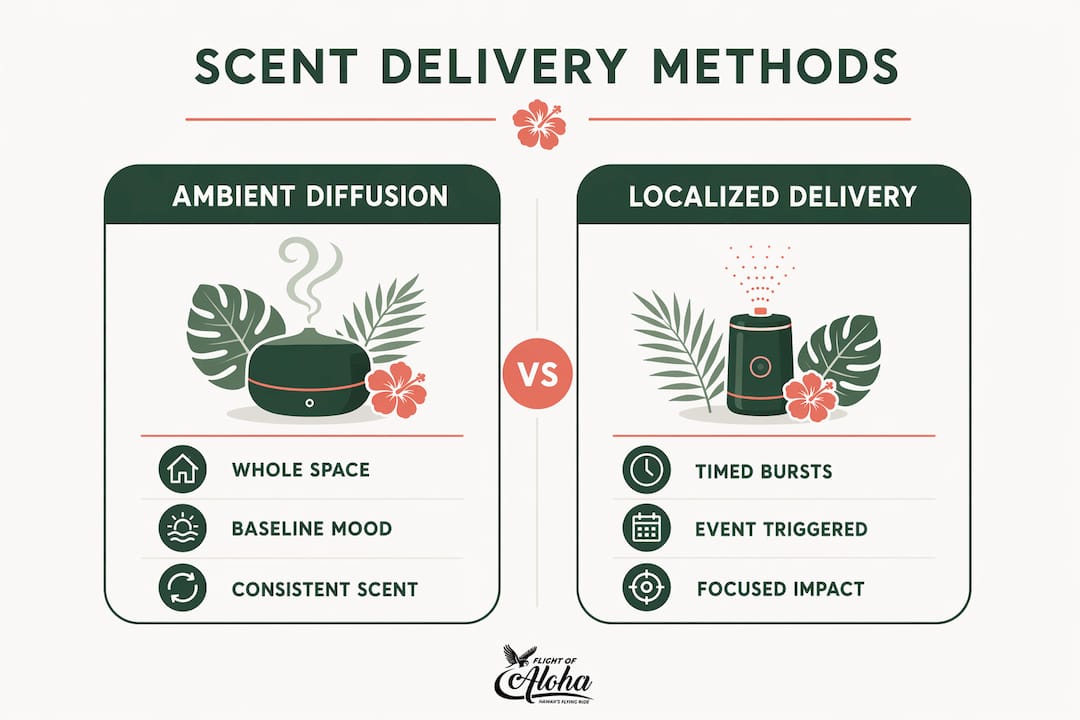
Ambient diffusion creates a consistent baseline mood. A citrus or white tea note in a lobby signals cleanliness and welcome before a single staff member speaks. The risk is scent fatigue. When the same fragrance runs at the same intensity for hours, visitors stop noticing it. That is called nose blindness, and it erases your investment.
Localized, timed delivery solves that problem. Synchronized short bursts of scent triggered by ride events create stronger, more memorable emotional responses than continuous ambient scenting. A burst of ocean air at the moment a screen shows crashing waves is far more powerful than a constant sea breeze running all day.
Moving from ambient to motion-synchronized delivery is the direction the industry is moving. The two approaches are not mutually exclusive. Many successful attractions use ambient diffusion in public areas and localized delivery inside ride theaters.
Pro Tip: Layer your scent strategy by zone. Use a light, neutral ambient fragrance in high-traffic corridors to set mood, then switch to precise, event-triggered bursts inside your core experience for maximum emotional impact.
How to choose the right scents for your attraction
Scent selection is where many operators make their first mistake. The instinct is to choose something dramatic and memorable. The right answer is usually something subtle and widely liked.
Scent associations vary by individual history and culture, which means a fragrance that feels nostalgic and warm to one visitor may feel clinical or unpleasant to another. Public attractions serve diverse audiences, so the selection process must account for that range.
Here are the principles that guide effective scent selection:
- Choose universal notes first. Citrus, white tea, vanilla, and light florals test well across demographics and cultures. They feel clean and pleasant without triggering strong negative associations.
- Align scent with your theme. A rainforest attraction should smell like green leaves and damp earth, not lavender. Thematic alignment makes the scent feel like part of the story rather than a marketing add-on.
- Avoid intensity over subtlety. Subtle, sub-perceptual scent use is critical to avoid overpowering visitors. If guests can identify the fragrance immediately, it is probably too strong.
- Build a signature scent for your brand. Custom fragrances tied to your attraction identity create a sensory brand mark. Visitors who smell it elsewhere instantly recall your experience.
Pro Tip: Test your chosen scent with a small, diverse visitor group before full deployment. Ask them to describe how the space makes them feel, not what they smell. Emotional response is the metric that matters.
Scent effects on experiences are most powerful when the fragrance feels like a natural extension of the environment rather than an addition to it.
How to integrate scent into attraction design and operations
The biggest operational mistake is treating scent as a finishing touch. Scent infrastructure belongs in the design phase, not the punch list.
- Plan diffusion points during the architectural design phase. Retrofitting scent delivery into an existing attraction is expensive and often produces uneven coverage. Embedding diffuser locations, duct connections, and control wiring during construction costs a fraction of the retrofit price.
- Connect scent systems to your HVAC and ride control platforms. Scent should be integrated into HVAC and ride control systems at the design phase for consistent quality. Ride-synchronized scent requires a control signal from your show control system, so plan that interface early.
- Rotate and fade scents in high-traffic zones. Rotating and fading scents prevents nose blindness and keeps the experience fresh for repeat visitors. Schedule fragrance rotation quarterly at minimum.
- Measure visitor engagement before and after scent deployment. Track dwell time, retail conversion, and guest satisfaction scores. Scent’s impact shows up in those numbers within weeks of deployment.
- Assign scent management to a specific team member. Diffuser maintenance, oil refills, and intensity calibration require consistent attention. Scent systems that go unmaintained drift toward either no output or overwhelming saturation.
Real-world examples of scent driving results in attractions
The evidence for scent marketing is not theoretical. It shows up in revenue data across multiple attraction categories.
Las Vegas casinos pioneered scent architecture in entertainment. Casinos use proprietary fragrance blends pumped through HVAC systems to reduce stress, increase dwell time, and lift spending. The results are well-documented: scented casino areas generate measurably higher daily revenue than unscented equivalents.
Theme parks use scent in two distinct ways. Ride theaters deploy event-triggered scent bursts to deepen immersion, while retail areas use warm, sweet fragrances like vanilla and cinnamon to increase purchase intent. The role of aromas in entertainment is especially clear in dark rides, where scent is the one sensory element that cannot be faked by a screen.
Luxury hotels treat signature scent as a brand asset. Properties like the Westin Hotels use their White Tea fragrance across thousands of locations worldwide. Guests who smell it in a candle or diffuser at home immediately associate it with the hotel experience. That is brand recall without advertising spend.
Smaller attractions and museums use scent for emotional connection and return visits. A natural history museum that pipes in the smell of pine and earth in its forest diorama section creates a more convincing and memorable exhibit than one relying on visuals alone.
| Attraction type | Scent application | Primary benefit |
|---|---|---|
| Casino | Ambient HVAC diffusion | Increased dwell time and spending |
| Theme park ride | Event-triggered bursts | Deeper immersion and memory |
| Luxury hotel | Signature brand scent | Guest loyalty and brand recall |
| Museum or exhibit | Zone-specific thematic scent | Emotional connection and authenticity |
Key Takeaways
Scent is the most direct sensory pathway to visitor emotion and memory, making it the highest-return experiential investment available to attraction operators today.
| Point | Details |
|---|---|
| Scent drives revenue | Scented environments generate approximately 45% more daily revenue and extend visitor dwell time by 20%. |
| Memory retention is higher | Humans recall 35% of what they smell versus 5% of visual memory, making scent the strongest memory anchor. |
| Timed delivery outperforms ambient | Event-synchronized scent bursts create stronger emotional responses than continuous ambient diffusion. |
| Subtlety is non-negotiable | Sub-perceptual scent levels feel authentic and avoid the discomfort that drives negative reviews. |
| Design integration is critical | Scent infrastructure must be planned during the attraction design phase for consistent, cost-effective delivery. |
Scent as invisible architecture: my honest take on what operators get wrong
Most attraction operators I talk to think about scent the same way they think about background music: something you add at the end to fill silence. That framing costs them real money and real guest loyalty.
Scent is not decoration. It is the one sensory input that bypasses rational thought entirely and lands directly in the part of the brain that decides how a visitor feels about your attraction. You can have the most stunning visuals and the most thrilling motion effects in the world, and a single bad smell will override all of it. That asymmetry is what operators miss.
The second mistake I see constantly is intensity. Operators assume that if a little scent is good, more is better. The opposite is true. The best scent environments feel authentic and subtle, supporting narrative and emotion without overwhelming guests. If a visitor walks in and immediately says “it smells like flowers in here,” the scent is too loud. The goal is for them to feel relaxed and happy without knowing why.
The third issue is maintenance. Scent systems require the same disciplined attention as lighting rigs or audio systems. A diffuser running low on oil, or a fragrance that has not been rotated in six months, produces results that range from nothing to actively unpleasant. Build scent management into your operations calendar the same way you schedule equipment checks.
The future of scent in attractions is precision. Emerging delivery systems can trigger specific fragrances at specific seats in a theater within milliseconds of a show control cue. That level of control turns scent from a mood-setter into a narrative tool. Attractions that invest in that infrastructure now will have a sensory advantage that is genuinely hard for competitors to copy.
— Ola
Flightofaloha: where scent meets the spirit of Hawai’i
Flightofaloha is a Native Hawaiian-owned immersive flying theater located inside King Kamehameha’s Kona Beach Hotel in Kailua-Kona, walking distance from Kailua Pier and the cruise tender dock. It blends 8K visuals, motion effects, wind, and real Hawaiian scents to simulate soaring over the islands, making it one of the best Big Island activities for families, shore excursions, and anyone looking for indoor activities on the Big Island.
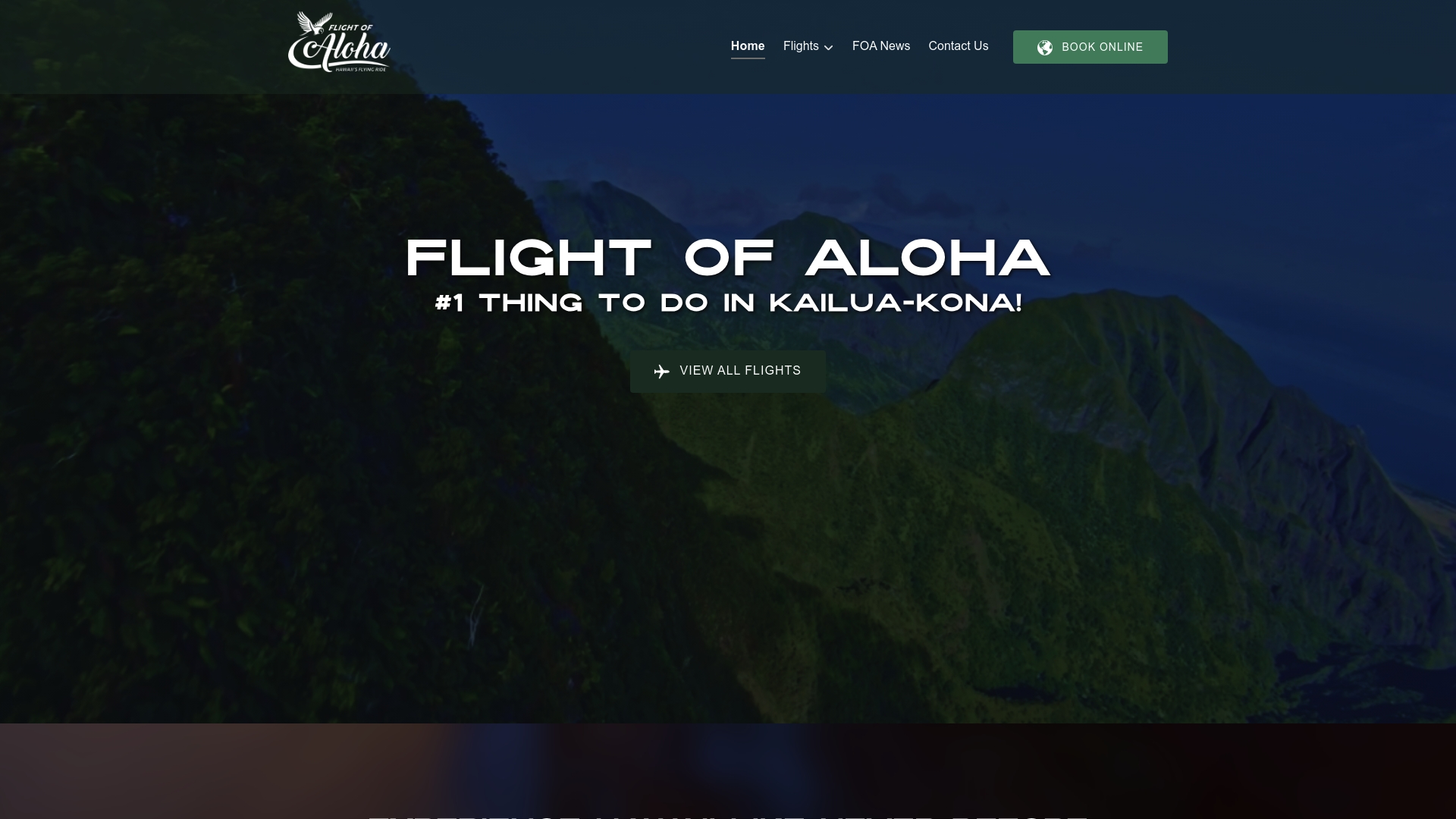
Think of it as what you get when a helicopter tour and a Disney ride have a child rooted in aloha. No $400 price tag, no motion sickness, and the best air conditioning in Kona when the heat or vog rolls in. Whether you are planning a group event or looking for family-friendly Kona experiences, Flightofaloha delivers the kind of immersive sensory experience that visitors remember long after they leave the Big Island. Book online to secure your seat.
FAQ
Why use scents in attractions at all?
Scent is the only sense with a direct pathway to the brain’s emotion and memory centers. Attractions that use scent see visitors spend more time on-site and report higher satisfaction scores.
How much does scent increase visitor dwell time?
Visitors spend 20% more time in environments with optimized signature scents. That extended dwell time translates directly into higher per-visit spending.
What scents work best in public attractions?
Universal notes like citrus, white tea, and vanilla perform best across diverse audiences. These fragrances feel clean and pleasant without triggering strong negative associations tied to personal history or culture.
How do you prevent nose blindness in high-traffic areas?
Rotate and fade scents on a scheduled basis, at minimum quarterly, and reduce intensity during peak hours. Localized, event-triggered delivery also helps because the scent is not running continuously.
When should scent infrastructure be planned for a new attraction?
Scent systems should be integrated during the architectural design phase. Retrofitting diffusers and control wiring into a finished attraction costs significantly more and often produces uneven fragrance coverage.