Conservation Messaging in Attractions That Actually Works 🌺
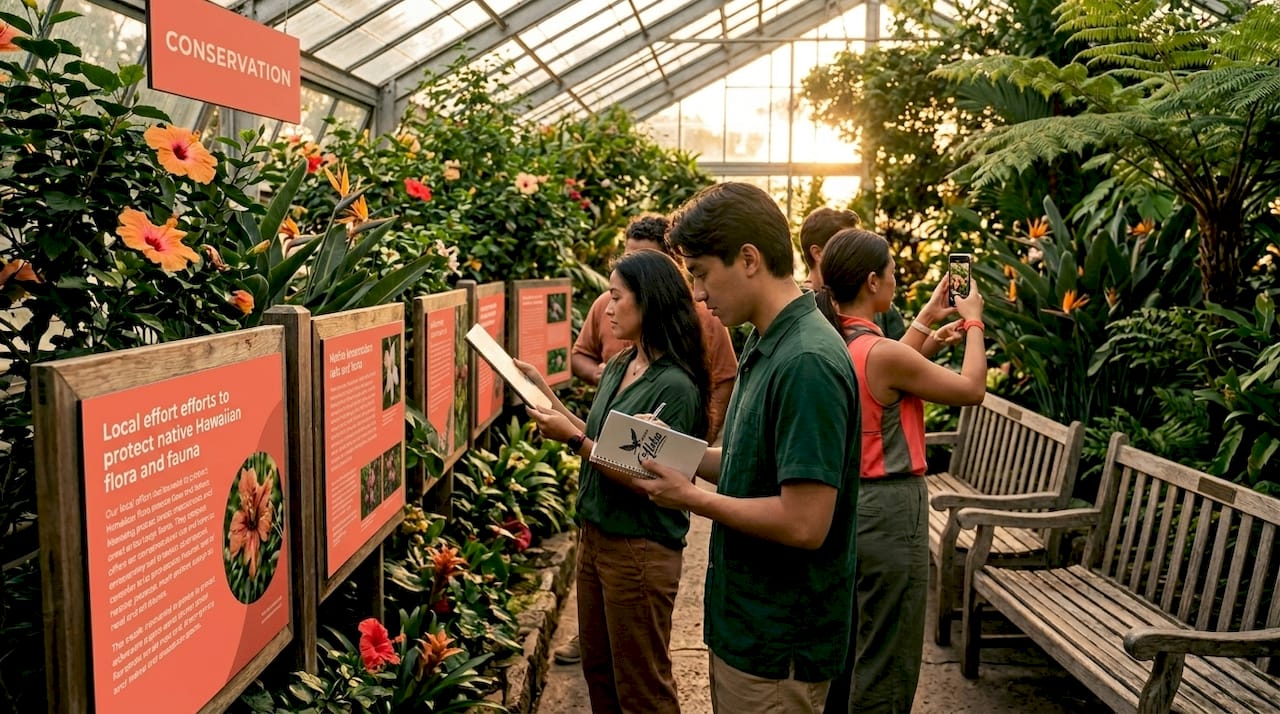
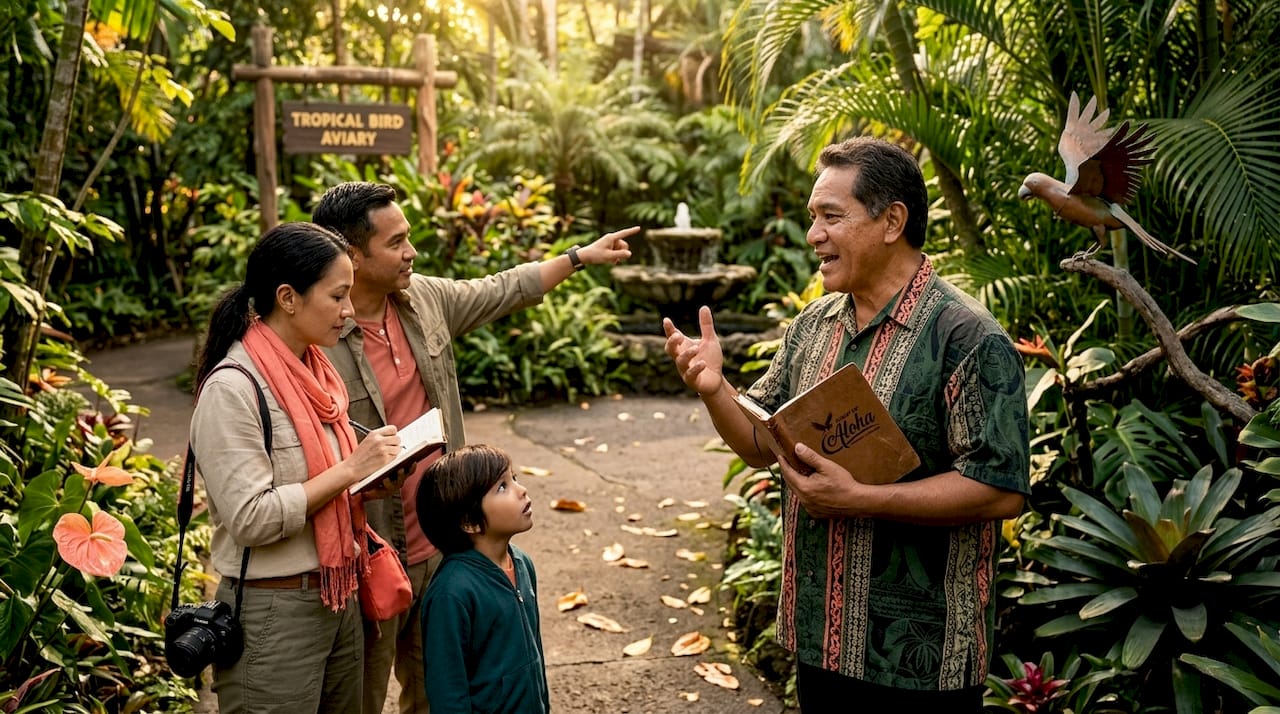
Conservation messaging in attractions is defined as the strategic communication that motivates visitors to understand, care about, and actively support biodiversity protection and sustainability through engaging, locally grounded narratives and interactive experiences. The industry term for this practice is “conservation communication,” and it sits at the intersection of behavioral psychology, environmental education in parks, and immersive storytelling. When done well, it transforms a casual tourist into a genuine conservation ally. When done poorly, it fades into background noise. The difference lies in whether the message is co-created with communities or simply broadcast at visitors.
What are the most effective conservation messaging strategies in attractions?
The most effective conservation messaging strategies share one defining quality: they are built with communities, not for them. Collaborative co-governance produces measurable conservation outcomes by weaving local social legitimacy into every message. This means Indigenous partners, local conservationists, and community members shape the narrative from the start, not as afterthoughts.
Here are the strategies that consistently deliver results:
- Participatory storytelling. Chester Zoo’s Heart of Africa exhibit partners with Ugandan artists and features live interactions with conservationists from the field. Authentic narratives from Indigenous partners create emotional bonds that generic awareness campaigns simply cannot replicate.
- Multi-sensory immersive experiences. The Wakaŋ Típi Center in St. Paul uses audio recordings of local community members, interactive garden spaces, and teaching stones. Multi-sensory touchpoints foster stronger conservation support than passive signage alone. Visitors remember what they feel, not just what they read.
- Behavioral psychology principles. Messaging that avoids cognitive overload keeps visitors focused on one clear action. Attractions that pile on statistics and doom-and-gloom facts often produce paralysis rather than motivation.
- Social proof and descriptive norms. Showing visitors that other people like them are already taking conservation action is more persuasive than abstract appeals to global biodiversity loss.
- Structural and cultural levers. Effective conservation messaging integrates fire prevention brigades, waste co-management, and biodiversity monitoring into the visitor experience, making conservation feel tangible and local.
Pro Tip: When evaluating an attraction’s conservation program, look for whether local community voices are literally present in the experience, through audio, live guides, or co-designed exhibits. Their absence is a red flag for superficial eco-friendly attraction marketing.
How do different conservation messaging approaches compare?
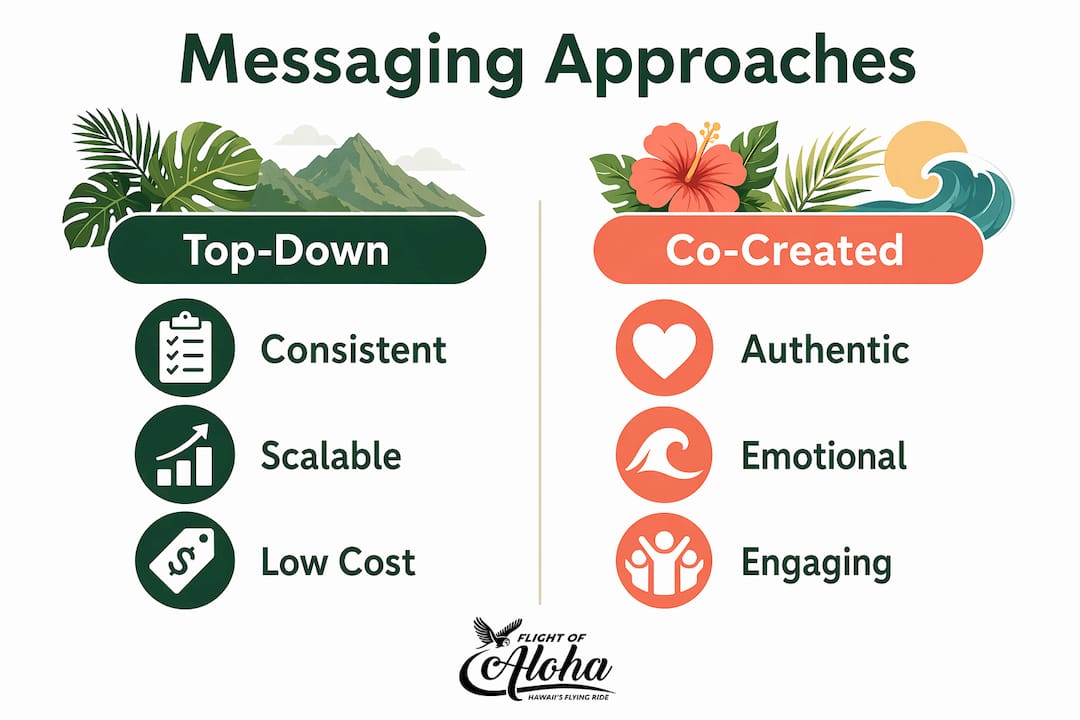
Top-down informational campaigns and co-created immersive approaches produce very different outcomes in visitor engagement and behavioral change. Understanding the gap between them helps both advocates and tourists make smarter choices about which attractions deserve their support and dollars.
| Approach | Strengths | Weaknesses |
|---|---|---|
| Top-down informational | Consistent, scalable, low cost | Low emotional impact, passive reception, poor behavior change |
| Co-created community storytelling | High emotional resonance, social legitimacy, lasting behavior change | Resource-intensive, requires genuine partnerships |
| Identifiable victim narratives | Can generate immediate emotional response | Backfires in zoo settings when animals appear healthy, reducing perceived urgency |
| Social proof and descriptive norms | Leverages peer influence effectively | Requires accurate, localized data to feel credible |
| Participatory eco-tourism programs | Turns tourists into active co-stewards | Needs trained staff and adaptive management |
The identifiable victim effect deserves special attention. In human charitable giving, showing a single suffering individual drives donations. In wildlife attractions, the same tactic often backfires. When zoo visitors see a healthy, thriving animal, the urgency of a conservation appeal drops sharply. Perceived authenticity and social proof shape visitor engagement and donation behavior far more reliably in these settings.
Narrative storytelling consistently outperforms statistics alone. A visitor who hears a Ugandan conservationist describe protecting mountain gorillas in their own words will retain that message far longer than one who reads a placard listing population decline percentages. Participatory programs that engage tourists as active co-stewards push sustainability efforts beyond passive learning into genuine behavior change.
Pro Tip: If an attraction’s conservation messaging relies entirely on alarming statistics without connecting them to a local human story or a specific action you can take, the message is unlikely to stick. Look for experiences that give you a named person, a named place, and one clear next step.
What real-world examples show conservation messaging working?
The most instructive examples come from attractions that treat visitor engagement in conservation as a design principle, not an add-on. Three cases stand out for their measurable impact and transferable lessons.
Wakaŋ Típi Center, St. Paul. In 2026, volunteers removed 550 pounds of invasive garlic mustard from the site. That number represents something more than habitat restoration. It proves that when conservation messaging is embedded in community storytelling and hands-on participation, visitors show up and do real work. The center’s use of culturally sensitive content and interactive exhibits deepens the connection between visitors and the land they are helping protect.
Chester Zoo’s Heart of Africa. This exhibit is a masterclass in immersive storytelling with Indigenous voices. Ugandan artists contributed to the physical design. Live conservationists from the field interact with visitors. The result is a space where conservation feels urgent, personal, and solvable rather than abstract and overwhelming.
Pocono Environmental Education Center (PEEC). PEEC welcomes over 27,000 visitors annually, making it one of the most significant environmental education hubs in the northeastern United States. Its model demonstrates that consistent, place-based education at scale is achievable when the programming connects visitors to the specific ecosystems surrounding them.
Key lessons from these examples:
- Hands-on participation produces stronger conservation commitment than observation alone.
- Local and Indigenous voices are not optional additions. They are the core of credible messaging.
- Scale matters. Attractions that reach tens of thousands of visitors annually carry real responsibility for the quality of their conservation communication.
- Measurable outcomes, whether pounds of invasive species removed or funds raised, give visitors a sense of genuine impact.
How can advocates and tourists promote conservation through attraction messaging?
Whether you are a conservation advocate designing programs or a tourist choosing where to spend your time and money, you have more influence over conservation messaging in attractions than you might think. Here is how to use it well.
- Collaborate with local communities. Advocates should prioritize partnerships with Indigenous groups and local organizations when designing or evaluating messaging programs. Equity-centered conservation planning produces stronger and more lasting behavioral change than any top-down campaign.
- Support immersive and participatory programs. Choose attractions that offer hands-on conservation activities, not just informational displays. Volunteer programs, guided ecological tours, and interactive exhibits are signs of genuine commitment to sustainable tourism practices.
- Spot the difference between authentic messaging and greenwashing. Authentic conservation communication names specific local partners, describes measurable outcomes, and invites your participation. Greenwashing uses vague language like “eco-friendly” without any supporting evidence or community connection.
- Provide feedback. Attractions that practice adaptive management genuinely want to know what resonated with you. A short comment to staff or a detailed online review that highlights what worked in their conservation programming helps them improve.
- Align your spending with your values. Donations, annual passes, and merchandise purchases at attractions with strong conservation programs directly fund those programs. Tourist preferences favor conservation messages aligned with visible, local actions rather than abstract global appeals.
- Amplify what you experience. Share conservation stories from your visits on social media, in conversations, and in travel reviews. Word-of-mouth remains one of the most powerful conservation awareness campaigns available to any individual.
Pro Tip: Before visiting any attraction, check whether their website names specific conservation partners, describes outcomes, or mentions community involvement. If the conservation section is three sentences of generic language, manage your expectations accordingly.
Key takeaways
Conservation messaging in attractions works best when it combines co-created community storytelling, multi-sensory immersive experiences, and behavioral psychology principles to move visitors from passive observers to active conservation allies.
| Point | Details |
|---|---|
| Co-creation beats top-down | Messaging built with Indigenous and local partners produces stronger emotional resonance and behavior change. |
| Immersive experiences outperform signage | Multi-sensory touchpoints at centers like Wakaŋ Típi create deeper visitor conservation engagement. |
| Identifiable victim effect can backfire | In zoo settings, healthy-looking animals reduce perceived urgency, making social proof more effective. |
| Scale amplifies responsibility | Attractions like PEEC reaching 27,000+ visitors annually carry significant influence over public conservation attitudes. |
| Tourists hold real power | Choosing, funding, and amplifying attractions with authentic conservation programs directly supports biodiversity protection. |
My take on where conservation messaging is heading
From Ola:
I have watched conservation communication shift dramatically over the past decade, and the most exciting change is not technological. It is the move from telling visitors what to think toward inviting them into a story they already belong to. The old model treated tourists as empty vessels to fill with facts. The new model treats them as potential allies who need a reason to care and a clear way to act.
What I find genuinely encouraging is the growing recognition that interactive experiences in attractions are not a luxury add-on. They are the mechanism through which conservation values actually transfer. Chester Zoo and Wakaŋ Típi Center are not outliers. They are early proof of a model that works.
The hard challenge ahead is balancing tourism revenue with ecological carrying capacity. More visitors does not always mean more conservation impact. Sometimes it means more pressure on the very ecosystems the messaging is trying to protect. Attractions that take this tension seriously, and build adaptive management into their programs, are the ones worth supporting.
My honest recommendation: seek out places where the people who live closest to the land are the ones telling the story. That is where the most powerful conservation communication happens.
— Ola
Experience conservation storytelling in Hawai’i with Flight of Aloha
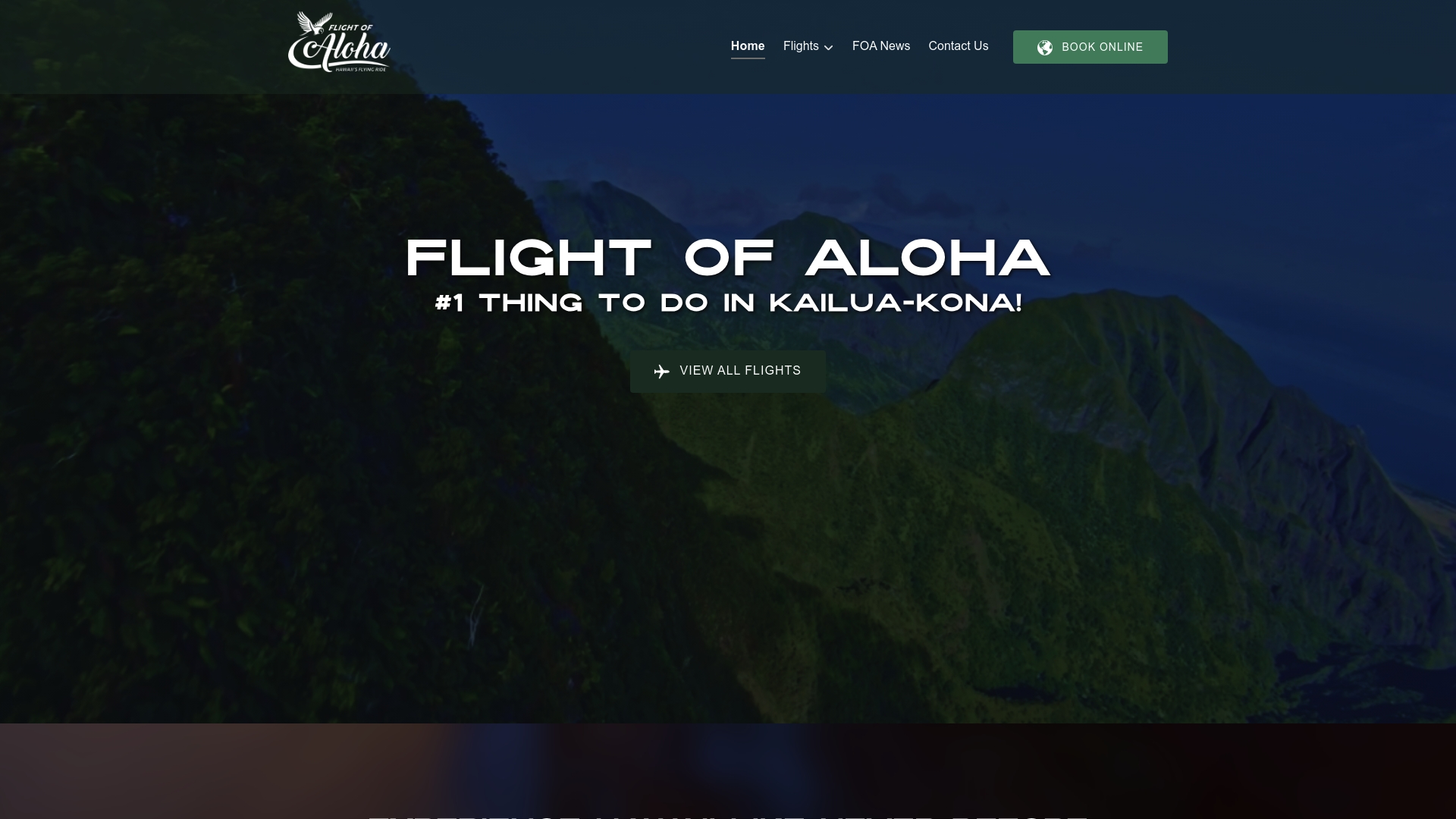
Flight of Aloha brings conservation messaging and cultural storytelling together in one breathtaking experience inside King Kamehameha’s Kona Beach Hotel in Kailua-Kona. This Native Hawaiian-owned attraction is walking distance from Kailua Pier, making it perfect for shore excursions. Think of it as the smart alternative to a $400 helicopter tour: the same sweeping aerial views of Hawai’i’s lush landscapes, zero motion sickness, and the best air conditioning on the Big Island. Films like Naupaka and Lahaina weave authentic Hawaiian legends and conservation themes into 8K visuals, motion effects, scents, and wind. Whether you are a conservation advocate or an environmentally conscious tourist looking for meaningful Hawaii experiences, this is one of the top things to do in Kona. Book online to secure your seat.
FAQ
What is conservation messaging in attractions?
Conservation messaging in attractions is the strategic communication that motivates visitors to understand and support biodiversity protection through engaging, locally grounded narratives and interactive experiences. It is also called conservation communication and sits at the intersection of environmental education, behavioral psychology, and immersive design.
Why does co-created messaging outperform top-down campaigns?
Co-created messaging integrates local social legitimacy and emotional authenticity that top-down campaigns lack. Research from Yacuri National Park’s CEPA plan shows that collaborative governance models produce measurably stronger conservation behavior change than informational campaigns designed without community input.
How can tourists identify greenwashing in attraction conservation programs?
Authentic conservation programs name specific local partners, describe measurable outcomes, and offer hands-on participation. Greenwashing relies on vague language like “eco-friendly” without naming partners, outcomes, or community involvement.
Does emotional storytelling really change visitor behavior?
Yes. Storytelling that incorporates Indigenous voices and lived experiences creates emotional bonds that translate into meaningful conservation support, including donations, volunteering, and long-term attitude change, more effectively than statistics-only messaging.
What role do tourists play in conservation awareness campaigns?
Tourists drive conservation outcomes through their spending, participation, and amplification. Choosing attractions with authentic programs, providing feedback, and sharing conservation stories from their visits all contribute directly to visitor engagement in conservation and the funding of real ecological work.
Recommended
- Visitor Guide Cultural Storytelling: Hawaiian Immersion Impact | Flight Of Aloha
- Cultural Storytelling In Attractions: Hawaiian Impact | Flight Of Aloha
- Benefits Of Sensory Attractions: Why They Enhance Visitor Emotion | Flight Of Aloha
- The Role Of Interactive Experiences In Attractions | Flight Of Aloha