
Discover immersive sensory attractions in Kailua-Kona

Families visiting Kailua-Kona often struggle to find cultural attractions that truly engage all senses while authentically sharing Hawaiian legends. Many experiences offer superficial entertainment rather than meaningful immersion in storytelling and tradition. This article explores sensory-rich cultural attractions in Kailua-Kona that blend visual, auditory, tactile, and spiritual elements to deepen your family’s connection to Hawaiian heritage. You’ll learn evaluation criteria and discover specific examples that deliver genuine cultural value while keeping every family member engaged.
Table of Contents
- Sensory Criteria For Immersive Cultural Attractions
- Exploring Pu’uhonua O Honaunau Historical Park As A Sensory Attraction
- Kailua-Kona Haunted History Ghost Walking Tour: A Multi-Sensory Storytelling Journey
- Comparing Sensory Attractions In Kailua-Kona: Features And Suitability For Families
- Plan Your Immersive Kailua-Kona Cultural Experience With Flight Of Aloha
Key takeaways
| Point | Details |
|---|---|
| Multi-sensory engagement enhances cultural learning | Attractions engaging sight, sound, touch, and storytelling create deeper appreciation of Hawaiian heritage. |
| Authenticity matters for meaningful experiences | Cultural sensitivity and accurate representation ensure respectful immersion in traditions. |
| Balance prevents sensory overload | Pacing visits and choosing age-appropriate experiences keeps children comfortable and engaged. |
| Kailua-Kona offers diverse sensory options | From historical parks to storytelling tours, families find varied authentic cultural attractions. |
Sensory criteria for immersive cultural attractions
Selecting the right cultural attraction requires understanding how sensory engagement works. You want experiences that stimulate multiple senses without overwhelming young visitors. The best attractions blend visual beauty, auditory storytelling, tactile exploration, and sometimes spiritual connection to create lasting memories.
Cultural authenticity forms the foundation. Look for attractions that present Hawaiian traditions respectfully and accurately, avoiding commercialized representations that strip away genuine meaning. Storytelling connects your family to local legends and history in ways static displays cannot match. When choosing cultural entertainment, prioritize venues that employ Hawaiian cultural practitioners or historians who share authentic narratives.
Balance remains critical because excessive sensory input can overwhelm and reduce engagement, especially for children. Consider these factors when evaluating attractions:
- Duration and pacing that allows processing time between sensory experiences
- Age-appropriate content that engages without frightening younger children
- Educational materials that extend learning beyond the immediate experience
- Opportunities for hands-on exploration at the child’s own pace
- Quiet spaces or natural pauses that prevent overstimulation
Pro Tip: Start with shorter sensory experiences and gradually build to longer immersive attractions. Bring a small notebook for children to sketch or write about what they see and hear, transforming passive observation into active engagement that deepens retention.
Exploring Pu’uhonua o Honaunau historical park as a sensory attraction
Pu’uhonua o Honaunau stands as one of Kailua-Kona’s premier sensory cultural sites. This place of refuge holds deep significance in Hawaiian tradition, where ancient kapu breakers and defeated warriors could escape punishment. The park offers visual, auditory, and tactile experiences through recreated structures and storytelling that bring this history to life.
Visual elements immediately captivate visitors. Traditional thatched structures contrast against black lava rocks and turquoise ocean views. The Hale o Keawe temple features carved wooden ki’i (statues) that once guarded royal bones, creating a powerful visual connection to Hawaiian spirituality. Your children can see how ancient Hawaiians lived, worked, and worshiped through carefully recreated buildings and tools.
Tactile engagement happens naturally as you walk paths across rough lava formations. Feel the smooth worn stones of the great wall, built without mortar centuries ago. Touch thatch roofing materials and examine traditional fishing tools displayed throughout the site. These physical connections transform abstract history into concrete reality.
Auditory storytelling completes the experience. Park rangers share oral traditions about the refuge system, spiritual beliefs, and daily life. Listen to stories about Night Marchers, deities, and the kapu system that governed Hawaiian society. Educational displays provide context, but the human voice carries the most power in transmitting cultural storytelling in Hawaii.
Key sensory highlights include:
- Walking barefoot on smooth lava rocks near the shore
- Hearing waves crash against the ancient seawall
- Viewing intricate wood carvings on traditional structures
- Feeling temperature changes between sunny lava fields and shaded temple areas
- Experiencing the spiritual atmosphere near sacred sites
Pro Tip: Visit during morning hours when temperatures stay comfortable and ranger-led programs offer richer storytelling. Allocate at least two hours to explore without rushing, allowing children to absorb the environment at their natural pace. Bring water and sun protection, as much of the site lacks shade.
Kailua-Kona haunted history ghost walking tour: a multi-sensory storytelling journey
For families who enjoy history blended with mystery, the Kailua-Kona haunted history tour delivers immersive sensory storytelling. This 90-minute evening walk explores historic downtown Kailua-Kona while sharing legends about spirits, Night Marchers, and Hawaiian deities. The tour engages multiple senses and highlights local legends via storytelling at authentic sites where events allegedly occurred.
Auditory elements dominate this experience. Your guide weaves together Hawaiian mythology, historical events, and local folklore while leading you through dimly lit streets. You hear about Pele’s volcanic power, ancient warriors’ spirits, and mysterious occurrences reported by modern residents. The storytelling rhythm builds atmosphere, keeping both adults and older children engaged through dramatic pacing and vivid descriptions.
Visual components enhance the narrative. You view historic buildings, ancient sites, and locations tied to specific legends as darkness adds atmospheric depth. Observing these places while hearing their stories creates stronger memory connections than reading about them later. The physical setting makes abstract legends feel immediate and real.
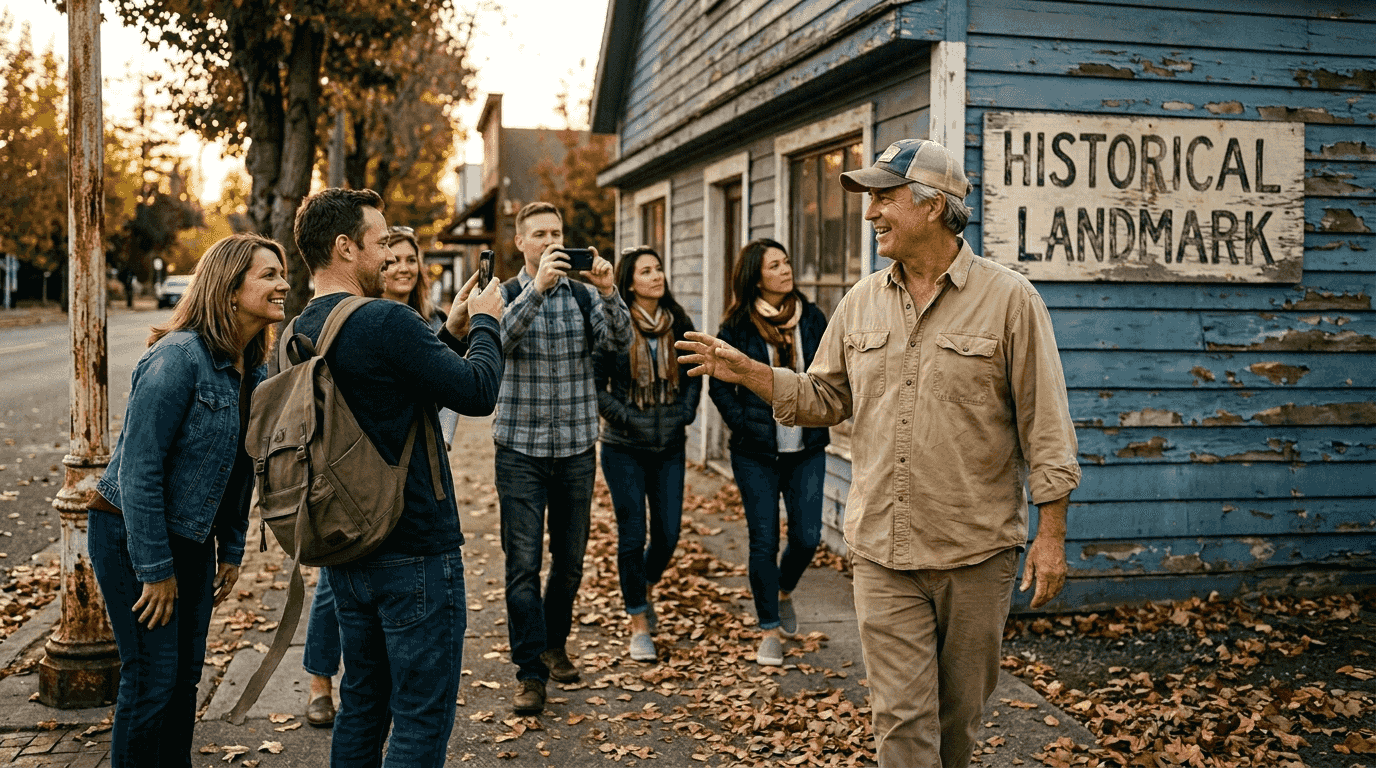
This attraction works well for families with children aged eight and above who enjoy Hawaiian storytelling highlights without being frightened by spooky themes. The tour balances entertainment with cultural education, presenting legends respectfully rather than sensationalizing them. Parents appreciate learning authentic Hawaiian spiritual beliefs while children enjoy the mysterious atmosphere.
Sensory highlights experienced during the walking tour:
- Cool evening breezes carrying ocean scents
- Historic building textures under your fingertips
- Ambient sounds of evening Kailua-Kona mixing with narration
- Visual contrast between modern shops and ancient sites
- Emotional atmosphere created by darkness and storytelling
The pacing allows frequent pauses for questions and photographs. Guides adjust content based on the group’s age range and comfort level, ensuring younger participants stay engaged without becoming uncomfortable. This flexibility makes the tour suitable for diverse family compositions.
Comparing sensory attractions in Kailua-Kona: features and suitability for families
Deciding between sensory cultural attractions becomes easier with direct comparison. Both Pu’uhonua o Honaunau and the haunted history tour deliver authentic Hawaiian cultural content through different sensory approaches. Understanding their distinct features helps you choose experiences matching your family’s interests, ages, and available time.
This comparison table presents key factors for cultural attractions for families:
| Feature | Pu’uhonua o Honaunau | Kailua-Kona Haunted Tour |
|---|---|---|
| Primary senses | Visual, tactile, auditory | Auditory, visual, atmospheric |
| Duration | Self-paced, 1-3 hours | Guided, 90 minutes |
| Best ages | All ages, stroller friendly | 8 years and up |
| Cultural focus | Ancient refuge system, daily life | Legends, spirits, deities |
| Physical activity | Moderate walking on uneven terrain | Easy walking on paved streets |
| Educational depth | Extensive historical context | Folklore and mythology emphasis |
| Weather dependency | Open-air, sun exposure | Evening, weather protected |
| Pacing control | Visitor controlled | Guide controlled with pauses |
Situational recommendations help narrow your choice. Select Pu’uhonua o Honaunau when you want hands-on exploration, have young children, or prefer self-paced learning. The park suits families who enjoy outdoor activities and want deep historical context. Morning visits provide comfortable temperatures and optimal ranger programs.
Choose the haunted history tour when your children are old enough to appreciate storytelling, you prefer guided experiences, or evening activities fit your schedule better. This option works well for families who enjoy atmospheric entertainment and want concentrated cultural learning in a shorter timeframe.
Many families combine both experiences during their Kailua-Kona visit. The park provides daytime tactile and visual engagement while the tour offers evening auditory storytelling. Together, they create comprehensive sensory immersion in Hawaiian culture from different angles. Budget one full day for the park and one evening for the tour if time allows.
Authentic engagement enriches family travel beyond typical tourist activities. These sensory experiences create shared memories while teaching children to appreciate cultural differences respectfully. Your investment in meaningful attractions pays dividends through lasting impact and genuine understanding.
Plan your immersive Kailua-Kona cultural experience with Flight of Aloha
After exploring traditional sensory attractions, discover how modern technology enhances cultural storytelling. Flight of Aloha cultural experiences combines 8K visuals, motion effects, scents, and wind to create an immersive flying theater that engages all senses simultaneously. You’ll soar over Hawaii’s most sacred sites while experiencing authentic Kailua-Kona storytelling experiences rooted in Hawaiian legends like Naupaka and the Lahaina narrative.

This attraction bridges the gap between traditional cultural sites and cutting-edge immersive technology. Families with varying mobility levels can experience Hawaii’s landscapes and legends together in climate-controlled comfort. The multi-sensory approach accommodates different learning styles, ensuring every family member connects with the material. Flight of Aloha provides curated experiences that complement your visits to historical parks and storytelling tours, creating a complete sensory journey through Hawaiian culture.
Frequently asked questions
What defines a sensory cultural attraction in Hawaiian tourism?
Sensory cultural attractions engage multiple senses, including sight, sound, touch, and sometimes smell or spiritual awareness, to deepen understanding of Hawaiian traditions. These experiences use authentic cultural elements and storytelling rather than superficial entertainment. Quality attractions employ Hawaiian cultural practitioners who share accurate narratives and historical context. The best venues balance sensory stimulation to prevent overwhelming visitors while maintaining educational value and cultural respect.
How should families prepare for sensory cultural experiences in Kailua-Kona?
Research attractions beforehand to match your children’s ages and interests with appropriate sensory levels. Pack essentials like water, sun protection, and comfortable walking shoes for outdoor sites. Prepare children by explaining what they’ll experience and setting expectations about behavior at sacred sites. Build flexibility into your schedule, allowing extra time if your family wants to linger at engaging exhibits. Bring notebooks or cameras to help children process and remember their cultural storytelling guide experiences.
What age ranges work best for different sensory attractions?
Historical parks like Pu’uhonua o Honaunau welcome all ages, including infants in carriers or strollers, though toddlers need close supervision near uneven lava rocks. Children aged five to twelve gain the most educational value from tactile exploration and ranger programs. Evening storytelling tours suit children eight and older who can walk comfortably for 90 minutes and appreciate narrative complexity without becoming frightened. Teenagers and adults enjoy all sensory attractions, often preferring deeper historical context and spiritual dimensions.
How does Pu’uhonua o Honaunau enhance sensory learning for visitors?
Pu’uhonua o Honaunau uses recreated structures and storytelling to engage visual, tactile, and auditory senses simultaneously. Reconstructed temples and huts provide tangible connections to the past through materials you can touch and architectural details you can examine closely. Interpretive storytelling by rangers stimulates auditory learning while explaining Hawaiian traditions and the refuge system’s spiritual significance. The combination of physical exploration and oral narrative creates memorable multi-sensory education.
What makes the Kailua-Kona haunted history tour suitable for families?
The tour balances entertaining legends with accessible pacing, appealing to a broad family audience seeking cultural enrichment. Engaging storytelling connects visitors with local legends about deities, Night Marchers, and historical events without relying on cheap scares or inappropriate content. Guides adjust their presentation based on the group’s age composition and comfort levels. The walking format with frequent pauses prevents fatigue while the evening timing adds atmospheric depth that enhances rather than frightens.