Your eco-friendly attractions checklist for Hawaii adventures
TL;DR:
- Genuine eco-friendly attractions in Hawaii are certified by Qurator or STA Hawaii and support conservation efforts.
- Travelers should prioritize small group sizes, low-impact transportation, and cultural respect to avoid greenwashing.
- Key eco-tips include using reef-safe sunscreen, supporting local businesses, and participating in conservation activities.
Hawaii draws millions of visitors every year, and with that comes a flood of tours and experiences all claiming to be “eco-friendly.” 🌺 But not every green label tells the whole story. Some operators use feel-good language without real conservation commitments, leaving well-meaning travelers wondering if their choices actually made a difference. This guide gives you a practical, easy-to-use checklist so you can spot the real thing, skip the greenwashing, and make your Hawaii adventure genuinely meaningful. Whether you’re heading to Kailua-Kona or exploring the broader islands, you’ll leave knowing exactly what to look for.
Table of Contents
- How to evaluate eco-friendly attractions in Hawaii
- The essential eco-friendly attractions checklist
- Top eco-friendly attractions and activities to consider
- Comparing eco-friendly experiences: What’s best for your Hawaii trip?
- A local perspective: How to spot real sustainability in Hawaii
- Plan your eco-friendly adventure with Flight of Aloha
- Frequently asked questions
Key Takeaways
| Point | Details |
|---|---|
| Verify certifications | Look for recognized badges like Qurator or STA Hawaii to ensure real sustainability. |
| Follow a practical checklist | Use reef-safe sunscreen, reusable bottles, and support local conservation at all attractions. |
| Favor small group, low-impact options | Choose tours with smaller groups, respect wildlife policies, and minimize your footprint. |
| Balance adventure and culture | Integrate volunteer work or cultural tours for a deeper connection and lower-impact visit. |
| Ask informed questions | Before booking, confirm local ownership, community impact, and hands-on conservation efforts. |
How to evaluate eco-friendly attractions in Hawaii
With so many options available, understanding what makes an attraction truly eco-friendly is crucial before you make travel plans. The good news? A few clear signals separate the real deal from clever marketing.
Start with certifications. Two of the most respected benchmarks in Hawaii are the Qurator certification and the Sustainable Tourism Association of Hawaii (STA Hawaii). These aren’t just badges. They require operators to meet specific standards around environmental impact, cultural respect, and community benefit. According to the STA Hawaii guide, responsible tourism in Hawaii means actively protecting natural resources while supporting local economies.
Eco-friendly attractions in Hawaii emphasize small group sizes, certifications like Qurator and STA Hawaii, low-impact transportation, no-contact wildlife policies, and direct contributions to conservation. That’s your baseline.
Watch for red flags. Vague claims like “we love nature” or “we’re green” without any supporting evidence are warning signs. Large group sizes, high-impact motorized transport, and wildlife interaction programs (petting, feeding, or riding animals) are all signs an operator may not be walking the talk.
Favor low-impact formats. E-bikes, kayaks, walking tours, and small-group hikes are your best friends. These formats naturally limit environmental disruption and often allow for more intimate, authentic experiences. Check out this sustainable tourism visitor guide for more detail on what responsible options look like across the islands.
Here’s a quick comparison to help you evaluate:
| Criteria | Strong eco-attraction | Red flag |
|---|---|---|
| Group size | Under 12 people | 30+ per group |
| Transportation | E-bike, kayak, walking | Large motorized vehicles |
| Wildlife policy | No contact, observe only | Feeding or touching animals |
| Certification | Qurator or STA Hawaii | No third-party verification |
| Conservation support | Revenue goes to local projects | No stated giving |
Key things to look for at a glance:
- Local ownership: Is the business run by Hawaii residents or Native Hawaiian families?
- Conservation ties: Does part of the revenue go to reef restoration, native planting, or beach cleanups?
- Cultural respect: Does the experience honor Hawaiian traditions rather than commercialize them?
- Transparency: Can the operator show you proof of their certifications or conservation work?
Pro Tip: Before booking, ask the operator directly: “What percentage of your revenue goes to conservation, and which organizations do you support?” A genuine eco-tour operator will answer that question with pride and specifics. Understanding group travel impact also helps you see why smaller groups consistently deliver better outcomes for both the environment and your experience.
The essential eco-friendly attractions checklist
Now that you understand what to look for, here’s a simple checklist to guide your planning for eco-friendly adventures. Print it out, save it to your phone, or just keep it in mind as you browse options.
Your eco-friendly travel checklist:
- Use reef-safe sunscreen (Act 104 compliant). Hawaii law bans sunscreens containing oxybenzone and octinoxate because they damage coral reefs. Only bring products that meet Act 104 standards.
- Carry a reusable water bottle. Single-use plastic is one of the biggest pollutants on Hawaiian beaches. Bring your own and refill it.
- Support local farms and businesses. Choose locally owned restaurants, markets, and tour operators to keep money within the community.
- Join a conservation activity. Beach cleanups, native tree plantings, and reef monitoring programs are widely available and deeply rewarding.
- Book certified eco-tours only. Use Qurator or STA Hawaii certification as your filter when selecting activities.
- Practice Leave No Trace. Stay on marked trails, pack out all waste, and never remove natural materials like rocks, shells, or plants.
🌺 Hawaii Act 104 is not just a suggestion. It’s state law. Selling or distributing non-compliant sunscreens in Hawaii is illegal, and for good reason. Coral reefs support roughly 25% of all marine life, and Hawaii’s reefs are already under significant stress. Choosing responsible green travel means protecting these ecosystems for future generations.
Here’s how your checklist items map to specific activity types:
| Activity type | Key checklist items |
|---|---|
| Beach visit | Reef-safe sunscreen, reusable bottle, pack out trash |
| Farm or garden tour | Support local, ask about organic practices |
| Hiking or trail walk | Leave No Trace, stay on marked paths |
| Snorkeling or diving | Act 104 sunscreen, no-contact wildlife policy |
| Cultural walking tour | Respect traditions, support local guides |
For deeper cultural immersion in Hawaii, look for tours led by Native Hawaiian guides who share stories, chants, and traditions that aren’t found in any guidebook. These experiences connect you to the land in a way that purely adventure-focused tours simply can’t match.
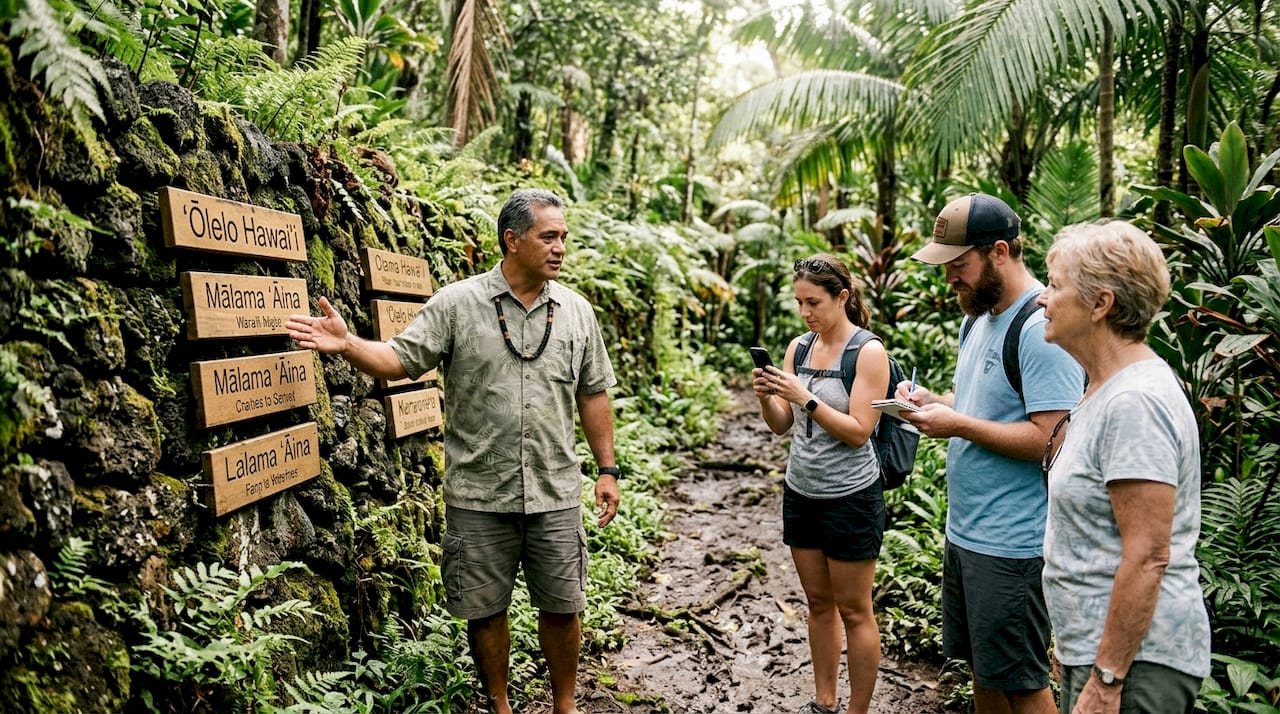
Pro Tip: Participating in local volunteer events often unlocks meaningful experiences and insider access to natural sites that aren’t open to regular tourists. Many conservation groups offer early-morning volunteer sessions followed by guided access to protected areas.
Top eco-friendly attractions and activities to consider
Armed with your checklist, let’s highlight some standout eco-attractions that embody these ideals. 🌌 These aren’t just “nice to do” options. They’re experiences that genuinely meet the criteria you’ve been building toward.
- Volunteer beach cleanups: Organizations across the islands run regular cleanup events. You’ll meet locals, protect marine ecosystems, and come away with a real sense of contribution.
- Taro or cacao farm visits: These farms often operate as living classrooms, teaching visitors about traditional Hawaiian agriculture and food systems. Many are family-owned and deeply tied to Native Hawaiian culture.
- Small-group cultural walking tours: Led by knowledgeable local guides, these tours cover history, language, and legend in ways that honor the land. Group sizes are typically kept small to minimize impact.
- E-bike and hiking eco-tours: Low-impact and high-reward. These tours cover stunning terrain without the carbon footprint of motorized vehicles.
- Indigenous forest preserves: Places like native bird sanctuaries and reforestation projects offer rare access to ecosystems being actively restored.
Visitor engagement in eco-tours was targeted to reach 50% by 2023, reflecting just how fast demand for sustainable options has grown. That momentum is real, and it means more quality options are available to you now than ever before.
For families and groups, cultural entertainment that blends storytelling with environmental awareness hits a sweet spot. You get the wow factor without the ecological cost. Check out these group activity ideas for inspiration on planning a full itinerary around sustainable choices.
Pro Tip: Choose activities during shoulder seasons (April to May or September to October) to lessen your impact on popular sites and enjoy more authentic, less crowded local experiences. You’ll also often find better pricing and more personal attention from guides.
Comparing eco-friendly experiences: What’s best for your Hawaii trip?
With so many options, it helps to compare how each experience matches your travel values and goals. Not every eco-activity is equal in terms of environmental impact, cultural depth, or accessibility.
Eco-tourism boosts local economies while reducing footprint, but adventure tours tend to carry a higher impact than cultural walks. The good news is that pairing a higher-impact activity with a volunteer day can offset that balance beautifully.
| Experience type | Group size | Wildlife policy | Conservation giving | Cultural immersion |
|---|---|---|---|---|
| Cultural walking tour | Small (under 10) | N/A | Often yes | Very high |
| Adventure eco-tour | Small to medium | No contact | Sometimes | Moderate |
| Volunteer conservation | Small | Active protection | Direct | High |
| Farm visit | Small | N/A | Indirect | High |
Best picks by traveler type:
- Families: Farm visits and cultural walking tours offer engaging, age-friendly content with low environmental impact.
- Solo travelers: Volunteer conservation days are fantastic for meeting like-minded people and having a direct positive impact.
- Culture seekers: Small-group cultural walks and indigenous forest preserves offer the richest connection to Hawaiian history and traditions.
For a deeper look at how cultural vs. adventure experiences compare in terms of value and impact, it’s worth thinking about what kind of memory you want to bring home. A thrilling adventure is wonderful. A meaningful cultural connection lasts a lifetime.
A local perspective: How to spot real sustainability in Hawaii
While checklists and comparisons help, a local’s experience reveals even deeper truths about sustainable travel in Hawaii. Here’s the honest reality: the eco-tourism label has become so popular that some operators use it as a marketing tool rather than a genuine commitment.
Certifications like Qurator and STA Hawaii provide real benchmarks, but not all self-proclaimed eco-tours adhere to them. Verifying credentials and looking for community involvement is essential, not optional.
Ask specific questions before you book. “Who owns this business?” “Which conservation organizations do you partner with?” “Can I see your certification?” These aren’t rude questions. They’re the right ones.
“Real sustainability in Hawaii means the land and the people both benefit. If the community isn’t part of the story, it’s not truly sustainable.”
The most powerful experiences we’ve seen connect visitors to Hawaiian cultural context in ways that feel earned, not packaged. Avoid mass tourism sites whenever possible. Choose certified, community-driven experiences, and you’ll not only reduce your footprint but also create memories that carry real meaning.
Pro Tip: If an operator can’t name a specific local conservation partner or community initiative, that’s a sign to keep looking.
Plan your eco-friendly adventure with Flight of Aloha
Ready to make a meaningful difference while enjoying Hawaii? Here’s your next step. 🌺
At Flight of Aloha, we believe that experiencing Hawaii’s beauty should also mean honoring and protecting it. Our immersive flying theater in Kailua-Kona blends breathtaking 8K visuals, authentic cultural storytelling rooted in Hawaiian legends, and a deep respect for the islands we call home. It’s the kind of experience that checks the boxes you’ve been reading about: small groups, cultural authenticity, and a genuine connection to Hawai’i’s spirit.

Use the certifications, checklist items, and comparison tips from this guide as your filter, and let Flight of Aloha be part of your sustainable Hawaii adventure. Book your experience and soar over the islands the right way.
Frequently asked questions
What makes an attraction eco-friendly in Hawaii?
A truly eco-friendly attraction uses small groups, certified guides, low-impact transport, and directly supports conservation or local communities. Certifications from Qurator or STA Hawaii are strong indicators of genuine commitment.
How can I tell if an eco-tour is authentic or just greenwashing?
Look for third-party certifications and ask specific questions about their conservation work. Verify credentials and check for evidence of local ownership and community benefits before you book.
Is it required to use reef-safe sunscreen in Hawaii?
Yes, Hawaii law (Act 104) bans sunscreens with harmful chemicals like oxybenzone, so only use reef-safe products that are Act 104 compliant when visiting the islands.
Can volunteering count as an eco-friendly activity?
Absolutely. Beach cleanups, native plantings, and conservation volunteering are among the most impactful choices for eco-conscious travelers visiting Hawaii.
Do eco-friendly attractions cost more?
Prices vary, but the added value often includes expert guides, smaller groups, and meaningful conservation support that makes the experience worth every dollar.
Recommended
- Sustainable Tourism In Hawaii Attractions: Visitor Guide | Flight Of Aloha
- Family Adventure Checklist: Unforgettable Hawaii Experiences | Flight Of Aloha
- 7 Ways To Enhance Your Hawaii Trip Experience | Flight Of Aloha
- Understanding Adventure Attractions In Hawaii Explained | Flight Of Aloha
- Nachhaltigkeit im Disneyland Paris: umweltfreundlich – 2000-reisen – Ihre Spezialisten für Urlaub mit Disney-Magie