
Hawaii attraction safety tips for families and cultural explorers 🌺
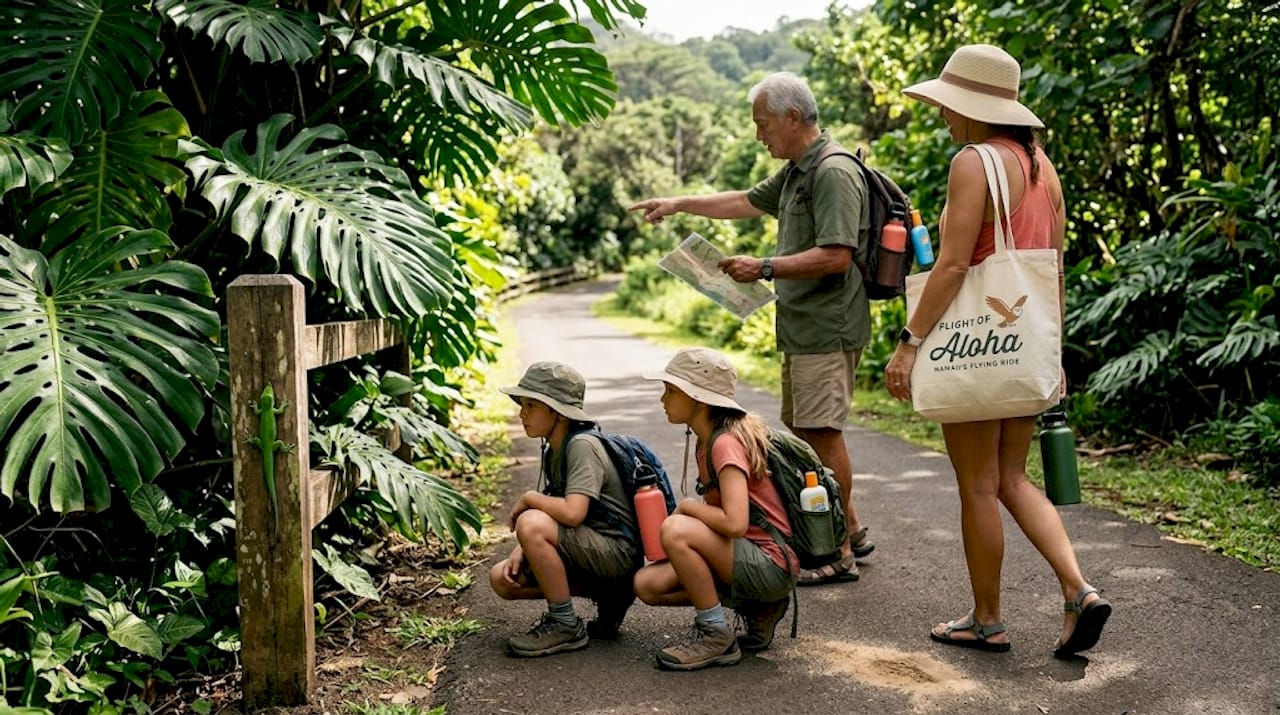
Planning a trip to Hawaiʻi with your family or group is genuinely exciting. The islands overflow with lush landscapes, ancient legends, and breathtaking natural wonders. But balancing real cultural immersion with everyday safety, especially when you’re traveling with kids or older adults, takes more than good intentions. It takes a thoughtful plan. This guide breaks down exactly how to find attractions that are both deeply authentic and genuinely safe, so your group can soak in every moment of aloha without worrying about avoidable mishaps along the way.
Key Takeaways
| Point | Details |
|---|---|
| Stay on marked trails | Protect yourself and cultural sites by following posted paths at Hawaiian attractions. |
| Prepare for variable conditions | Wear sturdy footwear, bring layers, and check the weather daily for safe outings. |
| Choose family-friendly sites | Select attractions that combine great safety records with interactive, educational experiences. |
| Respect local culture | Always follow etiquette and guidance at sacred or historical places for a meaningful visit. |
Selection criteria: What makes an attraction safe and immersive
With a sense of why safety matters, let’s build a checklist for picking attractions that balance excitement and security. Not every popular attraction automatically earns a spot on your family’s itinerary. The best ones check several important boxes before you ever book a ticket.
Here’s what to look for when evaluating cultural entertainment in Hawaii for your group:
Physical safety considerations
- Clear trail marking and signage: Look for attractions with well-maintained pathways and visible safety signs. Uneven lava terrain, steep descents, and slippery surfaces are real hazards in Hawaiʻi, so good infrastructure matters enormously.
- On-site staff or supervision: Guided experiences where trained staff are present add a critical layer of security. This is especially valuable at natural sites with unpredictable conditions.
- Accessibility for all ages and mobility levels: The best family-friendly options accommodate grandparents and toddlers alike. Check in advance for paved paths, ramps, or seated viewing areas.
Cultural respect protocols
- Clear visitor guidelines on respectful behavior: Reputable attractions will always post or provide instructions on how to engage respectfully with cultural items, sacred spaces, and traditional performers.
- No-touch policies for artifacts and sacred structures: This protects both visitors and irreplaceable cultural resources.
- Staying on marked trails: Going off-trail at cultural and natural sites risks both personal injury and damage to protected areas.
Educational and engagement value
- Opportunities for hands-on, supervised learning: The most immersive experiences let you participate, not just observe. Think storytelling sessions, traditional craft demonstrations, or guided cultural walks.
- Age-appropriate programming: The attraction should offer content that resonates with children and adults simultaneously, keeping everyone engaged and learning.
Pro Tip: Always check official park or attraction websites for current advisories before you visit. Trail closures, weather alerts, and temporary site restrictions can change quickly in Hawaiʻi’s dynamic environment.
Essential safety practices at Hawaii’s cultural and natural sites
After outlining the main criteria, here’s how to put them into action at real destinations. Even the safest attractions require visitors to show up prepared and respectful. These practical steps will keep your group protected and ensure you honor the places you visit.
Explore the must-do cultural experiences in Hawaiʻi, and you’ll notice that the most rewarding ones share a common thread: they reward mindful visitors.
Follow these steps at every cultural or natural site:
- Read all posted rules before entering. Every major site in Hawaiʻi posts visitor guidelines at the entrance. Take five minutes to read them as a family. It sets the right tone and prevents accidental rule-breaking.
- Stay strictly on marked trails. Marked trail safety is especially critical at places like Puʻuhonua o Hōnaunau National Historical Park, where uneven lava terrain borders sacred cultural structures.
- Never climb on or touch historical structures. These are not photo props. They are sacred remnants of a living culture. Touching or climbing them causes irreversible damage and is deeply disrespectful.
- Dress and prepare appropriately. Sturdy, closed-toe shoes with grip are non-negotiable for lava trail areas. Bring sunscreen, a hat, and a light rain layer, as conditions can shift within minutes.
- Educate your children before you arrive. A short conversation in the car or at breakfast can make a huge difference. Explain why these sites are sacred, why we don’t touch things, and why staying together matters.
“At sacred sites like Puʻuhonua o Hōnaunau National Historical Park, stay on marked trails to avoid damaging cultural resources and ensure safety on uneven lava terrain. Do not climb structures, touch artifacts, or go off-trail. Wear sturdy shoes for trails like the 1871 Trail, which is 2.5 miles round trip and rated moderate.” — National Park Service
Respecting conservation areas and local wildlife is equally important. Do not feed marine animals, pick native plants, or disturb nesting birds. Hawaiʻi’s ecosystems are fragile, and every visitor’s choices affect future generations.
Top family-safe, immersive attractions in Hawaii 🌌
Armed with key safety practices, let’s spotlight the best attractions where culture and security go hand-in-hand. Hawaiʻi offers an incredible variety of experiences, but these standouts consistently deliver on both fronts.
Puʻuhonua o Hōnaunau National Historical Park
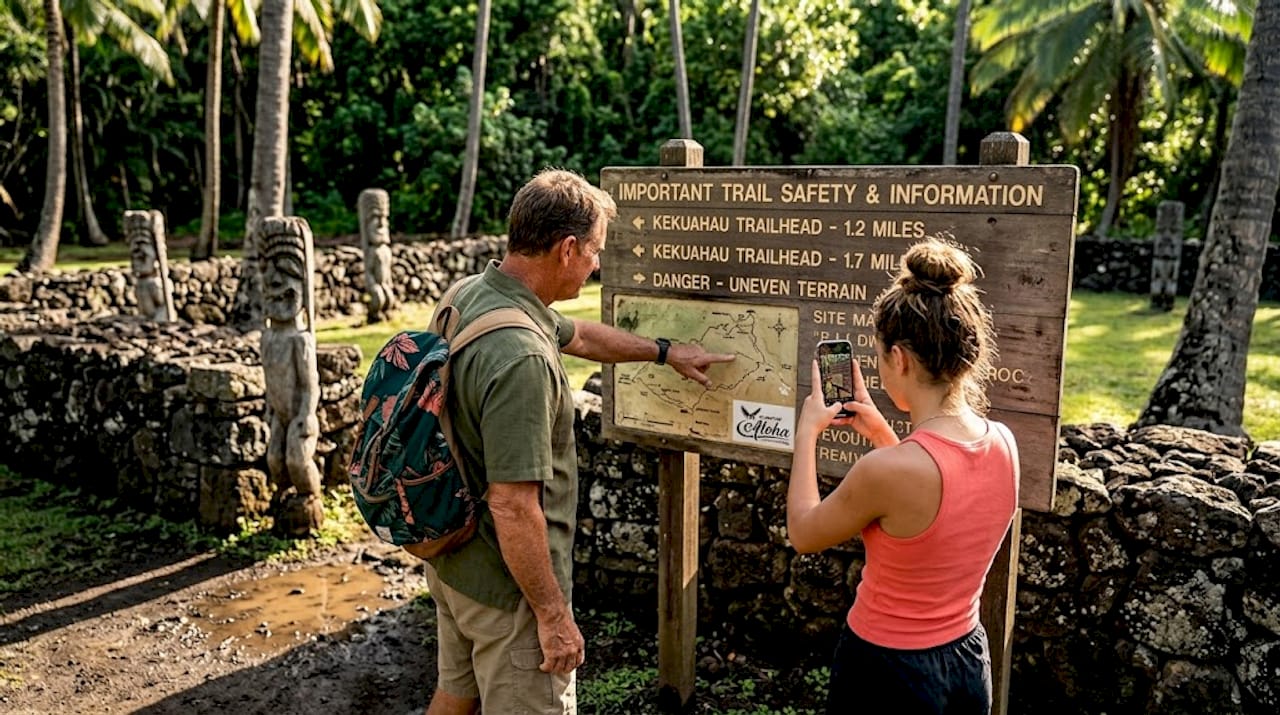
Located on the Big Island, this place is one of the most powerful cultural sites in all of Hawaiʻi. Clearly marked trails protect visitors on uneven lava terrain, while informational boards explain the significance of each structure. Park rangers are on-site to answer questions and ensure safety. It’s a living piece of Hawaiian history that speaks directly to concepts of refuge, honor, and community.
Waikiki Aquarium
One of the oldest aquariums in the United States, the Waikiki Aquarium on Oahu blends marine science with Pacific Island ecology. Interactive exhibits are designed with child safety in mind, including barriers that keep little hands safe near touch pools. It’s a wonderful option for families with younger children who may not yet be ready for outdoor trail hikes.
Bishop Museum in Honolulu
The Bishop Museum is a landmark institution for Hawaiian history and culture. Indoor exhibits mean no weather concerns, and the museum’s layout is highly accessible for strollers, wheelchairs, and multigenerational groups. Hands-on learning stations make it genuinely engaging for school-age children, and the depth of cultural content keeps adults captivated too. Check out practical family attraction tips before you visit to get the most out of your time there.
Traditional luaus with cultural performance boundaries
A guided, reputable luau is one of the most joyful ways to experience Hawaiian culture. Look for luaus that invite participation in hula, lei-making, or traditional games while clearly outlining what is and isn’t appropriate. The best ones strike a beautiful balance between festive fun and cultural dignity.
Pro Tip: Use a family-friendly checklist when booking any attraction to verify accessibility features, age requirements, and supervision policies in advance.
Here’s a quick at-a-glance comparison:
| Attraction | Ideal Age Range | Indoor/Outdoor | Cultural Depth | Accessibility |
|---|---|---|---|---|
| Puʻuhonua o Hōnaunau | 6 and up | Outdoor | Very High | Moderate |
| Waikiki Aquarium | All ages | Indoor/Outdoor | Medium | High |
| Bishop Museum | All ages | Indoor | Very High | Very High |
| Traditional Luau | All ages | Outdoor/Covered | High | High |
| Flight of Aloha | All ages | Indoor | Very High | Very High |
Quick comparison: Family safety features across top attractions
To help you pick the best fit for your family or group, see how top sites stack up on practical safety and cultural features. Good attraction safety tips remind us that safety is about more than avoiding injury. It’s also about preventing trip hazards, ensuring group cohesion, and creating an experience where everyone feels secure enough to be fully present.
Thoughtful planning around preventing trip hazards at cultural venues is often overlooked, but it directly impacts how smoothly your visit goes, especially with toddlers or elderly family members in tow.
| Safety Feature | Puʻuhonua o Hōnaunau | Waikiki Aquarium | Bishop Museum | Luau | Flight of Aloha |
|---|---|---|---|---|---|
| Marked trails/paths | ✅ | ✅ | ✅ | ✅ | ✅ |
| On-site staff | ✅ | ✅ | ✅ | ✅ | ✅ |
| Wheelchair accessible | Partial | ✅ | ✅ | ✅ | ✅ |
| No-touch artifact policy | ✅ | Partial | ✅ | N/A | N/A |
| Suitable for toddlers | With care | ✅ | ✅ | ✅ | ✅ |
| Weather dependent | Yes | Partial | No | Partial | No |
| Cultural programming | ✅ | Partial | ✅ | ✅ | ✅ |
This comparison makes it clear that indoor attractions like the Bishop Museum and Flight of Aloha offer the highest level of predictability and accessibility. Outdoor sites like Puʻuhonua o Hōnaunau offer unmatched cultural depth but require more preparation. Ideally, your trip balances both types of experiences to give your group a rich, well-rounded picture of Hawaiʻi.
Situational safety: Tips for hiking, transport, and sudden weather in Hawaii
Comparing attractions is helpful, but staying safe also means preparing for unique Hawaiian conditions. The islands are beautiful precisely because of their wild, unpredictable nature. That same nature deserves real respect from every visitor.
Here are key situational safety tips for families and groups:
- Dress in smart layers. Mornings can be cool at higher elevations while afternoons near the coast feel intensely warm. Pack a lightweight rain jacket, breathable clothing, and a hat for every outdoor outing.
- Sunscreen is non-negotiable. Hawaii’s UV index is among the highest in the United States year-round. Apply broad-spectrum SPF 50 before heading out and reapply every two hours.
- Stay on designated paths, especially near lava fields. Lava terrain can be razor-sharp and unpredictable. The 1871 Trail at Puʻuhonua o Hōnaunau is a classic example, rated moderate and best suited for those in good physical condition wearing proper footwear.
- Assess your group’s fitness honestly. Before booking a hike, think carefully about every member of your group. A trail that’s easy for a fit adult may be genuinely difficult for a child under five or an older adult with joint issues. Choose trails that match your least mobile group member.
- Book reliable, vetted group transportation. For large families or tour groups, coordinating transport between attractions can be stressful. Using reputable safe group travel options ensures everyone arrives together and on time, especially when visiting multiple sites in a single day.
- Prepare for sudden rain. Tropical showers can appear with very little warning on the Big Island, Maui, and Kauai. Check the National Weather Service forecast each morning and keep a light rain poncho in your day bag.
Connecting with the immersive experiences in Hawaii that are thoughtfully designed for visitors means you also benefit from attractions that factor weather, terrain, and group logistics into their planning, so you don’t have to do it all alone.
Pro Tip: Download offline maps for each area you plan to visit using Google Maps or AllTrails before you leave your hotel. Cell service can be unreliable at remote cultural sites and in valleys. Also, share your daily itinerary and an emergency contact plan with someone not traveling with you.
Our perspective: What most visitors miss about Hawaii attraction safety
Most travel guides focus heavily on the practical side of safety, and that information is genuinely valuable. But here’s what we believe is just as important: your mindset going into these experiences shapes everything.
Many visitors underestimate how seriously Hawaiian culture treats sacred spaces. This isn’t like visiting a museum where you simply look with your eyes. These are living cultural landscapes where people’s ancestors are buried, where ceremonies still take place, and where the land itself is considered sacred. When visitors ignore posted signs or casually step off a trail to snap a photo, they’re not just risking their own safety. They’re disrespecting generations of tradition.
The most memorable trips we hear about from our guests are always the ones where curiosity was paired with genuine respect. When you approach a site with humility, when you ask questions, when you listen to guides and follow the rules, the experience opens up in ways that casual observers never get to see.
Explore what cultural preservation in Hawaii really means before you visit. It shifts how you see every plaque, every trail marker, and every performance you encounter. Safety and cultural respect aren’t two separate things. They’re the same thing, expressed in different directions.
Plan your safe, unforgettable Hawaiian adventure
You’ve got the knowledge. Now it’s time to put it into action. 🌺 Whether you’re planning your first visit to the Big Island or bringing your family back to Hawaiʻi for another chapter of memories, choosing the right experiences makes all the difference.

At Flight of Aloha, we’ve built something truly special in Kailua-Kona: a fully indoor, climate-controlled flying theater that blends 8K visuals, motion effects, authentic scents, and wind to carry you soaring over Hawaiʻi’s most breathtaking landscapes. It’s safe for every age group, deeply rooted in real Hawaiian cultural storytelling, and absolutely unforgettable. Think of it as a helicopter tour and a Disney ride having a baby, rooted entirely in aloha. Book your experience today and let us show you Hawaiʻi from a whole new perspective.
Frequently asked questions
How can I keep kids safe at Hawaiian cultural sites?
Always supervise children closely, stay on marked trails at all times, teach them not to touch artifacts before you arrive, and look for attractions that offer structured guided activities to keep young visitors engaged and safe.
What should I wear for safe visits to outdoor Hawaiian attractions?
Wear sturdy, closed-toe shoes with good grip for uneven or lava terrain, bring lightweight layers for changing temperatures, and always apply and repack sunscreen since Hawaii’s UV levels are intense even on overcast days. Trail footwear guidelines at places like Puʻuhonua o Hōnaunau specifically recommend sturdy shoes for the moderate-rated 1871 Trail.
Are there any cultural etiquette rules I should know for Hawaiian attractions?
Yes, always ask before participating in any cultural activity, never touch or climb on sacred structures or artifacts, and follow all instructions from site staff and posted signage because these rules exist to protect both visitors and irreplaceable heritage sites.
How do I handle Hawaii’s sudden weather changes while visiting attractions?
Check the National Weather Service forecast each morning, pack a lightweight rain jacket in your day bag regardless of how sunny it looks at departure, and always have a backup plan that includes an indoor attraction or museum in case conditions become unsafe outdoors.
Can large family groups find safe transportation between attractions?
Absolutely. Using reputable group transport providers or booking guided tours that include transportation is the safest and most stress-free option for larger families, ensuring everyone stays together and arrives on time without the chaos of coordinating multiple vehicles.
Recommended
- Family-friendly Cultural Tourism Checklist Hawaii 2026 | Flight Of Aloha
- Family Adventure Checklist: Unforgettable Hawaii Experiences | Flight Of Aloha
- How To Enhance Family Outings For Memorable Hawaiian Adventures | Flight Of Aloha
- Family-Friendly Attractions: Complete Guide For 2024 | Flight Of Aloha