
How to Maximize Your Visit Experience in Hawaii
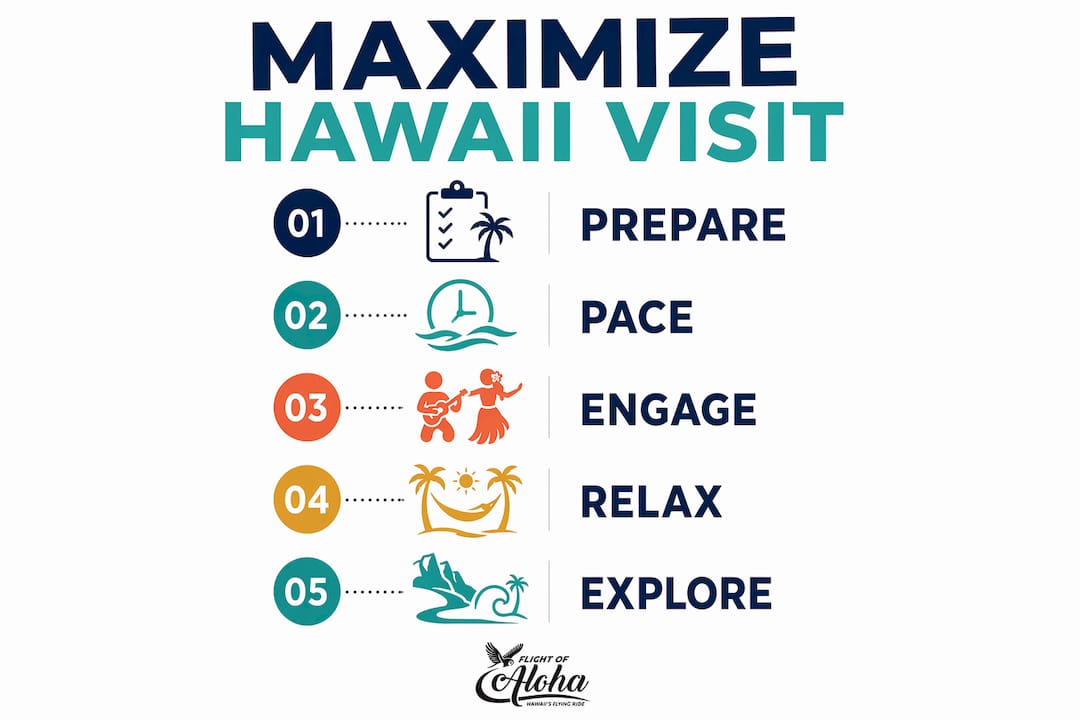
Maximizing your visit experience in Hawaii means choosing meaningful activities, pacing yourself wisely, and connecting with authentic Hawaiian culture. Travelers who plan ahead, book directly, and build in rest time consistently report richer, more memorable trips. The difference between a good visit and a great one comes down to three things: preparation, smart movement, and cultural immersion. Flight of Aloha, a Native Hawaiian-owned immersive flying theater in Kailua-Kona and Whalers Village Kaanapali Maui, is one of the best examples of how a single well-chosen attraction can anchor an entire day of meaningful discovery.
How to maximize your visit experience: the essential prep
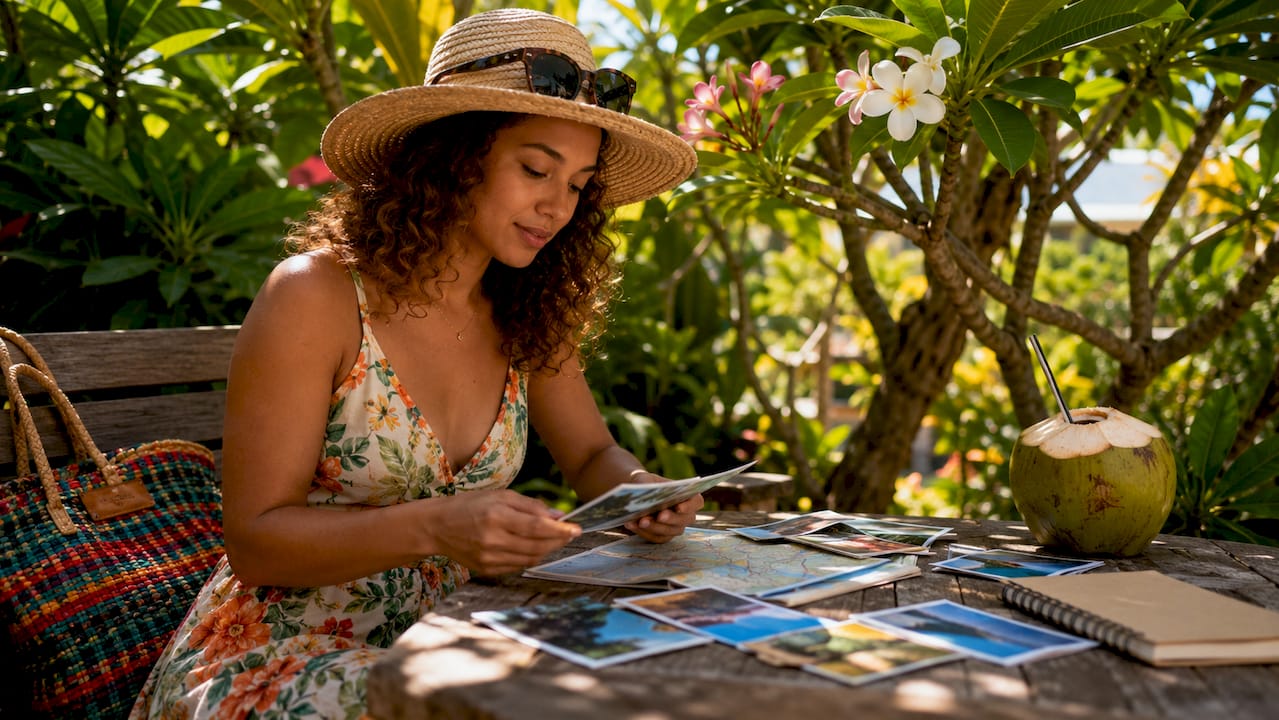
The foundation of a great visit is preparation done before you leave your hotel room. Booking directly through official attraction websites avoids third-party fees and guarantees your entry time. Researching maps, show schedules, and activity options in advance lets you walk in with a clear plan instead of wasting time at the entrance figuring things out.
Arriving 15 minutes early reduces check-in delays that can consume a significant portion of your scheduled visit time. That buffer also gives you a calm start, which sets the tone for the whole experience. Wear comfortable footwear, pack water, and bring a light layer if you plan to spend time in air-conditioned venues.
Here is a quick-reference prep checklist before any major Hawaii attraction:
- Book tickets online at least 24 hours in advance to lock in your preferred time slot
- Review the attraction map or schedule so you know which experiences matter most to you
- Write a short priority list of two or three must-do activities to keep focus
- Pack essentials: sunscreen, water, comfortable shoes, and a light jacket for indoor venues
- Plan your transport so you are not scrambling for parking or rideshares on arrival
Mid-week visits on Tuesday through Thursday are consistently quieter than weekends. Smaller crowds mean shorter lines, more space to breathe, and a calmer overall atmosphere.
Pro Tip: Write your priority list the night before, not the morning of. A fresh mind makes better decisions than a rushed one at the trailhead or ticket counter.
| Prep tool | Why it matters |
|---|---|
| Official booking site | Avoids fees, confirms entry time |
| Attraction map or app | Reduces wasted walking and decision fatigue |
| Priority activity list | Keeps focus on what matters most |
| Comfortable footwear | Prevents early fatigue from physical discomfort |
| Early arrival buffer | Protects your scheduled time from check-in delays |
How does pacing improve your experience at Hawaiian attractions?
Pacing is the single most underrated skill in travel. Attention declines after 45–60 minutes of continuous exploration, and scheduled seated breaks restore clarity before fatigue sets in. Pushing through that wall does not make you more efficient. It makes everything after it blur together.
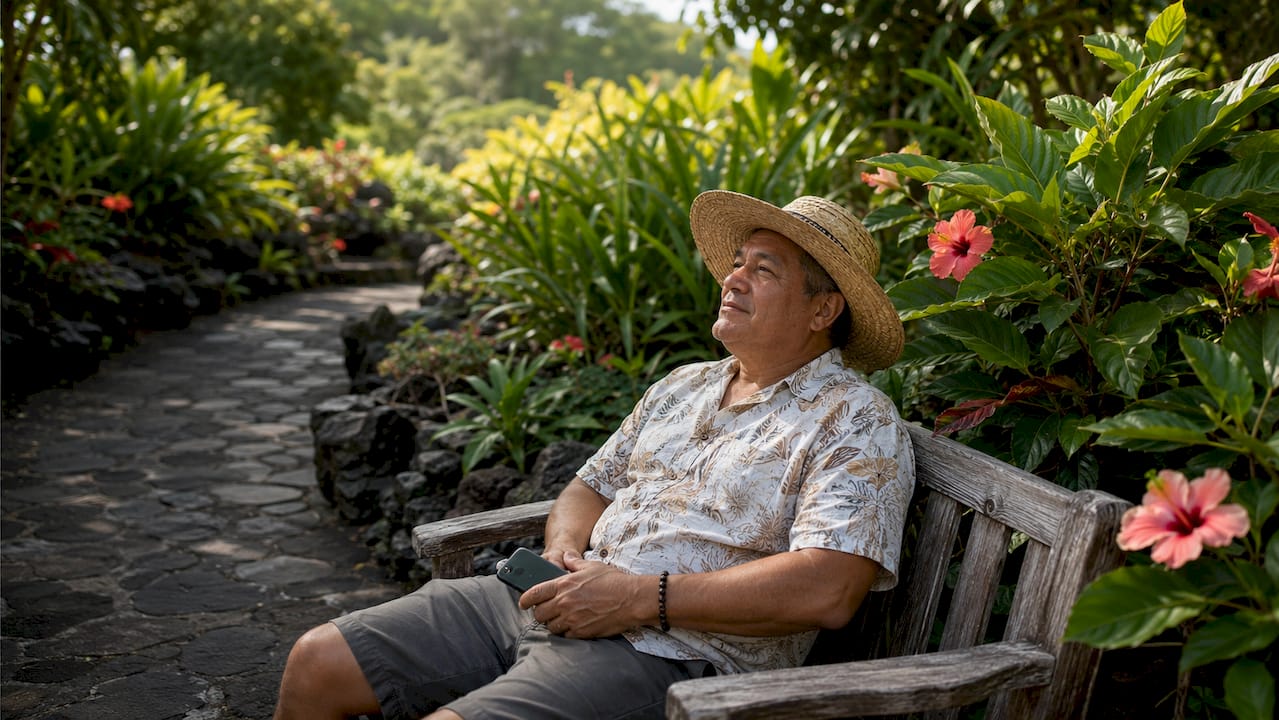
Focused 90-minute sessions consistently outperform disorganized all-day attempts. Visitors who set a clear time window for each attraction tend to leave feeling satisfied rather than drained. Think of it like eating: a well-paced meal is more enjoyable than inhaling everything on the table at once.
Strategic movement matters just as much as timing. Starting with less crowded areas before heading to flagship spots helps you avoid early burnout and congestion. Most visitors exhaust their energy near the entrance, so reversing the typical flow gives you a real advantage.
Here is how to pace a Hawaii attraction visit effectively:
- Limit continuous exploration to 45–60 minutes, then take a seated break before moving on
- Start in quieter sections and work toward the most popular areas as crowds thin
- Complete one zone fully before moving to the next to cut down on backtracking
- Build in a midpoint reset: sit, hydrate, and check your priority list before the second half
- Leave before you feel done. Ending on a high note beats ending on exhaustion
Understanding visitor workflow shapes how much you actually absorb and enjoy. Attractions designed with clear spatial flow, like Flight of Aloha’s theater format, remove the guesswork entirely and let you focus on the experience itself.
Pro Tip: Set a phone timer for 50 minutes when you start exploring. When it goes off, find a seat before you think you need one. You will thank yourself in the second half of the day.
What unique cultural attractions should you include in your Hawaii visit?
Hawaii’s most memorable experiences are rooted in culture, not just scenery. Engaging with Native Hawaiian-owned experiences gives you access to authentic storytelling that no generic tour can replicate. The legends, the land, and the people behind them are inseparable, and the best attractions in Hawaii know that.
Flight of Aloha is the clearest example of this done right. Located in Kailua-Kona and Whalers Village Kaanapali Maui, it blends 8K visuals, motion effects, scents, and wind to simulate flying over Hawaii’s most iconic landscapes. Films like “Naupaka,” “Lahaina,” and “Whale Song” are grounded in Hawaiian legend and told through a Native Hawaiian lens. The result feels less like a ride and more like a conversation with the islands.
Sensory-rich attractions deepen emotional connection to a place in ways that reading a plaque never can. When you feel the wind, smell the ocean, and see the coastline in 8K, your brain encodes the experience differently. That is why immersive attractions in Hawaii consistently rank among the most memorable parts of visitors’ trips.
Here is how to build cultural depth into your Hawaii itinerary:
- Prioritize Native Hawaiian-owned businesses for tours, food, and entertainment
- Choose immersive formats over passive ones: flying theaters, cultural performances, and hands-on experiences stick with you longer
- Balance tech-driven and traditional experiences so the trip feels grounded, not just entertaining
- Ask questions. The best cultural experiences invite dialogue, and local guides and hosts appreciate genuine curiosity
Technology works best as a quiet companion in cultural settings, enriching storytelling without creating cognitive overload. Flight of Aloha uses it exactly that way: the technology disappears into the experience, and what remains is the story of Hawaii.
How do you avoid common mistakes that reduce visit satisfaction?
The most common visit mistake in Hawaii is trying to do too much. Memory improves with depth of engagement with fewer experiences rather than a scattered attempt to see everything. Limiting yourself to three to five key activities per day produces stronger memories and higher satisfaction than a packed itinerary.
Overcrowding is the second biggest problem. Mid-week visits, as noted earlier, reduce this significantly. When crowds are unavoidable, adjust your movement pattern: skip the line, visit a nearby secondary attraction, and return to the flagship spot 30 minutes later. Flexibility is not a backup plan. It is the plan.
Cognitive overload is real and sneaks up fast. Signs include irritability, difficulty making decisions, and a general sense that nothing is interesting anymore. That is your brain telling you to stop, not push harder. Take a break, get food, and reset before continuing.
- Avoid peak weekend crowds by visiting Tuesday through Thursday when possible
- Recognize fatigue signals early and take breaks before you hit the wall
- Choose quality over quantity: three deeply enjoyed experiences beat ten rushed ones
- Stay flexible when congestion or closures disrupt your plan
- Leave room for spontaneity. Curiosity-led exploration increases dwell time and personal connection more than rigid preset paths
Pro Tip: Build one “blank hour” into every full-day itinerary. No plan, no destination. Just wander. Some of the best Hawaii moments happen when you stop scheduling them.
Key Takeaways
The most effective way to maximize your visit experience in Hawaii is to prepare before you arrive, pace your exploration in focused sessions, and choose culturally immersive activities that engage all your senses.
| Point | Details |
|---|---|
| Prepare before you arrive | Book tickets online, review maps, and write a short priority list the night before. |
| Pace in focused sessions | Limit continuous exploration to 45–60 minutes and take seated breaks to maintain engagement. |
| Start in quieter areas | Reversing the typical visitor flow reduces early fatigue and congestion at popular spots. |
| Choose cultural immersion | Native Hawaiian-owned experiences like Flight of Aloha create deeper, more lasting memories. |
| Prioritize depth over volume | Three to five well-chosen activities per day outperform a packed, scattered itinerary. |
What I have learned from watching visitors get Hawaii right (and wrong)
The travelers who leave Hawaii most satisfied are almost never the ones who did the most. They are the ones who slowed down enough to actually feel where they were.
I have seen visitors rush through Kona in four hours, checking boxes and taking photos, and leave feeling vaguely disappointed. I have also seen visitors spend a morning at Flight of Aloha, sit with the story of Naupaka, and walk out genuinely moved. The difference is not time. It is intention.
The conventional wisdom says to maximize your trip by fitting in as much as possible. I think that is exactly wrong. Hawaii rewards presence. The islands have a pace of their own, and the visitors who match it, who take the break, who choose the immersive experience over the rushed one, consistently describe their trips as transformative.
Flight of Aloha works as well as it does because it removes the pressure to perform tourism. You sit down, the story begins, and Hawaii comes to you. On a rainy day in Kona or a vog-heavy afternoon in Maui, that is not a consolation prize. It is the best seat in the house.
My honest advice: cut your itinerary by 30% and go deeper on what remains. You will remember more, feel less tired, and leave wanting to come back.
— Ola
Flight of Aloha: the most accessible immersive experience in Hawaii
Flight of Aloha is the attraction that fits every kind of Hawaii day. Rainy morning in Kona? It has the best AC in town and a story worth sitting through twice. Vog rolling in on Maui? Whalers Village Kaanapali is right there. Arriving by cruise ship? Flight of Aloha is walking distance from Kailua Pier and Tender Dock, making it the perfect shore excursion for visitors with limited time.
As a Native Hawaiian-owned flying theater, Flight of Aloha delivers aerial views of Hawaii’s most stunning landscapes without the $400 price tag or motion sickness of a helicopter tour. The 8K visuals, motion seats, ocean scents, and wind effects put you over the islands in a way that feels genuinely real. Films like “Lahaina” and “Whale Song” connect you to Hawaiian culture through legend and landscape. VIP experiences and annual passes are available for visitors who want more. Book online to secure your seat.
FAQ
What is the best way to prepare for a Hawaii attraction visit?
Book tickets directly through the official website, arrive 15 minutes early, and write a short priority list of two to three must-do activities the night before. Mid-week visits on Tuesday through Thursday are consistently less crowded than weekends.
How long should I spend at each attraction in Hawaii?
Focused sessions of 90 minutes with a seated break at the midpoint produce better engagement and memory than longer, unstructured visits. Attention declines after 45–60 minutes of continuous exploration, so plan breaks before fatigue sets in.
Is Flight of Aloha good for rainy days or bad weather in Hawaii?
Flight of Aloha is the top indoor option in Kona and Maui for rainy days, vog, or extreme heat. It is fully air-conditioned, located in Kailua-Kona and Whalers Village Kaanapali, and offers a complete cultural experience regardless of outdoor conditions.
How do I avoid crowds at popular Hawaii attractions?
Visit mid-week, arrive early, and start in less crowded secondary areas before moving to flagship spots. When lines are long, visit a nearby activity and return 30 minutes later when congestion typically eases.
What makes an immersive attraction better than a standard tour?
Immersive experiences engage multiple senses at once, which deepens emotional connection and improves memory retention. Sensory-rich formats like Flight of Aloha’s flying theater use 8K visuals, motion, scent, and wind to create a connection to place that a standard tour simply cannot replicate.
Recommended
- How To Enhance Family Outings For Memorable Hawaiian Adventures | Flight Of Aloha
- How To Plan Attraction Itinerary For Hawaiian Experiences | Flight Of Aloha
- 7 Ways To Enhance Your Hawaii Trip Experience | Flight Of Aloha
- How To Maximize Hawaii Itinerary For Unforgettable Adventures | Flight Of Aloha