
The Role of Culture in Travel Experiences 🌺

Culture does more than decorate a destination. The role of culture in experiences goes far deeper than the food you taste or the dance performance you watch from your seat. Culture shapes what you notice, how you feel, and what meaning you carry home. For travelers heading to places like Kailua-Kona on Hawai’i’s Big Island, understanding this can be the difference between a vacation and a genuinely life-changing experience. This article breaks down how culture influences the way we perceive, engage with, and grow from our travels.
Key Takeaways
| Point | Details |
|---|---|
| Culture shapes perception | Your cultural background filters what you notice and how you interpret new experiences. |
| Authenticity matters | Genuine cultural immersion predicts stronger satisfaction and lasting memory than staged performances. |
| Immersion has phases | Deep cultural engagement follows a three-phase arc that few travelers fully complete. |
| Cultural participation boosts well-being | Engaging with culture improves life satisfaction, especially for those outside dominant social groups. |
| Respectful engagement is essential | Supporting Native-owned, community-led experiences protects cultures from commodification. |
The role of culture in experiences: a psychological foundation
Most people think of culture as the visible stuff. Costumes, ceremonies, cuisine. But culture includes symbols, language, norms, values, and artifacts that run far deeper than what you can photograph. These elements form the operating system of a society, shaping how people think, relate to each other, and make sense of the world.
When you travel, your own cultural programming comes with you. It acts as a lens, filtering every new sight, sound, and interaction through a set of assumptions you may not even realize you’re carrying. This is where the impact of culture on experiences becomes truly fascinating.
Here’s what culture is actually doing to your brain when you travel:
- Shaping self-concept: Your identity is culturally constructed. When you step into a different cultural setting, you may feel disoriented not because the place is strange, but because your usual sense of self doesn’t quite fit.
- Influencing emotional construction: Different cultures literally experience and express emotions differently. What feels joyful in one context can feel uncomfortable in another.
- Directing social cognition: You read other people through cultural cues. When those cues are unfamiliar, you may misread intentions, warmth, or boundaries.
- Creating cultural distance: The further a destination’s culture is from your own, the more cognitive effort you spend just navigating daily interactions, which can either exhaust or exhilarate you.
This is why two people can stand in the same sacred Hawaiian site and walk away with completely different experiences. Cultural influences in life don’t disappear when you board a plane. They travel with you. Understanding this is your first real tool for deeper engagement.
Authenticity vs. the tourist trap
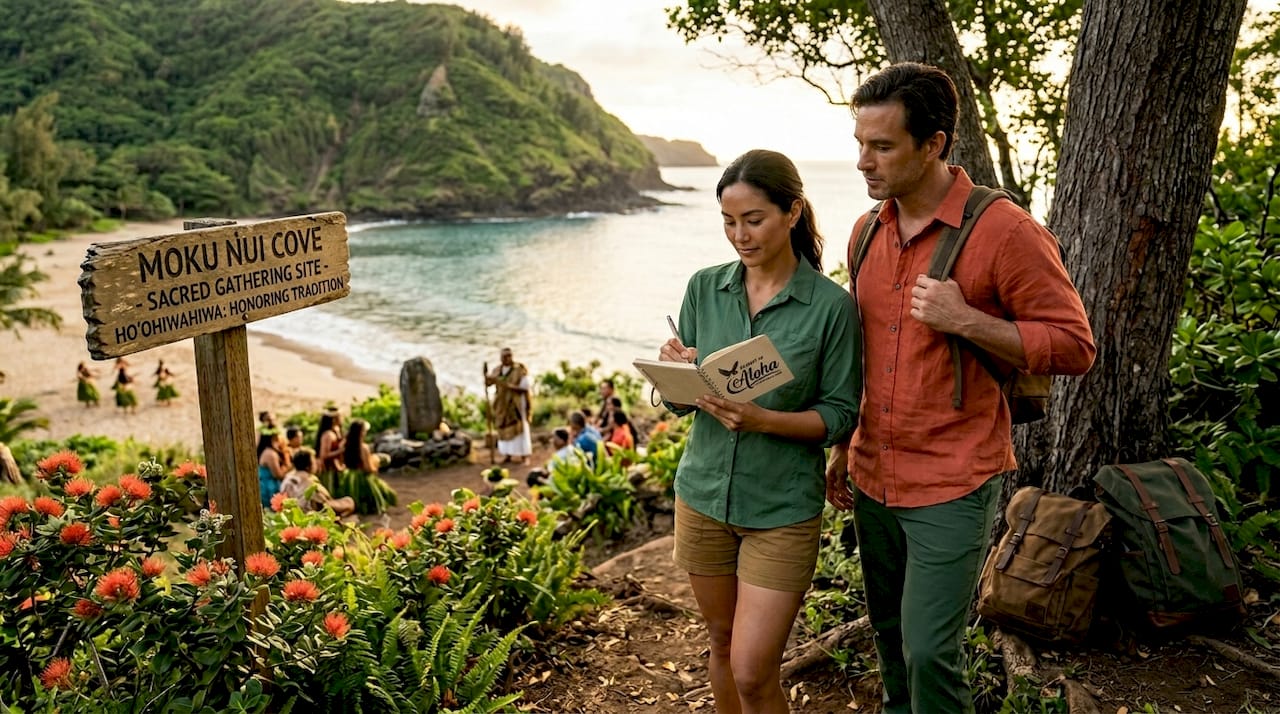
Here’s a tension every thoughtful traveler eventually bumps into. You want real cultural connection. But the travel industry often delivers a polished, packaged version of culture designed to be palatable rather than genuine.
Researchers distinguish between two very different kinds of authenticity in travel. Staged authenticity is what gets designed for tourists: performances, demonstrations, and displays that look traditional but exist primarily to meet visitor expectations. Existential authenticity is internal. It’s what you feel when an experience genuinely connects you to something larger than yourself, independent of whether every detail is historically accurate.
| Type | What it looks like | Effect on the traveler |
|---|---|---|
| Staged authenticity | Cultural performance designed for visitors | Surface-level interest, forgettable |
| Existential authenticity | Genuine participation in living traditions | Emotional resonance, lasting memory |
| Commodified culture | Traditions reduced to souvenirs or spectacle | Can erode local cultural meaning |
| Community-led experience | Culture shared on community’s own terms | Mutual respect, deeper connection |
Perceived cultural authenticity predicts sustained tourism behavior through experience quality and a genuine sense of place. In plain terms, when you feel something is real, you remember it, talk about it, and want to return. When you sense you’ve been sold a performance, the experience evaporates.
The commodification spectrum in cultural tourism ranges from thoughtful community-led experiences all the way to full-scale commercialization where a living tradition becomes a theme park element. Indigenous-led tourism initiatives, like those rooted in Native Hawaiian culture, tend to sit at the authentic end because the community controls the narrative.
Pro Tip: When evaluating a cultural experience, ask who benefits economically, who tells the story, and whether the community has agency over how their culture is presented. Those three questions cut through most tourist-trap packaging instantly.
How deep immersion actually works
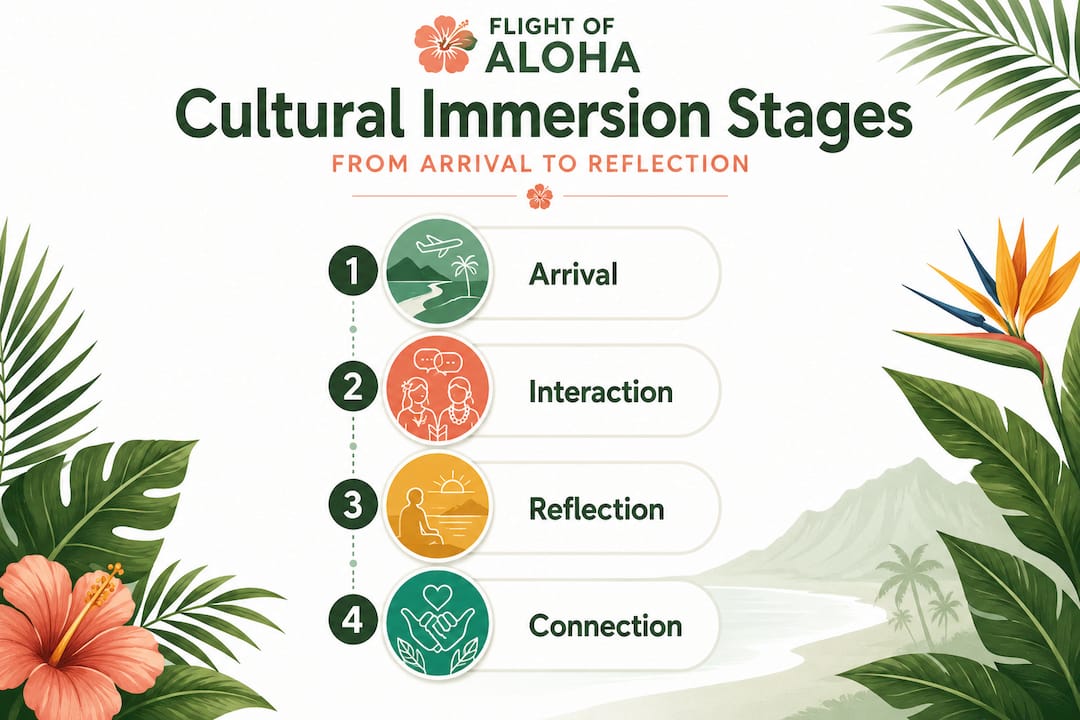
Most travelers experience culture at the surface level. They observe. They photograph. They move on. But the richest cultural experiences follow a three-phase psychological arc that, once you understand it, you can consciously work toward.
-
Initial environmental immersion. This is your first contact. New sounds, smells, and visual cues flood your senses. Your brain is in pattern-recognition mode, comparing everything to what it already knows. This phase is exciting but mostly about orientation.
-
Deep interaction with symbolic meaning. This is where the real shift happens. You move from observing the surface of a culture to engaging with what things mean to the people who live them. A Hawaiian legend told by someone whose family carries that story is not the same as reading a plaque at a museum. Tourist ritual perception evolves through phases that connect emotional energy to cultural meaning, and this phase is where emotional synchronization begins.
-
Post-experience reflection and meaning integration. Few travelers fully reach this phase, yet it’s where transformation actually lives. Sitting with what you felt, letting it inform your worldview, and connecting the experience to your own identity. This is the difference between a story you tell once and a memory that quietly reshapes you.
Understanding this arc matters because you can deliberately prepare for each phase. Before you arrive somewhere, learn the core stories, not just the history. During the experience, ask questions and participate rather than just watch. Afterward, write down what surprised you or moved you.
Pro Tip: Bring a small journal when visiting cultural sites or attending immersive experiences. Writing two or three sentences immediately after, while sensory memory is still fresh, dramatically accelerates meaning integration and helps you connect culture and personal experiences in lasting ways.
Studies confirm that experiential learning through active participation produces stronger emotional engagement than passive observation alone. You don’t have to be an anthropologist. You just have to be willing to show up with genuine curiosity.
The broader impact: community, identity, and well-being
The conversation about how culture shapes experiences doesn’t stop with the individual traveler. Cultural participation has measurable ripple effects on entire communities.
Research shows that cultural participation drives life satisfaction, particularly for disadvantaged groups where access to niche cultural expression closes well-being gaps that other social interventions can’t reach. This means the cultural experiences you seek out as a visitor are not neutral. They either support the vitality of a living culture or quietly drain it.
Here’s what sustainable cultural tourism actually protects:
- Cultural continuity: When local traditions are celebrated and economically supported by respectful visitors, communities pass those traditions to the next generation with pride rather than shame.
- Collective dignity: A culture that has agency over its own storytelling retains dignity. One that must perform on demand for outside approval gradually loses it.
- Personal identity for residents: For Native Hawaiians, for example, the ability to share their culture authentically, on their own terms, is inseparable from their sense of self.
- Community-based tourism models: These shift economic benefit back to local people rather than funneling it outward to large tourism corporations.
“Culture acts as a living system requiring circulation, trust, and supportive conditions to produce meaning and connection sustainably.” — What culture can carry
Sustainable destination governance depends on emotional engagement types rather than visitor volume alone. Quantity of tourists does not equal quality of cultural exchange. What matters is whether the connection is genuine, mutual, and supported by structures that allow the culture to flourish rather than just survive. The role of traditions in experiences is only preserved when those traditions have space and support to keep living.
Applying cultural understanding to your travel plans
Knowing this, how do you actually make better choices when planning a trip to Kona or anywhere on the Big Island? Here are practical ways to honor culture and get more out of your visit:
- Choose Native-owned or community-led experiences. Look for attractions where Native Hawaiians are the storytellers and the beneficiaries, not just the subject matter. This is the clearest single signal of authentic engagement.
- Learn before you land. Understanding the basics of Hawaiian cultural values, the significance of the land (aina), the ocean, and family (ohana), changes everything you see mauka and makai.
- Participate, don’t just observe. Whether it’s a cultural workshop, an immersive theater experience, or a guided farm tour, active participation produces the kind of experiential learning that transforms a good trip into a great one.
- Support cultural storytelling in all its forms. From local legends embedded in attractions to oral histories shared by guides, storytelling is how culture stays alive.
- Spend thoughtfully. Every dollar you spend on a cultural experience is a vote. Spend it with businesses that reinvest in the community and treat culture as sacred, not as scenery.
Whether you’re a first-time visitor stepping off a cruise tender at Kailua Pier or a repeat traveler looking to go deeper than snorkel tours and coffee farm stops, these habits will shape the quality of everything you experience here.
My take: what years in Kona taught me about cultural depth
I’ve spent a lot of time thinking about why some visitors leave Kona completely transformed and others leave with just a tan and a bag of macadamia nuts.
In my experience, the travelers who connect most deeply are the ones who walk in with humility. They don’t arrive expecting Hawai’i to perform for them. They arrive curious about what this place actually is, what it has survived, and what it still carries.
I’ve seen what happens when culture gets stripped down to a photo opportunity. It hollows something out, both in the visitor and in the community. That’s why I genuinely believe in experiences like Flight of Aloha, which put Native Hawaiian storytelling at the center rather than the background. Cultural entertainment done right doesn’t just inform you. It moves you.
My honest advice? Slow down. Let the stories of this land land inside you. The cultural differences in perception you’ll notice here aren’t barriers. They’re invitations.
— Ola
Experience Hawaiian culture the right way
You’ve just explored the depth of what culture can do to a travel experience. Now here’s your next step.

Flight of Aloha is a Native Hawaiian-owned immersive flying theater located inside King Kamehameha’s Kona Beach Hotel, walking distance from Kailua Pier. Think of it as what you’d get if a helicopter tour and a Disney ride had a baby, rooted in aloha. With 8K visuals, motion effects, wind, and authentic scents, films like Naupaka and Lahaina bring Hawaiian legends to life in ways no luau show can match. It’s also the best air-conditioned escape in Kona on a rainy day or when the vog rolls in. Skip the $400 helicopter fare and experience Hawai’i from every breathtaking angle for a fraction of the cost. Book online to secure your seat.
FAQ
What is the role of culture in travel experiences?
Culture shapes how travelers perceive, emotionally respond to, and find meaning in new environments. It acts as a filter through which every sight, interaction, and story is interpreted.
How does authenticity affect cultural tourism?
Perceived cultural authenticity directly predicts a traveler’s sense of place and their likelihood of returning. Genuine, community-led experiences produce far stronger emotional connection than staged performances.
What are the three phases of cultural immersion?
Deep cultural engagement follows an arc of initial environmental contact, symbolic interaction, and post-experience reflection. Most travelers never fully reach the third phase, which is where real personal transformation happens.
Why does cultural participation improve well-being?
Studies show that niche cultural participation boosts life satisfaction across demographics, with particularly strong effects for people in disadvantaged groups who benefit from seeing their own stories reflected and valued.
How can travelers avoid cultural commodification in Kona?
Choose Native-owned experiences, ask who benefits from your spending, and look for attractions where Hawaiian culture is told by Hawaiians, on their terms. Flight of Aloha is a strong example of this approach in Kailua-Kona.