
Virtual Reality Attraction Examples: Top Picks for 2026 🌌
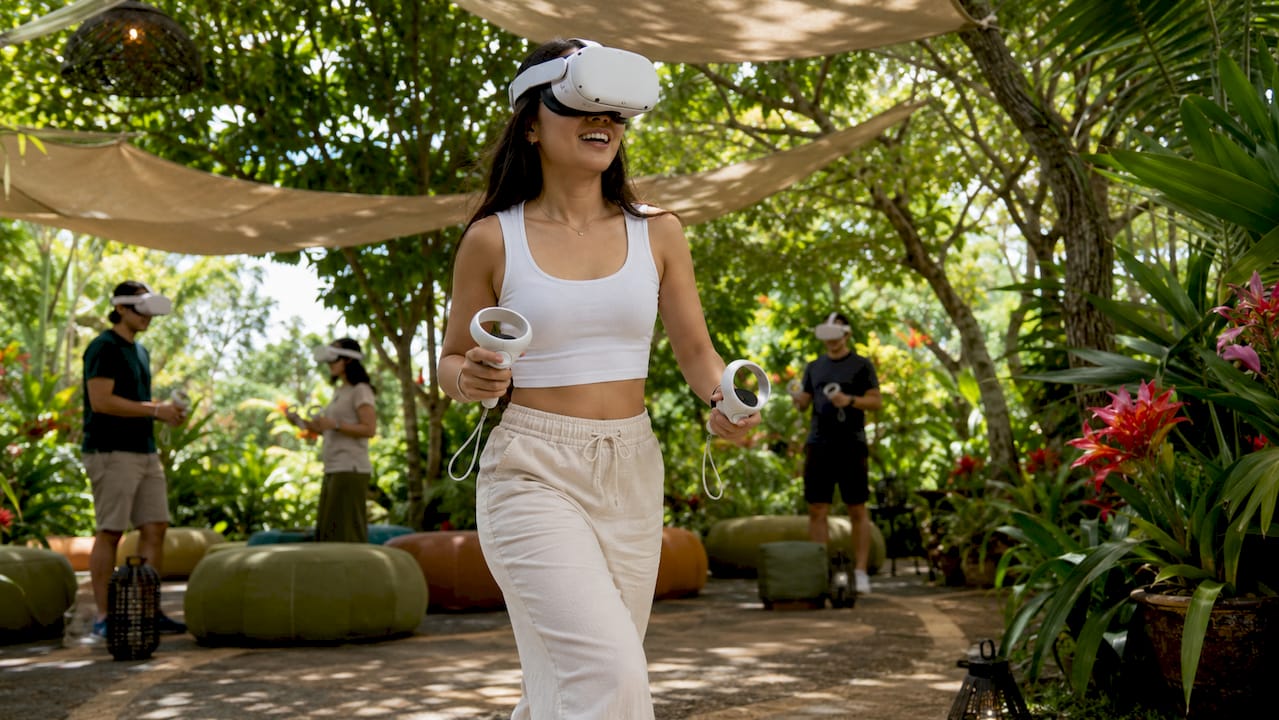
Virtual reality attractions are immersive, location-based experiences that transport guests into interactive digital worlds using VR headsets, spatial tracking, and sensory effects. The best virtual reality attraction examples go far beyond strapping on a headset. They combine free-roam movement, haptic feedback, volumetric video, and physical effects to create memories that stick. Whether you’re planning a family outing, a shore excursion in Kona, or simply hunting for the most thrilling thing to do on the Big Island, this guide covers the top VR experiences worth your time and money in 2026. The immersive technology in tourism space is growing fast, and knowing what separates a great attraction from a forgettable one makes all the difference.
1. What are the best virtual reality attraction examples right now?
The strongest virtual reality attraction examples share three traits: physical freedom, sensory depth, and a story worth telling. Free-roam experiences like Space Explorers: The Infinite and Titanic: Echoes From The Past lead the category. Multisensory rides like THE SUNSET OF MARS push immersion further with motion and wind. And flying theater attractions like Flight of Aloha blend 8K visuals, scent, and wind to simulate soaring over Hawai’i. Each format delivers something different, and the right choice depends on what kind of adventure you’re after.
2. Free-roam VR: walking inside another world
Free-roam VR is the format where guests physically walk through a large-scale virtual environment wearing a wireless headset and motion-tracked gear. There are no seats, no rails, and no fixed viewpoints. You choose where to go, what to examine, and how long to linger. That freedom is exactly what makes this format so powerful.
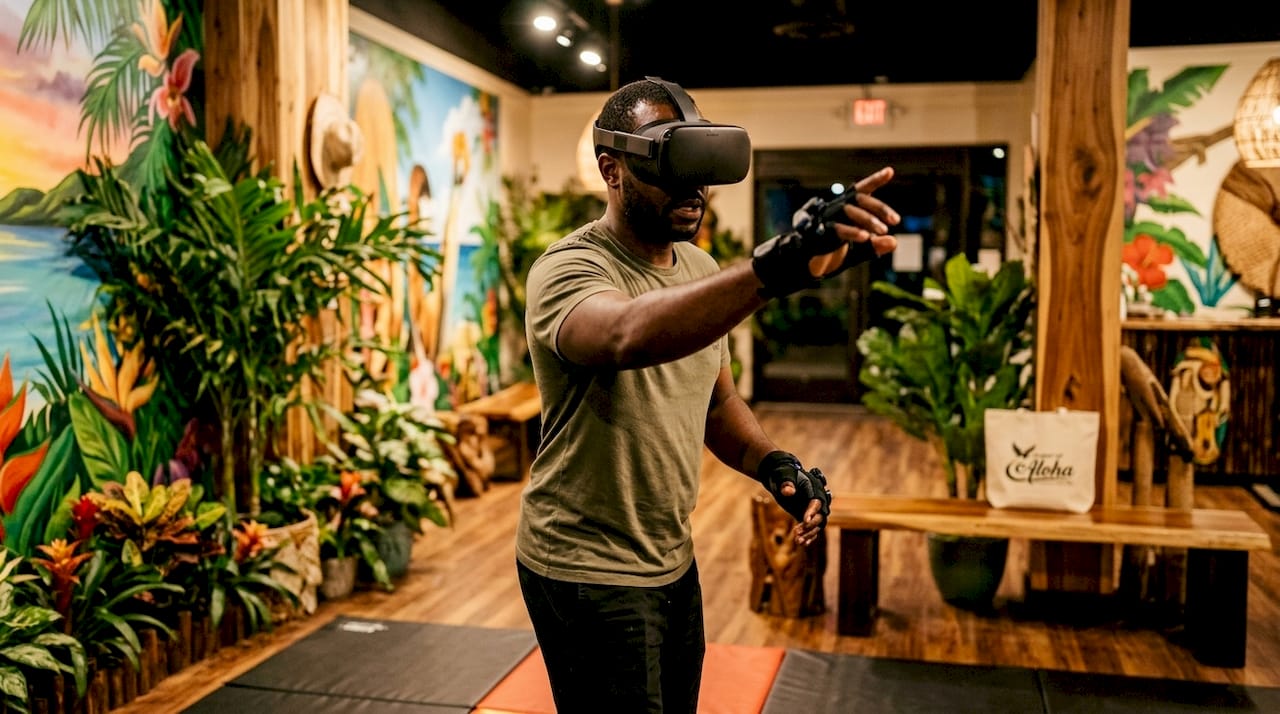
Space Explorers: The Infinite is the gold standard example. Built from real 360-degree ISS footage, it places guests aboard the International Space Station with full spatial freedom. The experience has hosted over 500,000 guests, proving that educational storytelling and entertainment are not opposites. Titanic: Echoes From The Past takes a similar approach, using photorealistic reconstructions of the ship’s interior to blend history with exploration.
Free-roam VR also wins on repeat visitation. User-directed exploration drives social sharing and encourages guests to return because no two walkthroughs feel identical. You notice different details, take different paths, and have different conversations with the people around you.
- Duration: Most free-roam experiences run 30 to 60 minutes, including pre-show and post-show elements. That runtime feels substantial without being exhausting.
- Social layer: Avatar interaction lets guests see each other as digital characters, which adds a fun, shared dimension to the experience.
- Physical cues: Tactile props and real-world surfaces placed inside the play space help guests feel grounded even while their eyes see something completely different.
Pro Tip: Arrive early for the pre-show briefing. Free-roam attractions pack a lot of context into those first few minutes, and guests who skip it often miss the narrative thread that makes the experience meaningful.
3. How multiplayer VR arenas create unforgettable social experiences
Multiplayer VR arenas are purpose-built spaces where groups compete or cooperate inside shared virtual environments. Think laser tag, but with full spatial audio, haptic feedback, and puzzle mechanics layered on top. These are among the most popular VR entertainment options for birthday groups, corporate outings, and families looking for something active.
Here is what makes them stand out:
- Scale: Modern VR arena systems support 2 to 10 players simultaneously in footprints as compact as 80 square meters. That means operators can fit a high-capacity attraction into a surprisingly small venue.
- Game variety: Modes range from team-based shooter missions to cooperative escape room puzzles. AMA Amusement’s 10-player VR Escape Room Arena is a strong example, combining VR gun controllers with puzzle mechanics that require real teamwork.
- Haptic feedback: Vest-based haptics let players feel impacts, explosions, and environmental changes. That physical layer turns a visual game into a full-body experience.
- Instant reset: Unlike a physical escape room that needs 10 to 15 minutes of staff time to reset props, VR arenas reset digitally between sessions. That means more guests per hour and less downtime.
- Software flexibility: Operators can switch between game modes without changing any hardware, rotating between laser tag, cooperative missions, and virtual tourism themes. That keeps the attraction fresh for repeat visitors.
Pro Tip: Book a private session for groups of six or more. Most arenas offer group rates, and a private session means you can play multiple rounds without waiting.
4. How multisensory effects take VR attractions to the next level
Visuals alone do not make a great VR attraction. The experiences that guests remember and talk about are the ones that engage multiple senses at once. Sensory feedback like haptics and environmental effects is what separates a high-quality attraction from a basic headset demo.
THE SUNSET OF MARS, a walk-around VR attraction developed in Japan, is one of the clearest examples of this philosophy in action. Guests move through a Martian landscape while motion seats, vibration platforms, and environmental wind effects respond in real time to what they see. The result is a physical conviction that you are actually standing on another planet.
The benefits of this multisensory approach go beyond the wow factor:
- Emotional impact: Physical sensations like wind and vibration trigger emotional responses that pure visuals cannot. Guests feel the story rather than just watching it.
- Realism: When your body receives physical cues that match the visual environment, your brain accepts the experience as real. That is the core of what makes immersive VR rides so compelling.
- Social sharing: Guests who feel something extraordinary want to tell people about it. Multisensory attractions generate far more organic word-of-mouth than passive visual experiences.
- Repeat visits: When an experience engages your whole body, you want to go back. Sensory-rich attractions consistently outperform visual-only formats on repeat visitation metrics.
“The best VR attractions do not just show you something amazing. They make you feel it in your chest, your feet, and your fingertips.”
5. How volumetric video transforms VR storytelling
Volumetric video is a capture technique that records actors and environments as three-dimensional objects rather than flat 2D footage. In a standard VR experience, video characters appear as flat sprites that look wrong the moment you move around them. Volumetric capture fixes that by giving characters real depth, shadows, and reflections that respond to your perspective.
The clearest recent example is The 7th Guest VR remake. The original 1993 game used flat FMV sprites for its actors. The 2026 remake replaced those with volumetric 3D actor meshes that cast real shadows and reflections in the virtual environment. The difference is striking. Characters feel like they occupy the same physical space as the player, which makes every interaction more believable.
| Technology | What it does | Guest experience impact |
|---|---|---|
| Traditional 2D video | Flat sprite overlaid on environment | Characters feel disconnected from the space |
| Volumetric video | 3D mesh with depth and lighting | Characters feel physically present |
| Motion capture animation | Animated 3D character | Realistic movement but no photographic detail |
This matters for attraction design because believable characters drive narrative coherence. When the people in your story look and behave like real humans, puzzle design and emotional beats land with far greater force.
Pro Tip: When evaluating a VR attraction, ask whether it uses volumetric capture or traditional video. The answer tells you a lot about the production budget and the quality of immersion you can expect.
6. Comparing VR attraction types: which one is right for you?
Not every VR format suits every visitor. Here is a side-by-side look at the main types of interactive VR simulations available in 2026, so you can match the experience to your group.
| Attraction type | Duration | Capacity | Sensory integration | Best for |
|---|---|---|---|---|
| Free-roam VR | 30 to 60 min | 2 to 20 guests | Visual, audio, light haptics | Explorers, families, educational visitors |
| Multiplayer VR arena | 15 to 30 min | 2 to 10 players | Visual, audio, full haptics | Competitive groups, teens, corporate teams |
| Multisensory VR ride | 10 to 20 min | 4 to 40 guests | Visual, audio, motion, wind, scent | Families, thrill-seekers, cruise visitors |
| Flying theater | 5 to 15 min | 20 to 100 guests | 8K visual, wind, scent, motion | All ages, large groups, shore excursions |
Flying theater attractions like Flight of Aloha sit in a category of their own. They combine the cinematic scale of a theme park ride with the cultural depth of a documentary. You are lifted into the air on a motion platform while 8K visuals, real Hawaiian scents, and wind effects simulate soaring over Nā Pali cliffs and Kīlauea lava fields. It is the closest thing to a helicopter tour without the $400 price tag or the motion sickness. For families visiting Kona, cruise passengers walking makai from Kailua Pier, or anyone looking for the best Big Island activities on a rainy afternoon, it is the smart choice.
The top immersive experiences in Hawaii for families consistently rank flying theater formats highly because they work for every age group, require no physical fitness, and deliver a genuinely emotional experience in under 20 minutes.
Key takeaways
The most memorable VR attractions combine physical freedom, sensory feedback, and authentic storytelling to create experiences that guests feel compelled to share and revisit.
| Point | Details |
|---|---|
| Free-roam VR leads engagement | User-directed exploration drives repeat visits and social sharing more than seated formats. |
| Multisensory effects are non-negotiable | Wind, haptics, and motion create emotional impact that visuals alone cannot achieve. |
| Volumetric video raises the bar | 3D actor capture makes characters feel physically present, improving narrative immersion. |
| Multiplayer arenas maximize throughput | Instant digital resets and compact footprints make arenas highly efficient for operators and guests. |
| Flying theaters work for everyone | Motion platform attractions serve all ages and group sizes with minimal barriers to entry. |
Why I think most people underestimate flying theater attractions
By Ola
Most conversations about VR attractions focus on headset-based experiences, and that makes sense. Free-roam VR and multiplayer arenas are genuinely exciting formats. But after spending time with the full range of immersive entertainment options, I keep coming back to flying theaters as the most underrated category.
Here is why. A headset-based experience asks you to trust the technology. You put on a device, you adjust to it, and then you start to feel present. That process takes a few minutes. A flying theater skips that entirely. The moment the platform lifts and the wind hits your face, you are already there. No adjustment period. No hardware anxiety. Just the sensation of flight.
Flight of Aloha does this better than almost anything I have encountered. The Naupaka and Lahaina films are not just rides. They are cultural stories told with genuine respect for Hawaiian tradition, and they happen to be wrapped in 8K visuals and real pikake scent. That combination of technology and aloha is rare. It is what happens when a Native Hawaiian-owned team builds something for their own land and people.
If you are visiting Kona and you are trying to decide between a helicopter tour and something more grounded in culture, the answer is not always the helicopter. Sometimes the most powerful experience is the one that tells you who built it and why.
— Ola
Soar over Hawai’i with Flight of Aloha
Flight of Aloha is the Big Island’s most talked-about indoor attraction, located inside King Kamehameha’s Kona Beach Hotel, just a short walk makai from Kailua Pier. It is the perfect shore excursion for cruise visitors and the best answer to a rainy or vog-heavy afternoon in Kona. Think of it as what you would get if a helicopter tour and a Disney ride had a baby rooted in aloha. Native Hawaiian-owned and culturally grounded, it blends 8K visuals, motion, wind, and real Hawaiian scents into an experience the whole family will remember. Skip the $400 helicopter and book your seat online to secure your spot before it sells out.
FAQ
What are the main types of VR attractions?
The main types are free-roam experiences, multiplayer VR arenas, multisensory VR rides, and flying theater attractions. Each format offers a different balance of physical activity, social interaction, and sensory immersion.
How long do VR attractions typically last?
Location-based VR experiences typically run 30 to 60 minutes, including pre-show and post-show elements. Shorter formats like flying theaters and VR rides run 10 to 20 minutes.
What makes a VR attraction high quality?
Sensory feedback like haptics, wind, and motion combined with strong storytelling and physical freedom are the defining traits of a high-quality VR attraction. Visual fidelity matters, but it is the full-body engagement that guests remember.
Are VR attractions suitable for families with young children?
Flying theater attractions and seated multisensory rides are the most family-friendly VR attraction ideas because they require no physical fitness and have no age-based hardware restrictions. Free-roam and arena formats may have minimum age or height requirements.
Is Flight of Aloha considered a VR attraction?
Flight of Aloha is a flying theater attraction that uses 8K projection, motion platforms, wind, and scent rather than VR headsets. It delivers the same immersive impact as the best virtual reality experiences without any wearable technology, making it accessible to all ages and ideal for families visiting Kona.