Wind Effects in Attractions: What Every Visitor Should Know 🌬️
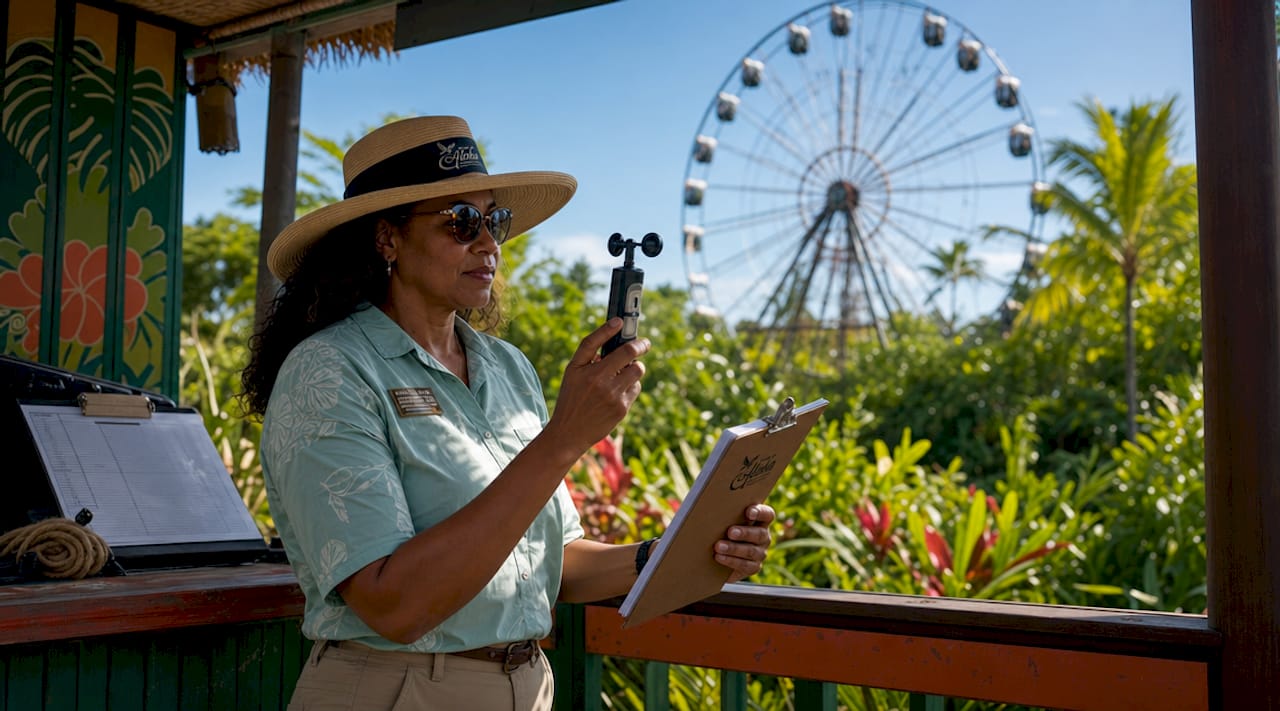
Wind effects in attractions refer to the influence that varying wind speeds and weather conditions have on the safety, operation, and immersive experience of theme park rides and outdoor entertainment. Whether you’re planning a visit to a coastal amusement park or stepping into a flying theater in Kailua-Kona, understanding how wind shapes your experience matters more than most visitors realize. The impact of wind on attractions spans everything from ride closures and structural engineering to the thrilling gusts that make a simulated flight feel breathtakingly real. Knowing what’s happening behind the scenes helps you plan smarter and appreciate the craft that goes into every ride.
How do wind effects in attractions affect ride safety and operation?
Wind speed is the single most decisive factor in whether a ride opens or closes on any given day. Operators use tiered closure thresholds, and those thresholds vary significantly by ride type. Family coasters and train rides typically close at around 35 mph, while Ferris wheels and high-swing rides can tolerate sustained winds of 40 to 50 mph depending on their structural design. That difference exists because a Ferris wheel’s open lattice structure is engineered to let wind pass through, while a coaster car sitting on an elevated track becomes a sail in a crosswind.
The High Roller observation wheel in Las Vegas is a well-documented example. Closures occur roughly 10 to 15 times annually when sustained winds exceed approximately 35 to 40 mph. That frequency sounds low until you consider that Las Vegas sits in a desert corridor where wind events can arrive with little warning. The High Roller’s operations team uses advanced monitoring systems and gust detection sensors to make real-time decisions, not just sustained speed averages.
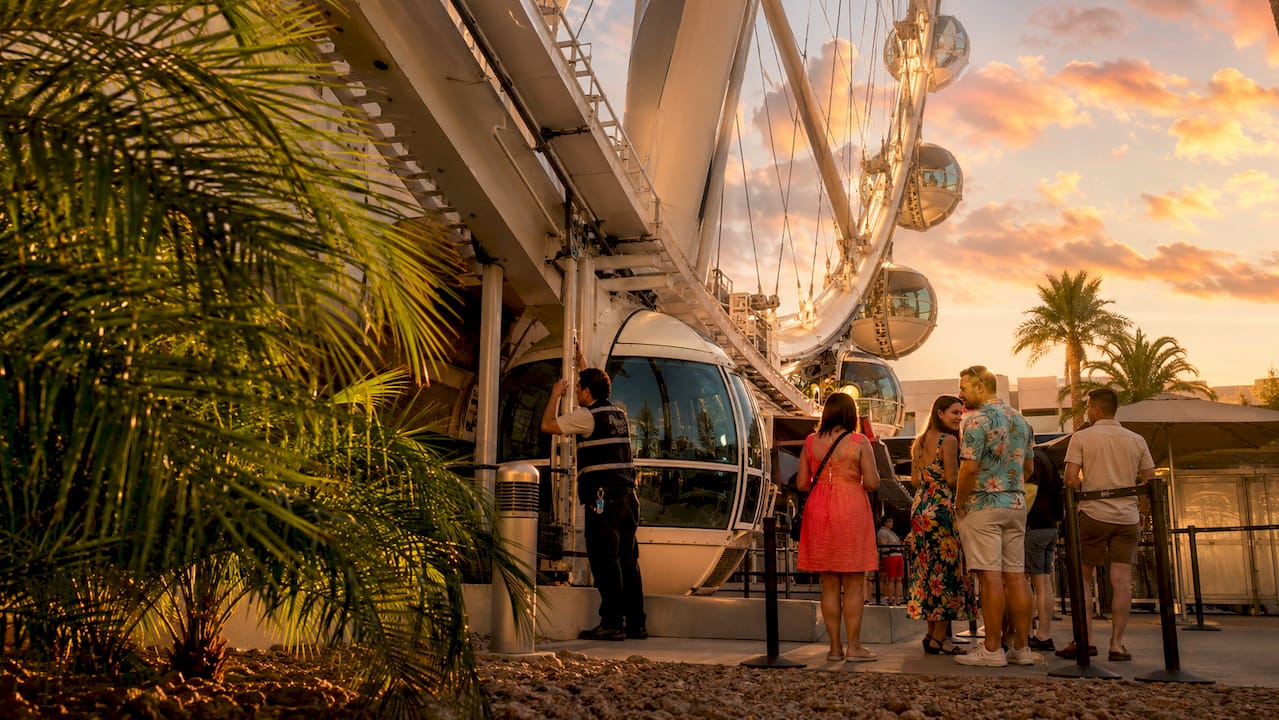
Gust patterns and wind direction matter as much as raw speed. A sustained 30 mph headwind may be manageable, but a 45 mph gust from a perpendicular direction can create lateral forces that exceed safe operating limits in seconds. Operational decisions factor in gust patterns and wind direction alongside sustained speed, which is why two rides at the same park can have different closure statuses during the same storm.
Here’s what a typical tiered wind-response protocol looks like at a well-managed park:
- Level 1 (25 to 30 mph): Operators increase monitoring frequency and alert ride crews.
- Level 2 (30 to 35 mph): Smaller rides and elevated attractions begin precautionary closures.
- Level 3 (35 to 45 mph): Most coasters, swing rides, and observation wheels close.
- Level 4 (45 mph and above): Full outdoor attraction shutdown; guests directed to indoor experiences.
Pro Tip: Check the park’s official app or social media on the morning of your visit. Many parks post real-time ride status updates that reflect current wind conditions, saving you a wasted trip to a closed attraction.
What design and engineering factors determine a ride’s wind resistance?
Wind resistance is not a fixed property. It grows exponentially with wind speed, meaning a wind that doubles in speed creates roughly four times the force on a structure. Aerodynamic drag increases with the square of wind speed, which is why engineers treat even moderate wind events as serious structural events rather than minor inconveniences.
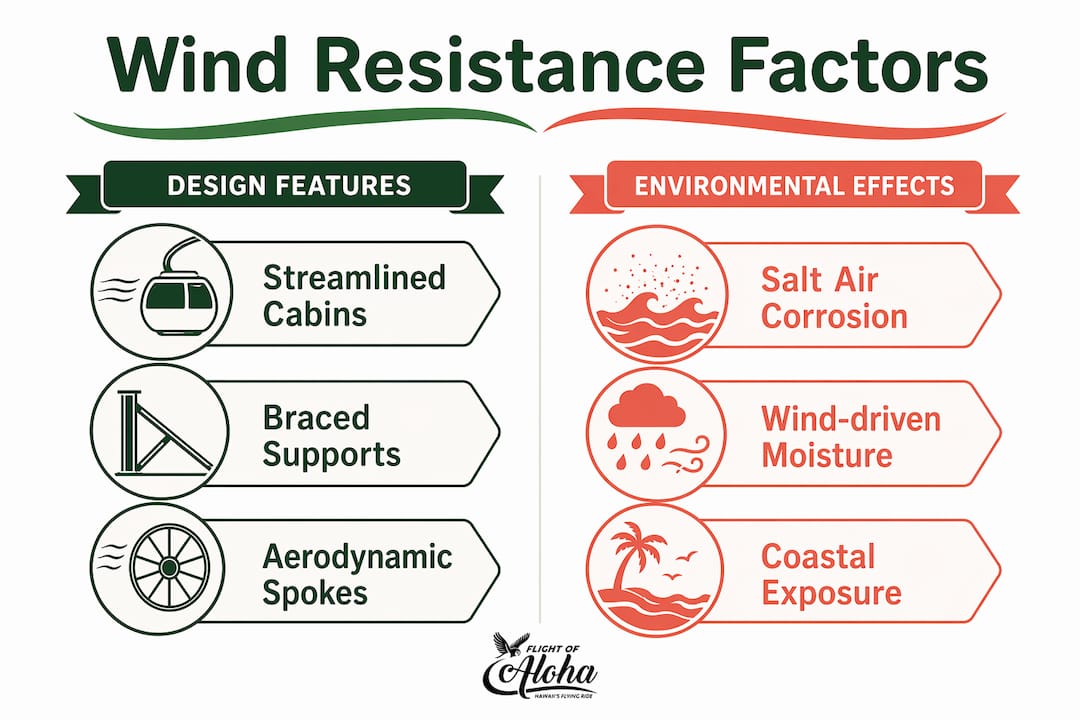
Modern attraction design addresses this through four primary strategies:
- Streamlined structural elements. Ferris wheel spokes and cabin frames are shaped to reduce drag rather than catch wind. Rounded profiles and tapered edges let air flow around components instead of pushing against flat surfaces.
- Braced support systems. Cross-bracing and triangulated frames distribute wind load evenly across the entire structure rather than concentrating stress at single connection points.
- Computational fluid dynamics (CFD) modeling. Engineers use CFD software to simulate how wind behaves around a proposed structure before a single bolt is tightened. This allows designers to identify high-stress zones and modify geometry before construction begins.
- Material selection for fatigue resistance. High-tensile steel alloys and composite materials resist the repeated flexing that wind cycles cause over thousands of operating hours.
Aerodynamic features like streamlined cabins and braced supports distribute wind load evenly, reducing wear and fatigue on ride structures over time. This is the difference between a ride that needs major structural inspection after five years and one that runs reliably for twenty.
Coastal environments add a second layer of complexity. Salt air accelerates corrosion on metal components, and wind-driven moisture penetrates joints and seals that would survive dry conditions for decades. Attractions built near the ocean require anti-corrosion coatings, stainless steel fasteners, and more aggressive inspection schedules than inland parks.
| Design Feature | Primary Wind Benefit |
|---|---|
| Streamlined spokes and cabins | Reduces aerodynamic drag at high speeds |
| Cross-braced support frames | Distributes lateral wind load evenly |
| CFD pre-construction modeling | Identifies stress points before build |
| Corrosion-resistant coatings | Extends structural life in coastal parks |
Pro Tip: When visiting a coastal park, look for rides with enclosed or teardrop-shaped cabins. These are almost always engineered to higher wind-resistance standards than open-frame designs.
How does wind influence visitor experience and immersive attraction effects?
Wind is not only a hazard to manage. In the right context, it is the most powerful sensory tool an attraction designer has. Wind simulation effects add realism to immersive attractions, enhancing sensory guest experiences and emotional engagement in ways that visuals alone cannot achieve. When you feel a warm trade wind on your face while watching a 8K aerial film of Hawai’i’s coastline, your brain stops processing it as a screen and starts processing it as reality.
Flying theaters, hurricane simulation experiences, and 4D cinema rides all use precisely calibrated wind effects to deepen immersion. The difference between a good flying theater and a great one often comes down to whether the wind timing matches the on-screen action. A gust that arrives half a second late breaks the illusion entirely.
Beyond intentional wind effects, real weather shapes visitor behavior in ways that cost attractions serious money. Simplified 24-hour weather icons cause attendance drops of up to 30% and daily revenue losses of up to £137,000 at outdoor attractions. That statistic reveals something counterintuitive: the weather itself is often not the problem. The way weather is communicated is. A forecast icon showing a rain cloud for an entire day may represent just two hours of morning showers, but visitors cancel plans based on that single image.
Visitor economy experts argue that granular forecasts showing hourly dry windows would stabilize attendance and help guests make informed decisions. This matters especially for outdoor parks where wind and weather conditions change rapidly throughout the day.
“The most immersive experiences don’t just show you a place. They put the wind in your hair, the scent of plumeria in the air, and the feeling of flight in your body.”
Here is what separates attractions that use wind brilliantly from those that treat it as an afterthought:
- Synchronized timing. Wind cues match on-screen action within milliseconds for full sensory coherence.
- Variable intensity. Gentle breezes for scenic glides, strong gusts for dramatic dives, creating emotional contrast.
- Directional control. Wind comes from the correct angle relative to the on-screen perspective, reinforcing spatial realism.
- Temperature layering. Warm or cool air paired with wind cues matches the climate of the destination being simulated.
The benefits of sensory attractions go beyond entertainment. Guests who feel physically transported report higher satisfaction scores and stronger emotional memories of the experience.
What operational challenges and maintenance issues arise from wind exposure?
Wind does not just close rides on stormy days. It slowly degrades them every single day of operation. Wind-induced mechanical fatigue occurs when structures flex repeatedly under load, creating microscopic stress fractures that compound over time. A ride that operates in a consistently windy location accumulates fatigue damage faster than the same ride in a sheltered inland park.
Coastal park attractions require anti-corrosion treatments and more frequent maintenance schedules due to wind and salt air accelerating material fatigue. Monthly non-destructive testing (NDT) spot-checks are the recommended standard in coastal environments, compared to quarterly checks at inland parks. NDT methods like ultrasonic testing and magnetic particle inspection detect internal cracks without disassembling the structure, allowing operators to catch problems before they become failures.
Pro Tip: If you’re curious about a park’s maintenance culture, look for visible inspection tags on ride structures. Reputable parks display recent inspection dates on major attractions. No tag is a yellow flag.
Operational planning for wind events requires speed and flexibility. Parks that handle wind challenges well maintain pre-written closure and reopening protocols so that crew members do not have to make judgment calls under pressure. They also train staff to redirect guests to indoor activities immediately when outdoor closures begin, preserving the guest experience even when the weather does not cooperate.
| Wind Challenge | Operational Response |
|---|---|
| Sustained high winds | Tiered closure by ride type and height |
| Gusts exceeding thresholds | Immediate suspension pending re-evaluation |
| Coastal salt air exposure | Monthly NDT checks and anti-corrosion coatings |
| Wind-induced fatigue | Scheduled structural inspections and part replacement |
Key takeaways
Wind effects in attractions determine ride safety thresholds, shape structural design decisions, drive maintenance schedules, and power the most immersive sensory experiences in modern theme parks.
| Point | Details |
|---|---|
| Tiered closure thresholds | Coasters close near 35 mph; Ferris wheels tolerate up to 40 to 50 mph based on design. |
| Exponential wind force | Wind force grows with the square of speed, making engineering precision non-negotiable. |
| Immersive wind simulation | Synchronized, variable wind cues are the defining feature of great flying theater experiences. |
| Coastal maintenance demands | Monthly NDT checks and anti-corrosion coatings are standard in salt-air environments. |
| Weather communication gap | Inaccurate forecast icons cause up to 30% attendance drops, not the weather itself. |
Why wind is the most underrated force in attraction design
I’ve spent years watching guests walk into flying theaters and walk out genuinely moved. The ones that land hardest are never the ones with the biggest screens. They’re the ones where the wind hits you at exactly the right moment. That’s not an accident. It’s the result of engineers and storytellers working together to make physics feel like poetry.
What frustrates me is how often wind gets treated as purely a problem to manage rather than a tool to celebrate. Outdoor parks spend enormous resources on wind-risk protocols, which is absolutely right. But the same force that closes a coaster at 35 mph is the force that makes a flying theater feel like you’re actually soaring over the Nā Pali Coast. The difference is context and control.
I’d also push back on the idea that weather always hurts attendance. Visitors cancel plans because of bad information, not bad weather. If you’re planning a day out and a weather app shows a rain cloud, check an hourly forecast instead. Many days that look stormy at 6 a.m. are perfectly clear by 10 a.m. Outdoor parks and weather effects on amusement parks are a more nuanced relationship than a single icon can capture.
The attractions that get wind right, both as a safety challenge and as an immersive element, are the ones worth seeking out. They respect the physics and they respect the guest.
— Ola
Experience the magic of wind at Flight of Aloha in Kona
If you want to feel what perfectly engineered wind effects can do, Flight of Aloha inside King Kamehameha’s Kona Beach Hotel is one of the top things to do in Kona. This Native Hawaiian-owned flying theater blends 8K visuals, motion, scent, and precisely timed wind to simulate soaring over Hawai’i’s most breathtaking landscapes. It’s the smart alternative to a $400 helicopter tour, with zero motion sickness and the best AC in town, making it the perfect indoor activity on the Big Island for rainy days, vog, or midday heat.
Walking distance from Kailua Pier, it’s ideal for shore excursions Kona cruise visitors can actually complete in time. Whether you’re a family looking for family friendly Kona activities or a solo traveler wanting a cultural experience rooted in Hawaiian legend, Flight of Aloha delivers. Book your seat online to secure your spot and feel the aloha spirit lift you off the ground.
FAQ
What wind speed causes theme park rides to close?
Family coasters typically close at around 35 mph, while Ferris wheels and high-swing rides may operate up to 40 to 50 mph depending on their design. Gust patterns and wind direction also factor into closure decisions, not just sustained speed.
How do attractions use wind effects to enhance immersion?
Wind simulation enhances sensory engagement by synchronizing gusts and breezes with on-screen action, making guests feel physically present in the environment being shown. Variable intensity and directional control are the key technical elements that separate good wind effects from great ones.
Why do weather apps cause attendance drops at outdoor parks?
Simplified weather icons trigger up to 30% attendance drops because a single rain cloud icon can represent just a short window of rain across an otherwise clear day. Hourly forecast tools give a far more accurate picture of actual visiting conditions.
What maintenance does wind exposure require for coastal rides?
Coastal attractions need monthly NDT spot-checks and anti-corrosion coatings because salt air and wind-driven moisture accelerate material fatigue significantly faster than inland environments.
How does aerodynamic design reduce wind risk on large rides?
Streamlined cabins and braced supports distribute wind load evenly across the structure, reducing stress concentration and slowing the accumulation of fatigue damage over the ride’s operational life.
Recommended
- Destination Attraction: Why It Matters For Unique Guest Experiences | Flight Of Aloha
- How Visitor Workflow Shapes Immersive Attractions In Hawaii | Flight Of Aloha
- What Defines A Modern Attraction Experience | Flight Of Aloha
- Benefits Of Sensory Attractions: Why They Enhance Visitor Emotion | Flight Of Aloha