
How Local Legends Transform Hawaii’s Tourism Experience
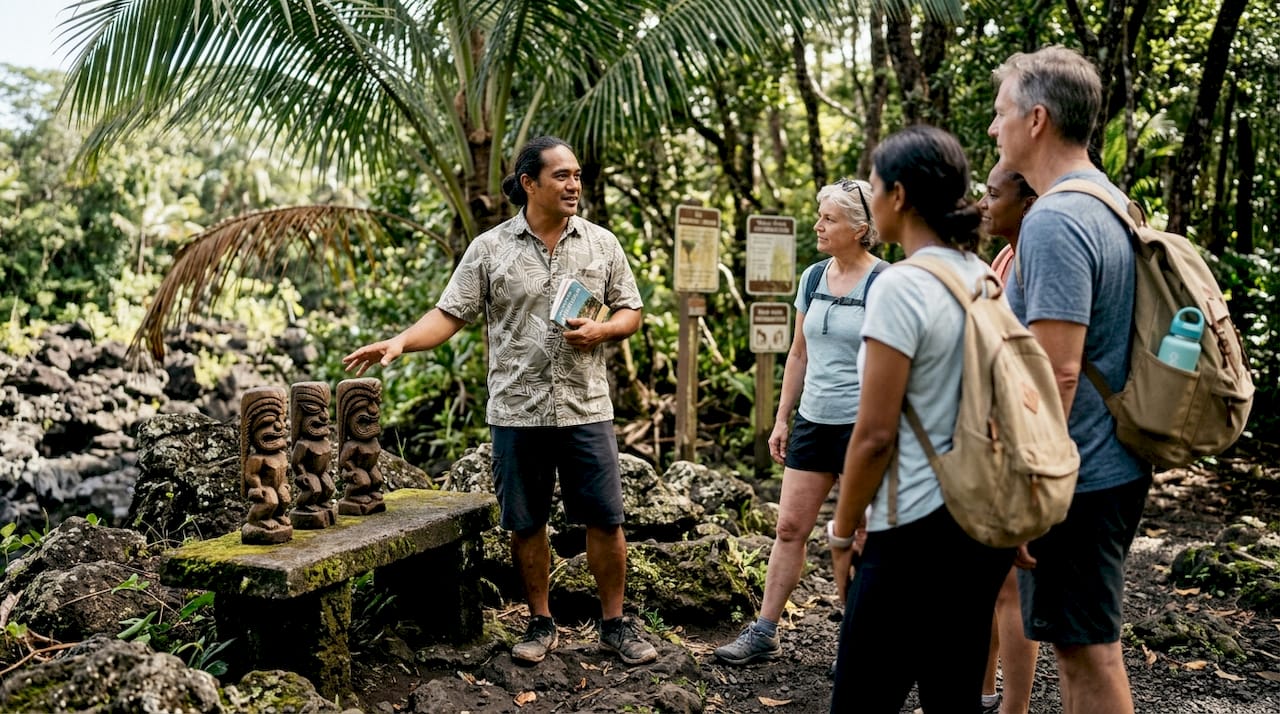
Most visitors arrive in Hawai’i expecting beautiful beaches and warm weather. What they don’t expect is to feel genuinely moved by a place. That shift, from sightseeing to something far deeper, happens when you encounter the stories woven into every landscape, every wave, and every sacred site. Local legends in Hawaii, from tales of Pele the volcano goddess to the mysterious Moʻo water guardians, are quietly transforming ordinary visits into immersive cultural journeys. This guide will show you exactly how those legends shape your experience and how to seek them out intentionally. 🌺
Table of Contents
- Why Hawaiian legends matter in tourism
- How legends shape Hawaiian attractions
- Cultural impact and ethical storytelling
- Making the most of legendary tourism: Tips for visitors
- Continue your journey into Hawaiian legends
- Frequently asked questions
Key Takeaways
| Point | Details |
|---|---|
| Legends enrich travel | Hawaiian legends add depth, meaning, and emotional connection to any visit. |
| Authenticity matters | Choosing community-led activities ensures respect for culture and deeper experiences. |
| Balance is vital | Sustainable tourism with local story input helps prevent cultural commodification. |
| Seek immersive learning | Interactive tours, hula, and festivals offer the richest connections to legend and place. |
Why Hawaiian legends matter in tourism
Hawaiian culture is one of the richest oral traditions in the world. Stories weren’t just entertainment here. They were maps, laws, and spiritual guides passed down through generations. When you understand that, the landscape starts to speak.
Over 80% of Hawaiian residents consider traditional stories vital for preserving heritage, and those stories enhance tourism in four powerful ways:
- Cultural education: Visitors gain real insight into Hawaiian values, not just surface-level facts.
- Preservation: Sharing legends keeps them alive for future generations.
- Economic empowerment: Community-led storytelling experiences support local families and artisans.
- Cross-cultural understanding: Stories build bridges between visitors and residents in ways that a hotel pool simply cannot.
“The most powerful travel experiences aren’t about what you see. They’re about what you feel and understand.” That’s exactly what Hawaiian legends deliver.
Legends also fuel themed attractions inspired by legends that go far beyond a typical museum visit. They create emotional connections that stick with you long after you’ve returned home. Research on how immersive travel connects visitors confirms that experiences rooted in local culture produce stronger memories and greater satisfaction than passive sightseeing.
If you’re planning your trip and want a head start, check out the top legends for travelers to know which stories to look for before you even land. 🌌
How legends shape Hawaiian attractions
Knowing why legends matter is one thing. Seeing how they show up in real attractions is where it gets exciting. Across Hawai’i, and especially on the Big Island, storytelling is baked into the visitor experience in creative and powerful ways.
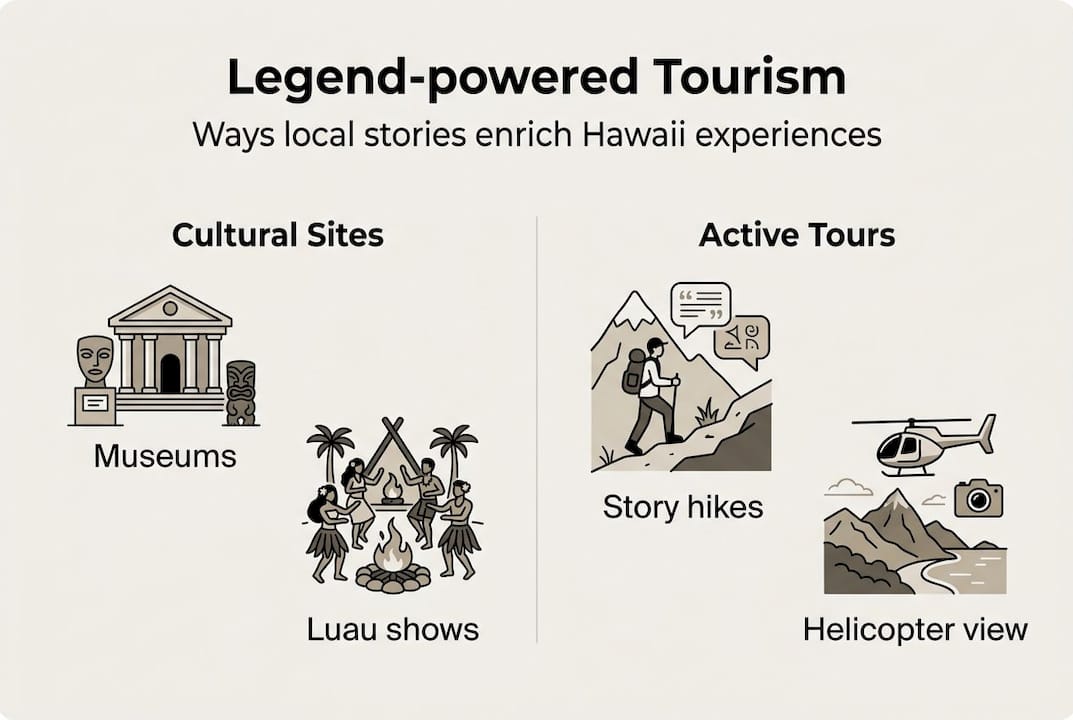
Tour guides and immersive attractions use multi-sensory methodologies to bring legends to life, including visuals, motion, scents, guided walks at sacred sites, and interactive storytelling. Here’s how different types of experiences compare:
| Experience type | Storytelling depth | Sensory engagement | Cultural authenticity |
|---|---|---|---|
| Traditional luau | Moderate | High (food, dance) | Varies widely |
| Legend-based guided tour | High | Moderate | Often very high |
| Immersive flying theater | Very high | Very high | Rooted in legend |
| Cultural festival | High | High | Community-led |
The numbers tell a clear story. Immersive and legend-based experiences consistently outperform standard tourist activities in terms of cultural depth and emotional impact.
Here are the top ways legends are woven into attractions you’ll actually encounter:
- Sacred site tours: Guides share the specific legends tied to heiau (temples) and lava fields, giving the landscape a voice.
- Hula performances: Every movement in hula tells a story. Watching a performance rooted in legend is completely different from watching a generic show.
- Immersive theater experiences: Attractions like Flight of Aloha use 8K visuals, motion, wind, and scent to place you inside a Hawaiian legend.
- Story walks and interpretive trails: Some parks and cultural centers offer self-guided paths where legends unfold as you walk.
- Elder-led storytelling sessions: These are rare and precious. When a kupuna (elder) shares a story, you’re receiving something that has been carefully protected for centuries.
Pro Tip: When booking any tour or experience, ask specifically whether local elders or cultural practitioners were involved in developing the content. That one question separates authentic experiences from generic ones.
For a curated list, explore these must-try storytelling experiences and immersive storytelling traditions that visitors consistently rate as highlights of their trips.
Cultural impact and ethical storytelling
Here’s where the conversation gets more nuanced, and more important. Legends are powerful. That power can be used to uplift a culture or, if handled carelessly, to diminish it.
The benefits of legend-driven tourism are real and well-documented:
| Benefit | Impact |
|---|---|
| Cultural preservation | Stories stay alive through repeated sharing |
| Economic empowerment | Revenue flows to local communities |
| Education | Visitors leave with genuine understanding |
| Pride and identity | Residents see their culture valued |
But the risks are equally real. Commodification can dilute sacred practices like hula, reducing them to entertainment and contributing to cultural erosion. When legends are stripped of their context and packaged purely for profit, something essential is lost.
“Ethical storytelling isn’t just a nice idea. It’s the difference between a cultural experience and cultural exploitation.”
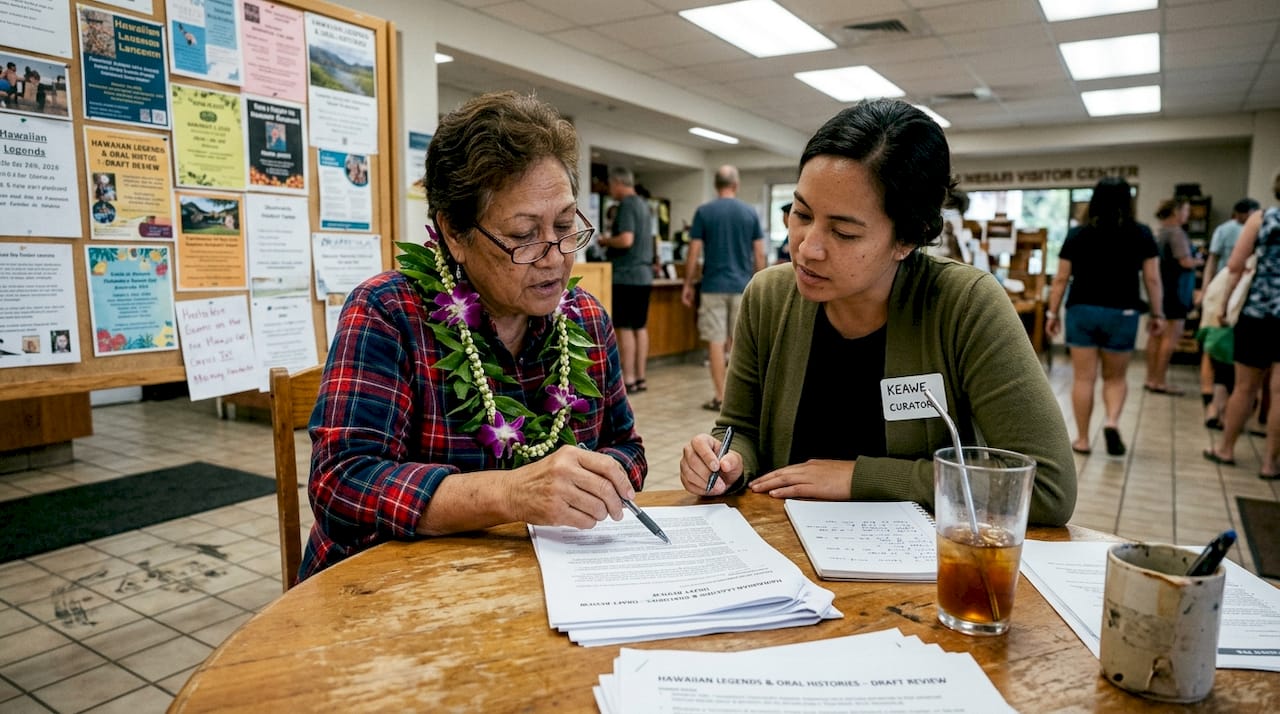
Attractions must collaborate with elders for authenticity to avoid cultural misrepresentation. The best operators in Hawai’i take this seriously. They work with community members from the very beginning, not as an afterthought.
You can learn more about the broader cultural storytelling impact and how modern entertainment and tradition can coexist respectfully. Organizations like Illume Magazine are also exploring the work of reviving Aloha values in tourism and daily life.
Pro Tip: Before booking, ask your tour provider: “How did you develop the stories you share, and who was involved?” A confident, specific answer is a great sign. Vague responses are a red flag.
Making the most of legendary tourism: Tips for visitors
You now have the context. Here’s how to put it into practice and make your time in Hawai’i genuinely unforgettable.
Hawai’i’s Tourism Authority invests seriously in this space. Their Kūkulu Ola program distributed $980,000 to 26 organizations dedicated to perpetuating Hawaiian culture through storytelling, hula, and festivals. Experiences connected to this program are among the most authentic you’ll find anywhere on the islands.
Here’s your practical checklist for legend-driven travel:
- Research before you arrive. Read up on the legends tied to the specific areas you’ll visit. Knowing the story of Pele before you stand at the edge of a lava field changes everything.
- Choose community-led experiences. Look for tours and events organized by Native Hawaiian families or organizations, not just large commercial operators.
- Attend a cultural festival. Festivals rooted in legend, like those celebrating hula or the voyaging traditions of the Polynesian wayfinders, offer deep, participatory experiences.
- Ask the right questions. “Who tells the story?” and “How are the stories sourced?” are two questions that will quickly reveal whether an experience is authentic.
- Look for HTA-supported activities. The Kūkulu Ola program is a reliable marker of quality and community involvement.
- Slow down. Legend-driven tourism rewards patience. Don’t rush through a sacred site. Stand still. Listen. Let the story come to you.
- Respect the protocols. Some sites have specific rules about photography, noise, or movement. Follow them without question.
For more guidance, explore tips on exploring legends on your trip and find storytelling highlights for families that work for every age group. You can also draw inspiration from examples of cultural immersion in other destinations to see how legend-based travel works around the world.
Continue your journey into Hawaiian legends
You’ve seen how legends shape the land, the attractions, and the emotional heart of a trip to Hawai’i. The stories of Pele, Naupaka, and the ancient voyagers aren’t museum pieces. They’re alive, and the best experiences on the islands bring them directly to you. 🌺

At Flight of Aloha, we built our entire experience around this idea. Think of it as what you’d get if a helicopter tour and a Disney ride had a baby, rooted in aloha and grounded in real Hawaiian legends. Our 8K flying theater in Kailua-Kona uses motion, wind, scent, and breathtaking visuals to place you inside the stories that have shaped these islands for centuries. Whether you’re visiting for the first time or you’ve been coming to the Big Island for years, this is an experience that hits differently. Ready to go deeper? Explore Hawaiian storytelling traditions and immersive trips and start planning your most meaningful Hawai’i adventure yet.
Frequently asked questions
Why are local legends important to the Hawaiian tourism experience?
Local legends transform visits by providing cultural context and emotional depth that standard sightseeing simply can’t offer. They turn a beautiful landscape into a living story you can feel and carry home with you.
How can tourists find authentic Hawaiian legend experiences?
Look for tours or events led by local elders or supported by programs like Kūkulu Ola, which channels nearly $1 million annually into community-driven cultural experiences across the islands.
What are some risks of using legends in tourism?
Misrepresentation and commodification can strip sacred stories of their meaning, which is why ethical storytelling requires collaboration with local communities and cultural practitioners from the very start.
Do all Hawaiian attractions use local legends?
Not all, but an increasing number integrate legends to create richer, more immersive storytelling experiences, especially in guided tours, cultural festivals, and community-led programs across the islands.
Recommended
- Role Of Legends In Tourism – Cultural Impact In Hawaii | Flight Of Aloha
- Role Of Legends In Hawaii: Complete Guide | Flight Of Aloha
- How To Explore Hawaiian Legends For Your Next Adventure | Flight Of Aloha
- Why Return To Local Spots: Cultural Impact For Families | Flight Of Aloha
- Exploring Bhutan’s Exclusive Tourism Model – Around Travel