
Educational tourism in Hawaii: 85% find deeper connections
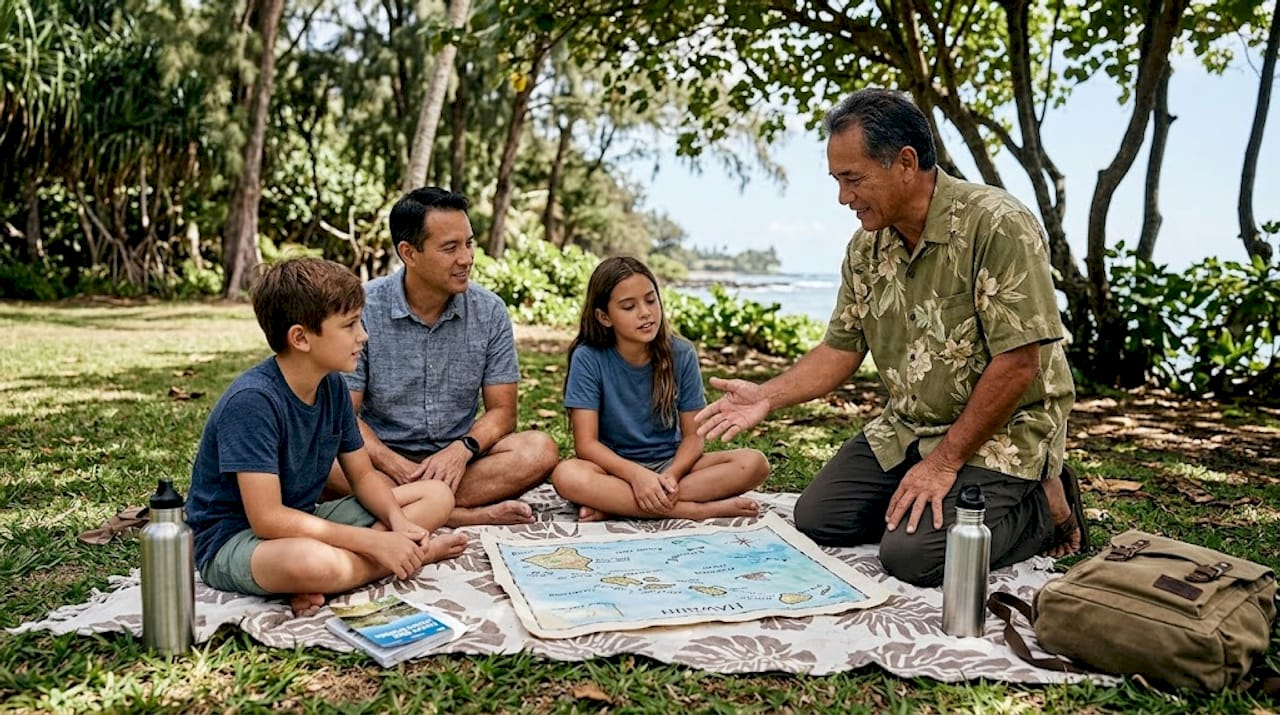
TL;DR:
- Educational tourism in Hawaii offers immersive experiences that deepen cultural understanding and foster genuine connections.
- Authentic programs are led by Native Hawaiians and focus on meaningful storytelling rather than superficial entertainment.
- Supporting regenerative travel benefits local communities, preserves culture, and creates lasting, transformative family memories.
Hawaii is one of the most visited places on earth, and most people think they already know what a trip here looks like. Sunshine. Beaches. Shave ice. But there’s a different kind of Hawaii waiting for families willing to look a little deeper. 🌺 Educational tourism transforms a typical vacation into something you carry home with you, long after the tan fades. From immersive storytelling experiences rooted in ancient Hawaiian legends to interactive attractions powered by cutting-edge technology, this island chain offers one of the richest settings for meaningful family travel anywhere in the world. This guide breaks down exactly what educational tourism is, why it matters, and how your family can experience it at its best.
Table of Contents
- What is educational tourism and why does it matter?
- Storytelling and technology: How Hawaii elevates educational tourism
- Cultural immersion: Why authentic experiences matter for families
- Regenerative travel: The future of educational tourism in Hawaii
- Our perspective: What most travel guides miss about educational tourism
- Experience immersive educational tourism with Flight of Aloha
- Frequently asked questions
Key Takeaways
| Point | Details |
|---|---|
| Deeper connections | Immersive educational tourism helps families build meaningful cultural understanding that lasts beyond the trip. |
| Blend of tradition and tech | Hawaii excels at combining Native storytelling and advanced technology for memorable learning experiences. |
| Choose authenticity | Opt for Native-led, educational attractions to ensure genuine, respectful cultural immersion. |
| Support regeneration | Participating in regenerative tourism sustains local Hawaiian communities and natural resources. |
What is educational tourism and why does it matter?
Now that you see the deeper potential of travel, let’s explore what sets educational tourism apart and why it matters.
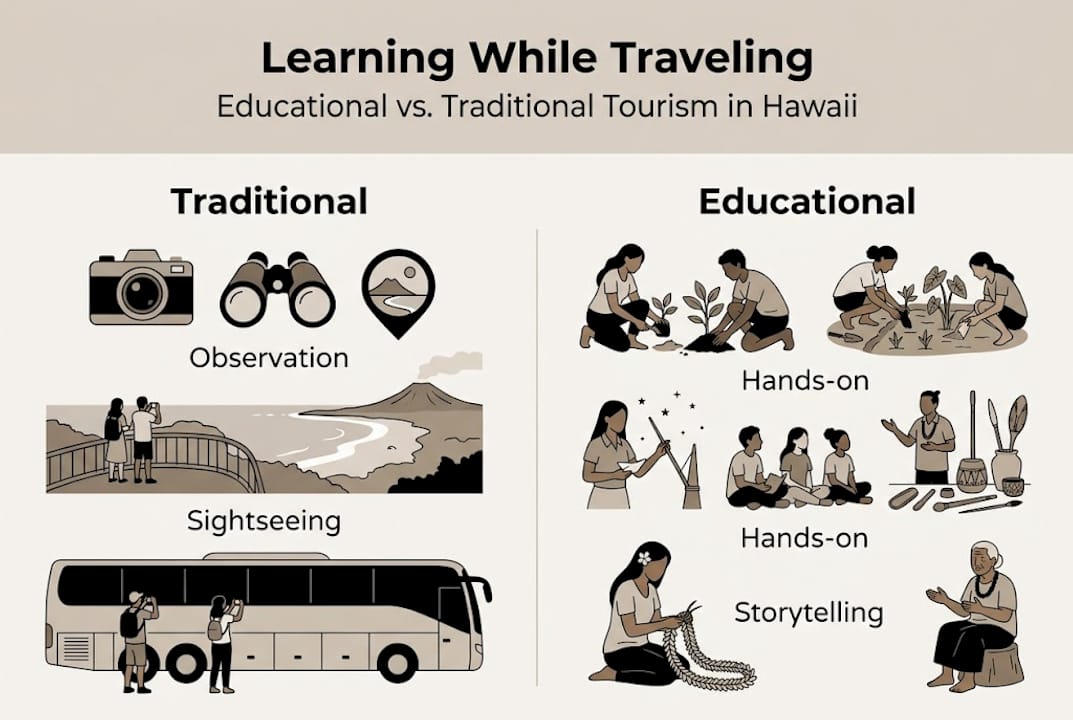
Educational tourism, sometimes called “edu-tourism,” is travel that places learning at the center of the experience. It’s not just adding a museum stop to a beach day. It’s choosing experiences, destinations, and activities specifically because they teach something meaningful, whether that’s history, culture, ecology, or language. The goal is transformation, not just relaxation.
Here’s a quick comparison to make it real:
| Traditional sightseeing | Educational tourism |
|---|---|
| Passive observation | Active participation |
| Surface-level experience | Deep cultural understanding |
| Photo opportunities | Meaningful conversations |
| Generic itineraries | Curated, story-driven journeys |
| Short-term impressions | Long-term memories |
For families especially, the difference is huge. Kids who travel educationally don’t just see a waterfall. They learn why that waterfall was sacred to the Hawaiian people. They don’t just watch a hula performance. They understand what each movement communicates.
Educational entertainment benefits research shows that blending fun with learning significantly boosts knowledge retention in both children and adults. That’s the foundation of edu-tourism.
Benefits for families include:
- Stronger empathy: Seeing another culture from the inside builds genuine respect.
- Lifelong curiosity: Kids exposed to cultural learning become more engaged students.
- Better conversations: Shared experiences spark dialogue between generations.
- Real connection: You leave with relationships and understanding, not just souvenirs.
- Cultural humility: You recognize your own worldview is just one of many.
And the data backs this up. According to immersive experience research, 85% of visitors report deeper connections when their travel includes immersive, educational components. That’s not a small margin. That’s an overwhelming shift in how travel is experienced and remembered.
Pro Tip: Choose destinations with Native-led programs or attractions built around cultural storytelling immersion to ensure authenticity and genuine respect for the people whose culture you’re exploring. Authenticity isn’t just a nice-to-have. It’s the foundation of real learning.
For families looking for story-driven family travel, Hawaii stands out as one of the best places in the world to experience this kind of purposeful journey.
Storytelling and technology: How Hawaii elevates educational tourism
Understanding the value is important, but how do Hawaii’s attractions truly engage and educate travelers?
Hawaii’s culture has always been built on story. Long before written language, Native Hawaiians passed down their history, values, and spiritual knowledge through oral chants called mele, through hula dance, and through community gatherings around fire. These weren’t just performances. They were living libraries, preserving genealogies and wisdom across centuries.
Today, modern attractions are finding brilliant ways to honor those traditions while making them accessible to 21st-century families. Think augmented reality (AR) overlays that let you “see” ancient Hawaii as it once was. Think sensory exhibits where you feel the mist of a waterfall and smell the ocean breeze. These aren’t gimmicks. When used thoughtfully, they create a bridge between past and present.
| Traditional storytelling | Modern educational technology |
|---|---|
| Oral chants and mele | Audio-guided immersive experiences |
| Hula performances | Interactive motion-based storytelling |
| Community fire gatherings | 8K cinematic flying theater rides |
| Hand-drawn maps and carvings | AR overlays and digital exhibits |
As Hawaiian storytelling traditions evolve to meet modern visitors, the key is that the story itself must remain authentic. Technology is the vehicle, not the destination.
Here’s how a family might experience a blended educational tour in Hawaii:
- Arrival and orientation: A Native Hawaiian guide introduces the cultural significance of the location.
- Immersive storytelling: Families experience a sensory ride or AR exhibit that brings legends to life.
- Guided reflection: The guide connects the story to real historical and cultural context.
- Hands-on participation: Families try a traditional craft, chant, or movement activity.
- Personal connection: Each family member shares one thing that surprised or moved them.
Blending tradition with technology creates the most successful educational methodologies, particularly when the tech serves the story rather than replacing it. That’s the sweet spot.
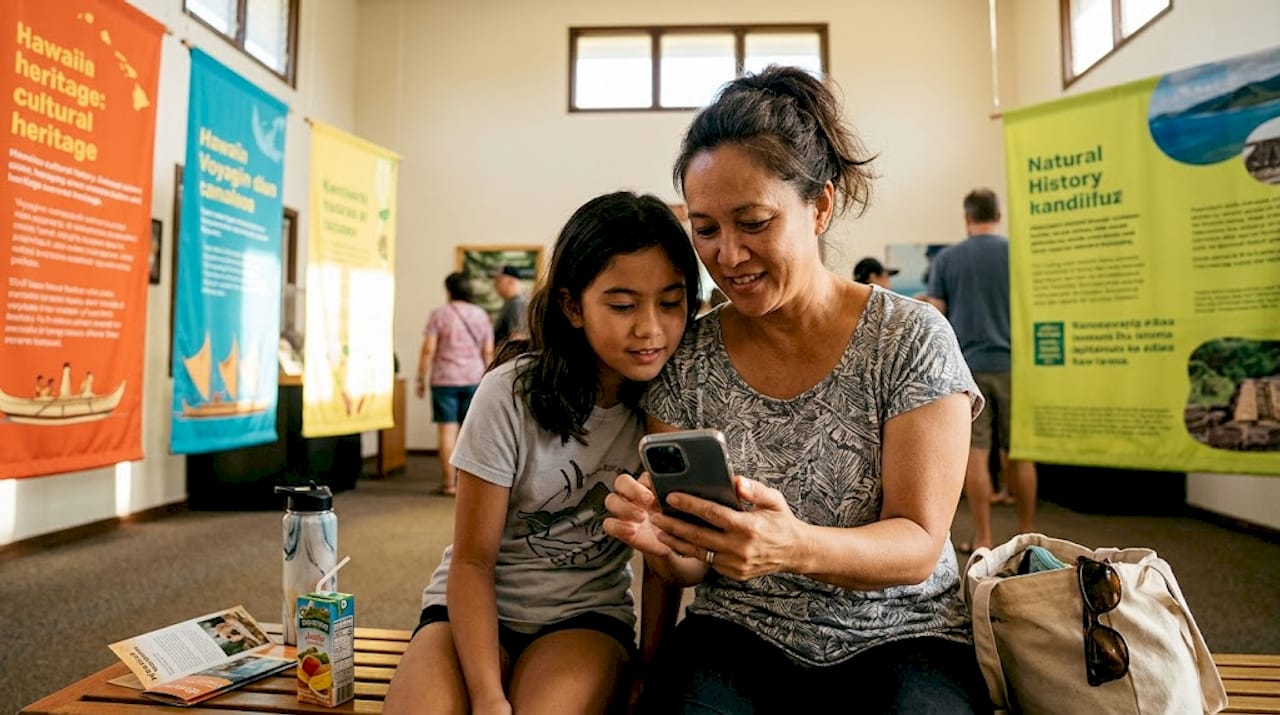
Pro Tip: Look for attractions that lead with AR and travel tech as a tool for education, not a flashy distraction. If the technology deepens your understanding of the culture, it’s doing its job well.
When families choose experiences designed for deeper cultural connection with tech, the results are powerful. Kids remember what they feel, not just what they hear.
Cultural immersion: Why authentic experiences matter for families
Once you recognize the power of immersive methods, it’s crucial to consider the authenticity behind these experiences.
Not every “cultural experience” is created equal. Some attractions reduce a rich, living culture to a performance designed purely for tourist consumption. This is called cultural commodification, and it’s more common than most travelers realize. A lei greeting at a hotel lobby and a hula show packaged into a dinner buffet aren’t inherently wrong, but they rarely leave families with real understanding.
True cultural immersion looks and feels different. It involves Native voices, real histories, and genuine exchange. Native-led initiatives and visitor education are what experts point to when identifying experiences that mitigate commodification risks and create genuine connection.
“When visitors are invited into a story rather than just shown it, the experience becomes something that changes how they see the world.” 🌌
Here’s how to tell authentic experiences from commercialized ones:
Signs of authentic educational tourism:
- Led or co-created by Native Hawaiian community members
- Focuses on education alongside entertainment
- Acknowledges difficult or complex histories honestly
- Proceeds support local families and cultural preservation
- Encourages questions and genuine dialogue
Signs of commercialized tourism:
- Performed by hired entertainers with no cultural connection
- Designed primarily to generate photo opportunities
- Avoids nuance or historical complexity
- Proceeds leave the community
- No opportunity for meaningful interaction
The impact of cultural attractions is strongest when families feel welcomed as learners rather than spectators. That’s a meaningful distinction worth seeking out.
Pro Tip: Before booking, research the leadership and stated mission of any attraction or tour. Ask yourself: Who tells this story? Who benefits? If those answers point back to the community, you’re in the right place.
Families who seek deeper travel experiences through authentic cultural engagement consistently report that those moments become the most treasured memories of any trip.
Regenerative travel: The future of educational tourism in Hawaii
With an understanding of what makes immersion meaningful, it’s vital to look at how Hawaii is evolving educational tourism for lasting value.
Regenerative tourism goes a step beyond sustainable travel. While sustainable tourism tries to minimize harm, regenerative tourism actively restores and improves the communities and ecosystems it touches. In Hawaii, this is becoming not just an ideal but a practical framework for the future.
Hawaii’s tourism industry has long faced a tension. Visitor numbers drive economic activity, but high-volume, low-engagement tourism can strain local infrastructure, dilute cultural integrity, and create resentment. Regenerative models over volume-driven tourism offer a path forward that benefits everyone, including the families doing the visiting.
Remember that statistic? 85% deeper visitor connections come from immersive, educational experiences. That’s not just good for travelers. It’s good for the islands. Engaged visitors spend more thoughtfully, treat environments respectfully, and advocate for preservation long after they return home.
Here’s how your family can support regenerative travel in Hawaii:
- Choose locally owned experiences over large corporate tour operators.
- Seek out Native Hawaiian guides and attractions with community-rooted missions.
- Spend money intentionally at local restaurants, markets, and artisan shops.
- Follow cultural protocols including asking permission before photographing sacred sites.
- Share your experience thoughtfully on social media by crediting Native voices.
Positive outcomes when families travel regeneratively:
- Local culture is preserved and celebrated, not diluted
- Economic benefits stay within Hawaiian communities
- Children return home with genuine cross-cultural awareness
- Visitors become ambassadors for respectful travel
- The relationship between tourism and local people improves over time
Exploring cultural education in Hawaii through a regenerative lens means your trip becomes part of something bigger. You’re not just a visitor. You’re a contributor.
Our perspective: What most travel guides miss about educational tourism
After exploring practical tips and benefits, let’s take a step back and reflect on what truly unlocks transformation in educational travel.
Most families approach a Hawaii trip as either pure relaxation or pure adventure. Both are valid. But somewhere between the snorkeling excursion and the sunset cocktail cruise, there’s a profound opportunity that most travel guides completely skip over: the chance to be genuinely changed by a place.
Immersive, story-driven travel creates memories that don’t just sit in a photo album. They shape how your kids think about identity, history, and belonging. They give you dinner table conversations that last for years. That’s not something you can get from a highlights reel.
We believe immersive Hawaii experiences are most powerful when families shift from passive visitors to curious participants. The real magic happens when you stop watching Hawaiian culture and start listening to it. When the stories of the land, the legends of the ocean, and the wisdom of Native voices land not just in your ears but in your heart. That’s the transformation most travel guides miss. And it’s exactly what Hawaii has to offer. 🌺
Experience immersive educational tourism with Flight of Aloha
Ready to explore the best of Hawaii’s educational tourism for your family?
If you’re looking for a starting point that brings together authentic storytelling, breathtaking visuals, and cutting-edge sensory technology, Flight of Aloha is unlike anything you’ve experienced before. Think of it as what you’d get if a helicopter tour and a Disney ride had a baby, rooted deeply in aloha. Located in Kailua-Kona, this immersive flying theater uses 8K visuals, motion effects, wind, and scent to take families soaring over Hawaii’s most stunning landscapes while sharing the legends that give those places their soul.

From the story of Naupaka to the spirit of Lahaina, every experience at Flight of Aloha is crafted to create genuine connection between your family and these islands. Book your experience today and discover educational tourism at its most unforgettable.
Frequently asked questions
How can families ensure an educational tourism experience in Hawaii is authentic?
Look for tours or attractions led by Native Hawaiian organizations and focused on education, not just entertainment. Native-led visitor education is the clearest signal that an experience respects and reflects real Hawaiian traditions.
What are examples of interactive educational attractions for families in Hawaii?
Interactive storytelling rides, AR-enhanced cultural exhibits, and hands-on workshops all connect families with Hawaii’s traditions in meaningful ways. Blending tradition with tech in sensory storytelling environments is what creates truly memorable learning.
Why is regenerative tourism important in Hawaii?
Regenerative tourism supports local communities and preserves cultural heritage, going well beyond simply minimizing negative impacts. It actively restores what high-volume travel can erode, including community trust, cultural integrity, and environmental health. Regenerative models are the future of responsible travel in Hawaii.
How does technology enhance educational tourism experiences?
Augmented reality and immersive sensory displays make learning about Hawaii’s culture far more engaging for all ages. When technology serves the story, it creates emotional impact that traditional exhibits simply cannot match.
Recommended
- Technology In Tourism: 85% Deeper Cultural Connection | Flight Of Aloha
- What Are Educational Attractions? The Ultimate Hawaiian Guide | Flight Of Aloha
- Why Cultural Experiences Matter For Hawaii Visitors | Flight Of Aloha
- Why Themed Experiences Win: Deeper Connections For Hawaii Visitors | Flight Of Aloha
- The role of fun in education: Boosting learning outcomes – The World Game