
What are educational attractions? The ultimate Hawaiian guide
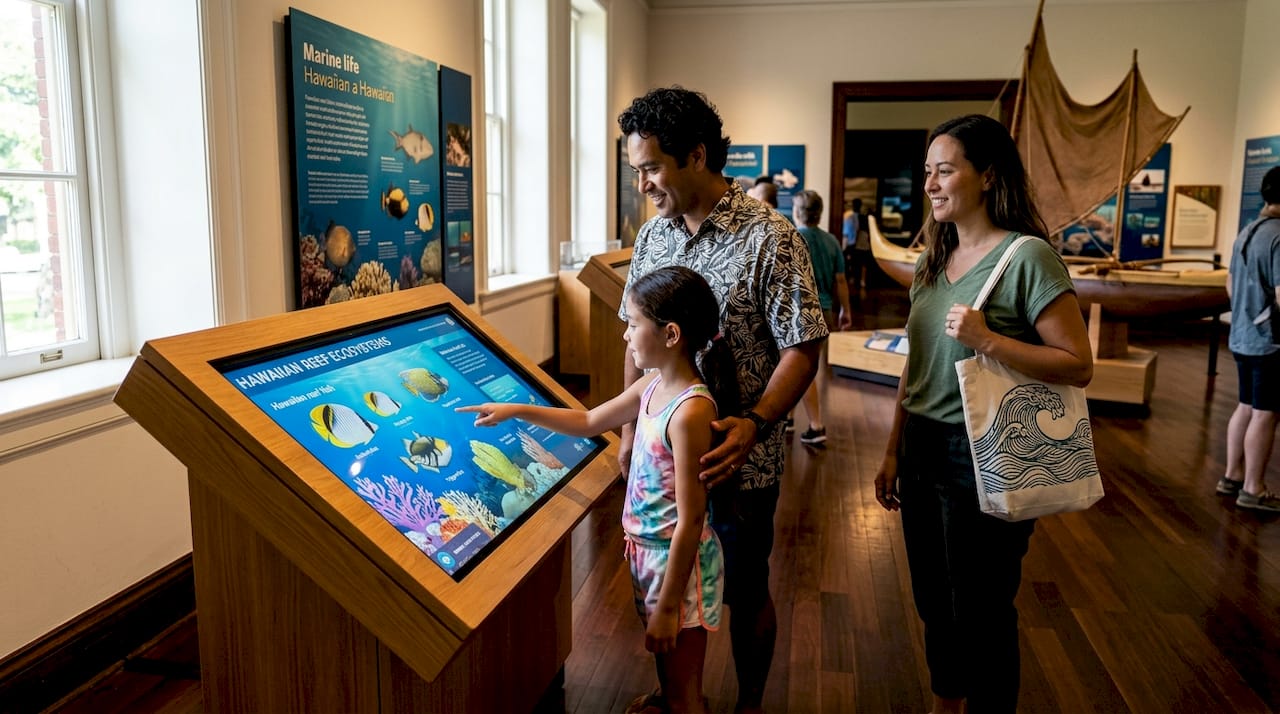
Planning a family trip to Hawai’i is exciting, but finding experiences that genuinely engage kids AND adults can feel tricky. You want more than just a pretty beach. You want moments that spark curiosity, tell real stories, and leave everyone talking on the flight home. That’s exactly where educational attractions shine. 🌺 Whether you’re visiting Kailua-Kona for the first time or you’re a repeat traveler looking to go deeper, this guide covers everything: what makes an attraction truly educational, the best options in Hawai’i, how to compare them, and tips to make every visit count.
Table of Contents
- What makes an attraction educational?
- Top educational attractions in Hawaii for families
- Comparing educational attractions: Experiences, learning styles, and more
- Tips for making the most of educational attractions in Hawaii
- Why educational attractions are more valuable than ever for families
- Discover your next Hawaiian adventure
- Frequently asked questions
Key Takeaways
| Point | Details |
|---|---|
| Definition matters | Educational attractions combine fun, immersive activities with meaningful learning for all ages. |
| Hawaii’s unique offerings | Families can experience hands-on cultural and historical lessons at Hawaiian attractions. |
| Compare to choose | Match attraction types—such as museums or cultural centers—to your family’s interests and learning style. |
| Maximize your experience | Prepare ahead, get involved, and focus on interactive opportunities for deeper learning and family bonding. |
What makes an attraction educational?
Not every attraction with a sign or a tour guide qualifies as truly educational. The best ones are intentional. They’re designed from the ground up to teach, inspire, and connect visitors to something real. Educational attractions blend fun and learning by engaging visitors with activities, stories, or demonstrations, and that’s the key difference from passive sightseeing.
Here’s what separates a genuinely educational attraction from a regular tourist stop:
- Interactive exhibits that let visitors touch, try, or participate rather than just observe
- Cultural workshops led by local experts who share firsthand knowledge and traditions
- Nature trails with educational signage that explain ecosystems, native plants, or geological history
- Behind-the-scenes tours that reveal how things work, from marine habitats to traditional crafts
- Live demonstrations such as hula performances, traditional fishing techniques, or Hawaiian chant
- Story-driven presentations that connect history, legend, and place into a single narrative
Educational value isn’t limited to history class topics. It can span Hawaiian culture, ocean science, native language, volcanic geology, or the performing arts. The range is wide, and that’s a good thing for families with kids who have very different interests.
Exploring edutainment in Hawaii shows just how powerfully local culture can be woven into entertainment. When learning feels like play, kids absorb information faster and remember it longer. That’s the magic.
Pro Tip: Look for venues that offer staff-led activities or live presentations. These personal interactions often deliver the most memorable learning moments and give kids a chance to ask real questions.
For a broader overview of what qualifies as enriching family entertainment, the family entertainment guide is a great starting point before you book anything.
Top educational attractions in Hawaii for families
Immersive storytelling and cultural education are central to Hawai’i’s top family attractions, and the islands offer a remarkable variety of them. Here are seven standout options worth putting on your list:
- Polynesian Cultural Center (O’ahu) — Explore six living villages representing different Pacific Island cultures. Ideal for ages 6 and up. Hands-on activities include canoe rides, fire-making, and traditional weaving.
- Bishop Museum (O’ahu) — Hawai’i’s largest natural and cultural history museum. Excellent for curious kids ages 8 and up. Features Hawaiian artifacts, a science adventure center, and planetarium shows.
- Sea Life Park (O’ahu) — Marine education meets family fun. Kids can learn about Hawaiian sea turtles, dolphins, and reef ecosystems through up-close animal encounters.
- Maui Ocean Center — One of the finest aquariums in the Pacific. Stunning exhibits on Hawaiian marine life, coral reef conservation, and ocean science. Great for all ages.
- Hawai’i Volcanoes National Park (Big Island) — Walk across lava fields and explore lava tubes while learning about volcanic geology and native Hawaiian beliefs tied to Pele. Unforgettable for older kids and adults.
- Flight of Aloha (Kailua-Kona, Big Island) — An immersive flying theater experience that blends 8K visuals, motion, wind, and scent to take you soaring over Hawai’i’s most breathtaking landscapes. Cultural storytelling rooted in Hawaiian legends makes this one genuinely educational AND thrilling.
- Waimea Valley (O’ahu) — A botanical garden and cultural heritage site with guided nature walks, ancient Hawaiian archaeological sites, and a stunning waterfall at the end of the trail.
“The most powerful thing an attraction can do is make a child feel like they belong to a story bigger than themselves. Hawaiian culture does that beautifully.”
When choosing, think about your children’s ages and comfort levels. Younger kids often thrive with hands-on, sensory-rich experiences. Older kids and teens tend to engage more deeply with story-driven or science-focused formats. The cultural experiences in Hawaii available across the islands truly cover every learning style and age group.
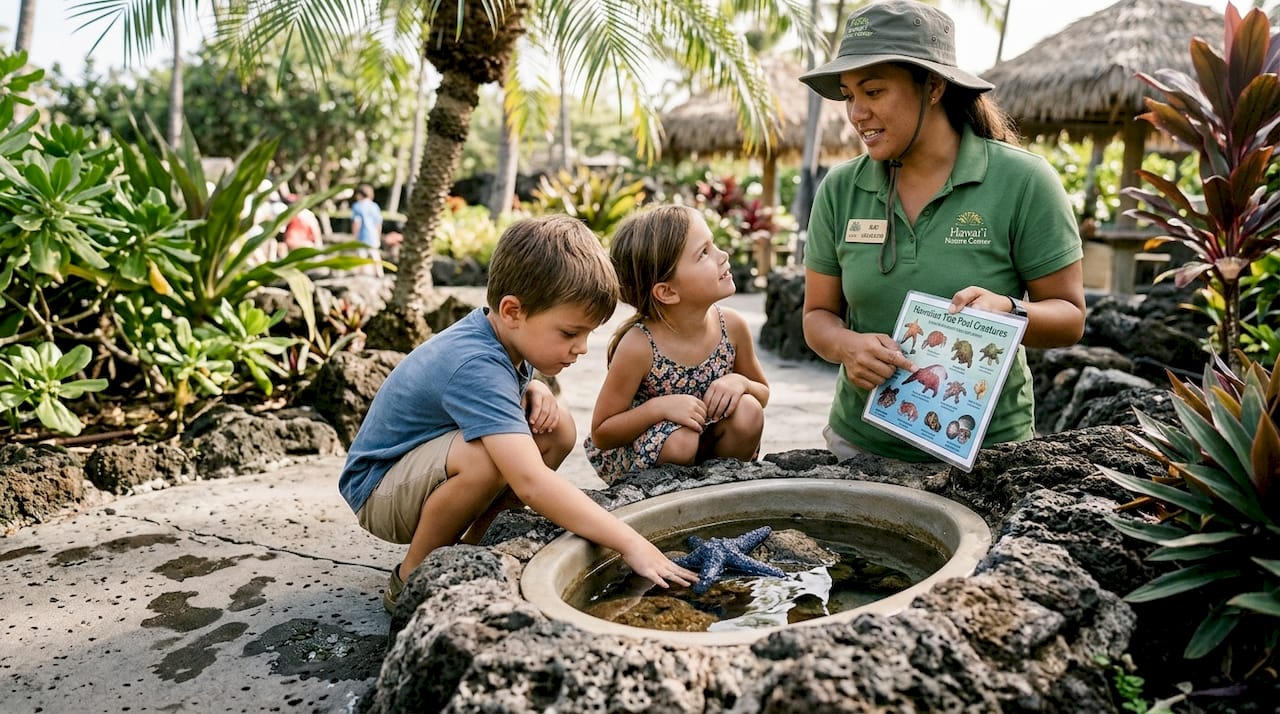
For a fuller breakdown of what’s available across the islands, the family-friendly attractions guide offers detailed recommendations.
Comparing educational attractions: Experiences, learning styles, and more
Once you know your options, the next step is figuring out which ones fit your family best. Immersive attractions influence family travel choices and leave lasting impact, so it’s worth taking a few minutes to compare before you commit.
Here’s a side-by-side comparison to help you decide:
| Attraction type | Indoor/outdoor | Best ages | Hands-on level | Cultural depth |
|---|---|---|---|---|
| Museum | Indoor | 8+ | Moderate | High |
| Nature park | Outdoor | All ages | High | Moderate |
| Cultural center | Both | 6+ | High | Very high |
| Flying theater | Indoor | 4+ | Immersive | High |
| Aquarium | Indoor | All ages | Moderate | Moderate |
| Living history site | Outdoor | 10+ | Moderate | Very high |
Learning by doing vs. passive observation is one of the biggest factors to consider. Hands-on attractions like cultural centers and nature parks tend to create stronger memories because kids are active participants. Museums and theaters can be equally powerful when the storytelling is strong, but they work better for kids who enjoy absorbing information visually.
Here’s a quick checklist to match the right attraction to your family:
- Toddlers and young children: Look for sensory-rich, short-format experiences with movement
- School-age kids: Prioritize interactive exhibits, guided tours, and live demonstrations
- Teens: Seek out deeper cultural or scientific narratives, behind-the-scenes access, or immersive tech
- Mixed-age groups: Choose attractions with varied activity zones so everyone finds their entry point
📊 Families consistently rate educational attractions as among the most memorable parts of their trips, with immersive and story-driven experiences ranking highest for repeat visits.
Understanding the impact of immersive attractions on travel satisfaction helps explain why so many families return to Hawai’i specifically for its cultural depth. And if you’re still weighing your options, why family attractions matter offers more context on what makes these experiences so valuable.
Tips for making the most of educational attractions in Hawaii
Interactive and immersive experiences reinforce learning and family bonding in ways that passive tourism simply can’t match. But even the best attraction delivers more when you go in prepared. Here’s how to make every visit count:
- Research before you go. Visit the attraction’s website, read about the cultural context, and look up any Hawaiian legends or history connected to the place. Arriving with background knowledge makes everything richer.
- Book interactive tours in advance. Many of Hawai’i’s best educational experiences, like guided cultural workshops or behind-the-scenes tours, have limited spots. Reserving early ensures your family gets the full experience.
- Let kids help plan. Ask your children what they’re most curious about before the trip. When kids feel ownership over the itinerary, their engagement at the attraction goes way up.
- Discuss what you hope to learn. Set a simple intention before each visit. It could be as easy as, “Today we’re going to learn one thing about Hawaiian ocean life.” That small frame makes the experience more focused.
- Connect the visit to Hawaiian history or language. After the attraction, look up a Hawaiian word you heard, explore the legend behind a place name, or find a book about what you experienced. This extends the learning well beyond the visit itself.
Pro Tip: Arrive early. Morning visits at most Hawaiian educational attractions mean smaller crowds, cooler temperatures, and more personal time with staff and guides. You’ll get answers to questions that a packed afternoon crowd simply doesn’t allow for.
The role of family-friendly attractions in shaping meaningful travel is well established, and the families who get the most out of these experiences are the ones who stay curious and engaged throughout. For even more inspiration, exploring why families choose attractions reveals the emotional and educational drivers behind the most memorable trips.
Why educational attractions are more valuable than ever for families
Here’s something worth saying out loud: the idea that “educational” means boring is completely outdated. 🌌
We’ve seen it firsthand. The families who walk away most energized from a trip to Hawai’i aren’t the ones who spent every day at the resort pool. They’re the ones who soared over a waterfall, heard a Hawaiian legend told by someone who grew up with it, or watched their child’s eyes go wide at a lava field. Those are the moments that stick.
Hawai’i is one of the rare places in the world where culture, nature, and adventure are genuinely inseparable. The islands’ cultural entertainment insights show that the most engaging experiences here aren’t just fun. They carry real meaning, rooted in traditions that have been passed down for generations.
The contrarian truth? The most “fun” attractions are almost always the ones that teach you something unexpected. A flying theater that tells the story of Naupaka. A lava trail that connects geology to legend. A cultural village where your kid learns to weave. These aren’t school trips. They’re the kind of experiences families talk about for years.
Seek out story-driven, immersive activities that go beyond the usual tourist checklist. Your family will thank you.
Discover your next Hawaiian adventure
If this guide has sparked some excitement, you’re ready to start planning something truly special. 🌺 Hawai’i’s educational attractions offer so much more than sightseeing. They offer connection, wonder, and stories that travel home with you.

Start with a visit to Flight of Aloha adventures in Kailua-Kona for an experience that blends breathtaking 8K visuals, motion, scent, and Hawaiian cultural storytelling into something your whole family will remember. Think of it as what you’d get if a helicopter tour and a Disney ride had a baby, rooted in aloha. For more curated ideas across the islands, the family attractions guide is your go-to resource for planning an unforgettable trip.
Frequently asked questions
What is considered an educational attraction?
An educational attraction is a place or experience designed to teach visitors by blending activities, demonstrations, or storytelling with fun and engagement. Educational attractions blend fun and learning through stories and hands-on participation, making them distinct from passive sightseeing.
Are educational attractions suitable for all ages?
Most educational attractions offer activities tailored to different age groups, making them ideal for families with children of all ages. Family-friendly attractions often include hands-on and age-appropriate educational opportunities that keep everyone engaged.
How do I choose the best educational attraction for my family?
Consider your family’s interests, children’s ages, and preferred learning styles, then look for attractions with interactive elements and cultural experiences. Families should match attraction features to children’s interests for the best educational value.
Why visit educational attractions in Hawaii?
Hawai’i’s educational attractions offer unique cultural storytelling and immersive experiences you genuinely can’t find anywhere else. Immersive storytelling and cultural education are central to Hawai’i’s top family attractions, making every visit feel meaningful and memorable.