
How family bonding transforms Hawaiian tourism experiences
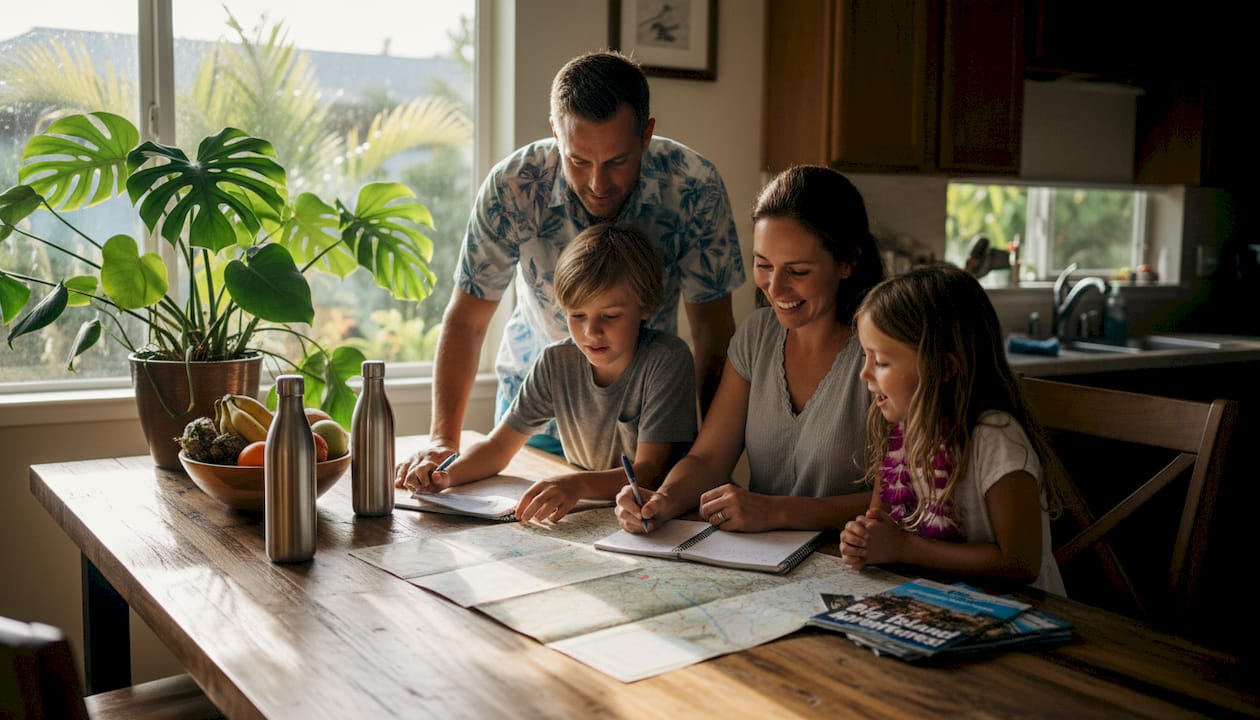
TL;DR:
- Intentional shared activities and cultural experiences foster deeper family bonds during Hawaii trips.
- Active participation and immersive activities create lasting memories and emotional closeness.
- Involving family members in planning and engaging with Hawaiian traditions enhances connection.
Most families assume that booking a trip to Hawaii is enough to bring everyone closer. You picture the sunsets, the beaches, the matching aloha shirts. But here’s the thing: a vacation doesn’t automatically create connection. Research shows that bonding during travel requires intentional, shared activities, not just shared geography. Families who build their Hawaii trips around immersive cultural experiences and authentic storytelling walk away with something far more valuable than photos. They walk away with memories that reshape how they see each other. This guide shows you exactly how to make that happen. 🌺
Table of Contents
- Defining family bonding in tourism
- Why shared experiences strengthen family ties
- The importance of decision-making and roles within families
- How storytelling and local culture enhance connection
- Practical tips for planning a bonding-focused family trip to Hawaii
- Our take: Why families deserve more from tourism
- Plan your Hawaiian family adventure with Flight of Aloha
- Frequently asked questions
Key Takeaways
| Point | Details |
|---|---|
| Meaningful activities matter | Family bonding in tourism thrives on shared, immersive, and interactive experiences—not just being together. |
| Inclusive decision-making | Letting each family member influence trip planning leads to stronger, more genuine connections. |
| Culture and storytelling | Embracing local traditions and storytelling deepens family relationships and memory-making. |
| Hawaiian trips require intention | Carefully planning your activities with bonding in mind makes a Hawaiian vacation truly memorable for the whole family. |
Defining family bonding in tourism
Family bonding in tourism isn’t just about spending time together. It’s about emotional connectedness, shared discoveries, and the conversations that happen when you’re fully present with the people you love. In the tourism context, bonding refers to the deep sense of closeness families build when they participate in meaningful activities side by side.
Passive sightseeing, though enjoyable, rarely creates those deep impressions. Riding a bus past a landmark is very different from standing inside a living cultural story together. The difference is participation.
Research confirms this. Structured family travel activities increase both bonding and memory formation during trips, especially when families repeat meaningful activities across their vacation. That’s not just feel-good advice; it’s backed by communication research focused on family travel.
Here’s what genuine family bonding in tourism looks like:
- Emotional connection: Feeling genuinely moved by something you experience together
- Active communication: Talking, laughing, and reflecting as a group during and after activities
- Shared memory creation: Building stories you’ll still tell five years from now
- Cultural curiosity: Learning something new about a place and its people as a family unit
Hawaii offers something rare. The islands carry living traditions, legends, and a spirit of aloha that invites families into something bigger than themselves. When you tap into that, through cultural experiences, storytelling, and hands-on exploration, the bonding potential skyrockets.
Explore the Hawaii family entertainment guide to see what kinds of activities make the biggest difference for families visiting the islands.
Stat to know: Families who engage in structured, repeated shared activities during vacations report significantly higher levels of communication and emotional closeness than those who travel without intentional planning.
Why shared experiences strengthen family ties
Not all vacation activities are created equal. Some bring families closer. Others just fill time. The key difference? Active participation versus passive observation.
Shared family activities, especially unmediated leisure and adventure, boost both memory formation and communication far more than screen-heavy or spectator experiences. Here’s a quick comparison:
| Activity type | Bonding impact | Example |
|---|---|---|
| Passive sightseeing | Low | Bus tour, beach lounging |
| Interactive cultural | High | Hula workshop, storytelling show |
| Adventure and nature | High | Snorkeling, hiking a trail together |
| Screen or device-based | Very low | Resort movie night, video games |
| Immersive entertainment | Very high | Flying theater, cultural performance |
Immersive and interactive activities create what researchers call “peak shared moments.” These are the experiences families reference for years. Think about it: you probably don’t remember what you ate at a tourist restaurant on a family trip, but you definitely remember the time everyone screamed together on a thrilling ride or learned a traditional chant side by side.
Check out the research on immersive attractions for families to understand why this matters so much for travel planning.
Here’s what makes an experience truly bonding-worthy:
- It requires everyone to pay attention at the same time
- It sparks genuine emotion (awe, laughter, curiosity)
- It gives the family something to talk about afterward
- It connects to local culture or history in a meaningful way
For families visiting Hawaii, Hawaiian storytelling experiences hit every one of those marks.
Pro Tip: Designate at least one activity each day that is fully screen-free. No phones, no cameras, just presence. Those moments tend to generate the richest family conversations and the most genuine bonding.
The importance of decision-making and roles within families
Here’s something most families overlook: how you plan your trip matters almost as much as what you do on it. The decision-making process itself is a bonding opportunity.
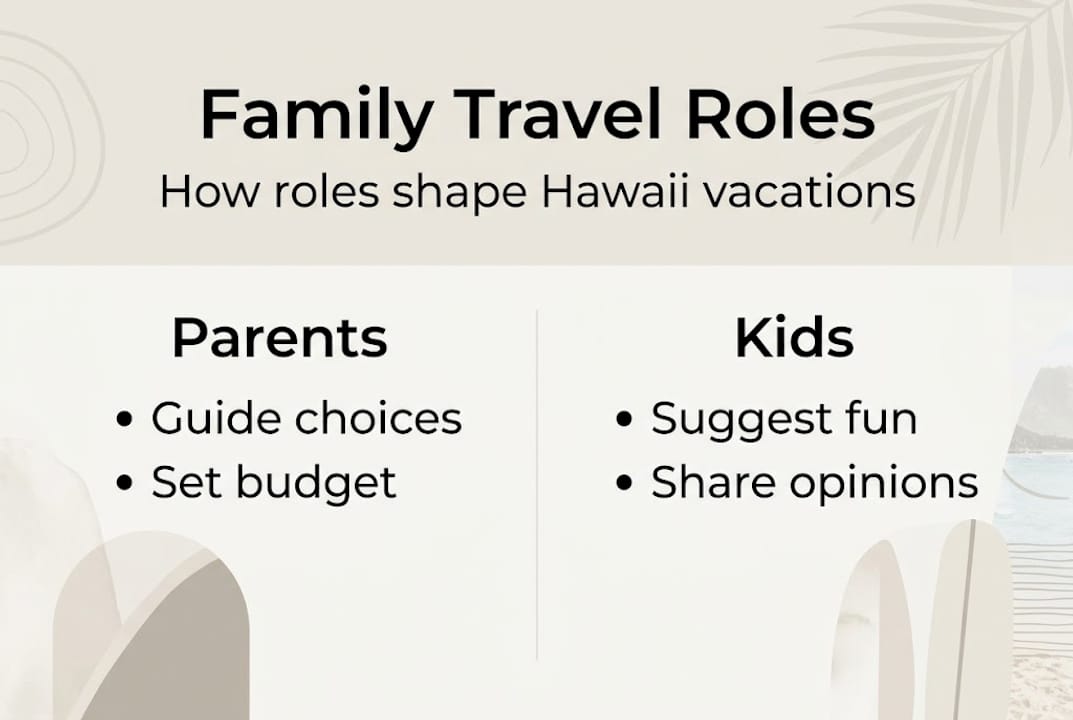
Family members perceive influence over tourism planning very differently depending on their role. Kids often feel left out of decisions that directly affect their experience, while parents assume they know what everyone wants. This gap can quietly set the tone for the entire trip.
Here’s a look at how different family roles typically see trip planning:
| Family role | Primary concern | Common decision style |
|---|---|---|
| Mom/caregiver | Safety, comfort, inclusivity | Collaborative, detail-oriented |
| Dad/co-parent | Value, logistics, adventure | Goal-focused, decisive |
| Child (ages 6-12) | Fun, novelty, fairness | Emotional, in-the-moment |
| Teen | Autonomy, social relevance | Independent, selective |
| Grandparent | Pace, culture, family cohesion | Reflective, tradition-minded |
When everyone feels heard in the planning stage, they arrive in Hawaii already invested in the shared experience. That investment translates directly into stronger connection during the trip itself.
Here’s how to build a balanced family decision process:
- Hold a family meeting before booking anything, even a short one
- Ask each person to name one activity they really want to do
- Discuss overlap and find experiences that serve multiple interests
- Rotate the decision for each day of the trip so everyone leads once
- Set shared expectations about pace, budget, and flexibility before you go
Understanding why family attractions work can also help you identify which experiences are truly designed to welcome every age and personality.
How storytelling and local culture enhance connection
Hawaii isn’t just a destination. It’s a living story. The islands are woven through with legends, traditions, and a deep sense of ohana, which means family in the broadest, most inclusive sense. Tapping into that cultural richness does something extraordinary for visiting families. It gives you a shared language and shared wonder. 🌌
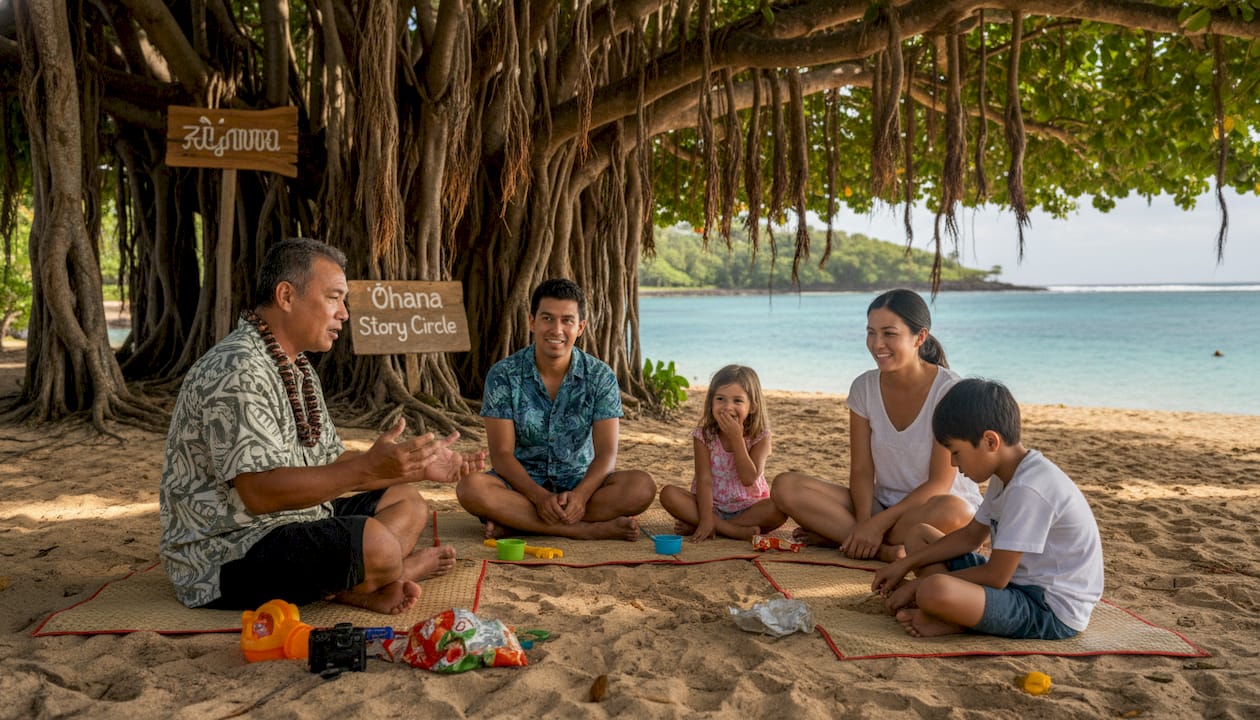
Whole-family cultural storytelling and adventure experiences create some of the most authentic and lasting family bonds of any tourism activity. And Hawaii makes it surprisingly easy to access those experiences.
Here are some powerful ways families can engage with Hawaiian culture and storytelling:
- Attend a hula workshop: Learn the movements and meanings behind each gesture as a family
- Join a history walk: Explore ancient Hawaiian sites with a knowledgeable guide who brings legends to life
- Participate in an ohana circle: Some cultural programs invite families to share their own stories alongside local traditions
- Visit a cultural center: Hands-on programs teach Hawaiian crafts, language, and song in interactive settings
- Experience immersive storytelling: Attractions that blend film, movement, and culture let families step into Hawaiian legends together
Explore resources on Hawaiian cultural storytelling to find the right fit for your family’s interests and ages.
Cultural storytelling works because it invites every family member to be a participant, not a spectator. Even the youngest child can feel the wind, smell the flowers, and wonder at a story told through movement and image.
Pro Tip: After each cultural activity, ask your guide one personal question about their own family traditions. Then invite each of your kids to share a favorite story from your own family history. That simple exchange deepens the experience tenfold. Check out our visitor’s guide to cultural storytelling for more ideas.
Practical tips for planning a bonding-focused family trip to Hawaii
Planning a bonding-focused Hawaii trip doesn’t mean scheduling every hour. It means being intentional about what you choose and leaving room for the unexpected magic. Bonding in family tourism is maximized when activities are structured, repeated, and designed with everyone’s input in mind.
Here’s a step-by-step approach to building your best family trip:
- Start with everyone’s wishlist. Before you look at any itinerary, ask each family member what one experience they’re hoping for. Build from there.
- Anchor each day with one interactive cultural activity. This becomes the shared highlight that the rest of the day flows around.
- Build in unplanned time. Some of the best bonding happens during spontaneous beach walks or roadside fruit stand stops.
- Choose immersive over passive. Pick the activity where your family participates, not just watches. Flying theaters, cultural workshops, and guided storytelling tours all fit this standard beautifully.
- Limit the number of activities per day. Three well-chosen experiences beat six rushed ones every time. Quality over quantity is real.
- End each evening with a storytelling session. Sit together and have each person share their favorite moment from the day. Even a five-minute version of this builds remarkable closeness over a week.
- Capture stories, not just photos. Encourage kids to write or voice-record a quick travel journal entry each night.
For inspiration on building a narrative around your journey, explore story-driven family travel ideas that tie activities together into a meaningful arc for your whole family.
Pro Tip: At the end of your trip, gather everyone and ask: “What’s the one story we’ll always tell about this trip?” The answer almost never involves a resort pool or a flight upgrade. It’s always the shared moment of discovery.
Our take: Why families deserve more from tourism
We’ve seen a lot of family trips. And the most common mistake isn’t choosing the wrong beach or skipping a luau. It’s over-packing the itinerary in the hope that more experiences equal more connection. They don’t.
Real bonding lives in the pauses. It lives in the moment your child grabs your hand during an awe-inspiring experience, or when your teenager actually puts their phone down because something genuinely captured their attention. Those moments can’t be scheduled. But they can be designed for.
“The best souvenir from Hawaii is always the story your family creates together.”
We believe families deserve tourism that respects their time, their relationships, and their desire to leave with something lasting. Slow down. Choose fewer, richer activities. Let each person shape at least one part of the journey. And lean into Hawaiian culture as a guide, because ohana has always been at the heart of these islands.
The families who embrace story-driven tourism consistently report that Hawaii felt different from every other vacation they’ve taken. Because it was. 🌺
Plan your Hawaiian family adventure with Flight of Aloha
If you’re ready to make your family’s Hawaii trip one that truly connects everyone, Flight of Aloha was built for exactly that moment.

Located in Kailua-Kona, Flight of Aloha is an immersive flying theater experience that blends 8K visuals, motion, scent, and wind to carry your family over the breathtaking landscapes of Hawai’i. It’s cultural storytelling you feel in your whole body. Think of it as what happens when a helicopter tour and a Disney ride have a child rooted in aloha. Pair your visit with our Hawaiian cultural immersion resources to build a complete bonding-focused itinerary. Book your family’s experience today and start writing the story you’ll tell for years.
Frequently asked questions
What activities best support family bonding during a Hawaii trip?
Interactive cultural experiences like hula workshops, guided storytelling, and hands-on family adventures offer the strongest bonding opportunities. Structured shared activities during travel consistently increase emotional closeness and communication across all family members.
Do children need to be involved in planning family tours for better bonding?
Yes, including children’s input creates more meaningful shared experiences and boosts overall connection. Research shows that holistic planning approaches that incorporate every family member’s perspective lead to stronger bonding outcomes.
How do Hawaiian traditions make family experiences unique?
Hawaiian traditions like ohana storytelling and cultural rituals promote deep connection and help families co-create lasting memories together. Whole-family cultural experiences rooted in local tradition consistently produce more authentic and memorable bonds than generic tourism activities.
Can quick sightseeing trips create the same family bond as immersive experiences?
No. Research shows that immersive, interactive activities produce stronger and richer family bonds than rushed or passive sightseeing, which tends to leave little emotional impression on family members.
Recommended
- How To Enhance Family Outings For Memorable Hawaiian Adventures | Flight Of Aloha
- Group Tourism: Unique Ways Families Connect In Hawaii | Flight Of Aloha
- Why Themed Experiences Win: Deeper Connections For Hawaii Visitors | Flight Of Aloha
- How Local Legends Transform Hawaii’s Tourism Experience | Flight Of Aloha